2-Pin Quick-Connect Electrical Wire Connectors
Official Store Deal
Expert Analysis Overview
Streamlining Solar Energy Connections: A Review of 2-Pin Quick-Connectors
These 2-pin quick-connect electrical wire connectors are a practical solution for solar energy hobbyists seeking reliable, quick-disconnect power connections in their low-voltage DC systems. The design prioritizes ease of use and reconfigurability, which is paramount for experimental or modular solar setups. This product offers a distinct advantage over more permanent wiring methods, allowing for rapid adjustments and component swaps without extensive re-tooling.Design and Construction for Field Deployment
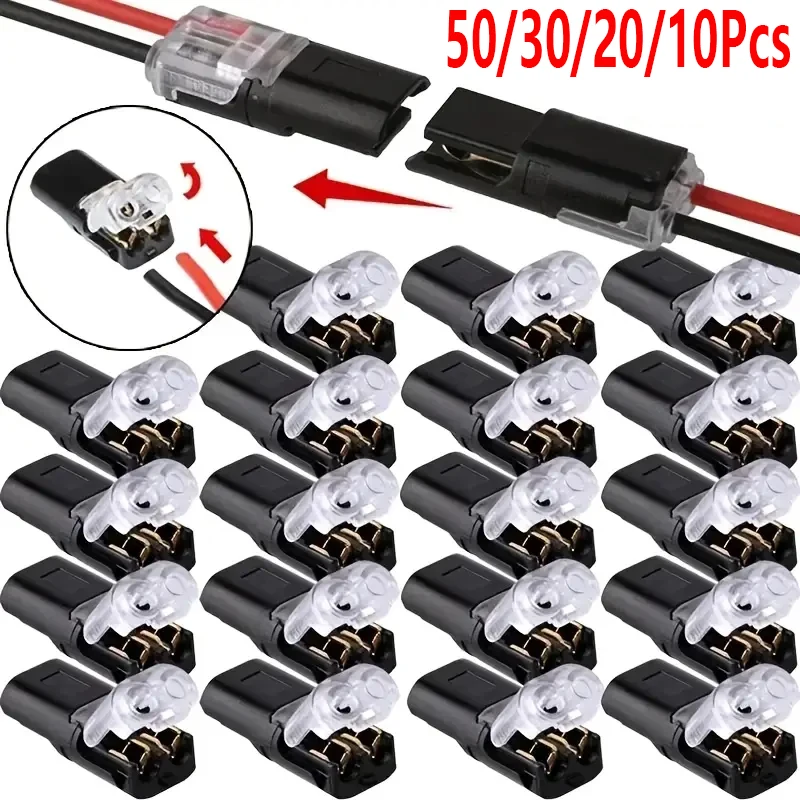
The connectors feature a compact black housing with a clear, hinged locking mechanism. This visual clarity allows for immediate verification of proper wire seating. The transparent cover also provides a quick visual check for any potential corrosion or damage to the internal contacts, a critical aspect for outdoor solar installations where environmental exposure is a constant threat. The body appears to be constructed from a durable plastic, suggesting a degree of resilience against physical stress. This robust construction is essential for components that might be handled frequently during system modifications or troubleshooting.
This design allows for rapid, tool-free wire termination, crucial for field repairs or modular solar panel setups. A simple press-and-clamp action secures the wires. Unlike traditional crimp or solder connections, these offer reusability and speed, reducing installation time significantly. The quick-connect nature minimizes the need for specialized crimping tools or soldering irons, making them accessible even to those with basic electrical knowledge. This accessibility lowers the barrier to entry for new solar enthusiasts.
Compared to standard screw terminals, which can loosen over time due to vibration or temperature fluctuations, these quick-connects offer a more secure, vibration-resistant latching mechanism. This enhanced stability helps maintain consistent electrical contact, preventing intermittent power loss or efficiency drops in a solar array. The integrated locking tab ensures the connection remains intact, even in dynamic environments like mobile solar generators or RV installations. It is a simple, effective solution.
Electrical Compatibility and Efficiency Considerations
The connectors are specified for 22-20 AWG (American Wire Gauge) solid and strand wires, with an ID range of 0.025-0.04 inches and an OD range of 0.062-0.08 inches. This specification is crucial for understanding the current carrying capacity and voltage drop characteristics. For solar applications, particularly in low-voltage DC circuits, selecting the correct wire gauge is vital to minimize resistive losses and maintain system efficiency. Using an undersized wire can lead to significant energy waste, especially over longer runs.
This wire gauge range makes them suitable for a variety of low-power solar applications, such as connecting small solar panels to charge controllers, wiring LED lighting in off-grid cabins, or integrating monitoring sensors into a solar system. They are ideal for applications where current draw is relatively low, typically under a few amperes. Verifying the current requirements of each component is essential. This ensures optimal performance without overheating.
Unlike heavier gauge connectors designed for main power runs, these are optimized for signal or auxiliary power lines within a solar setup. Standard solar panel connections often use MC4 connectors for higher power, but for internal wiring of smaller components or accessories, these 2-pin connectors provide a convenient alternative. They bridge the gap between permanent wiring and temporary test leads, offering a semi-permanent, yet easily modifiable, connection point. This flexibility is a key differentiator.
Installation Simplicity and System Modularity
The installation process is straightforward, involving four steps: aligning polarity, inserting the cable, pressing and clamping, and then securing the other end. This intuitive method significantly reduces the chance of wiring errors, a common pitfall in DIY electrical projects. Correct polarity is critical for DC circuits, especially when connecting sensitive electronics like charge controllers or battery management systems. The visual guide simplifies this process.
This ease of installation directly contributes to system modularity. Solar hobbyists can quickly add, remove, or reconfigure components without needing to strip and re-crimp wires repeatedly. Imagine expanding a small portable solar setup for a camping trip; these connectors make it a quick task. The ability to rapidly swap out components for testing or upgrades saves considerable time and effort. It promotes experimentation.
Compared to traditional terminal blocks that require screwdrivers and can be cumbersome in tight spaces, these compact connectors offer a streamlined approach. Their small footprint allows for denser wiring configurations, which is beneficial in confined enclosures like battery boxes or control panels. This space efficiency is a subtle but important advantage for custom solar builds. It enhances overall system aesthetics and organization.
Durability and Environmental Considerations
While the connectors appear robust for indoor or protected environments, their suitability for direct outdoor exposure without additional protection warrants consideration. The clear plastic locking tab, while offering visual confirmation, might be susceptible to UV degradation over extended periods in direct sunlight. For permanent outdoor installations, enclosing these connectors in a weatherproof junction box or applying marine-grade heat shrink tubing would be a prudent measure. This proactive approach ensures longevity.
The internal copper alloy contacts offer good conductivity and corrosion resistance under normal operating conditions. However, in high-humidity or salt-spray environments, even copper can oxidize over time, leading to increased resistance and potential connection failure. Regular inspection and, if necessary, the application of dielectric grease can mitigate these issues. Proper maintenance extends component life.
Unlike fully sealed, IP-rated connectors, these are designed for general-purpose electrical connections. For critical solar applications exposed to harsh weather, a higher level of ingress protection (IP rating) would typically be preferred. However, for internal wiring within an enclosure or for temporary outdoor use, these connectors provide sufficient protection. Their value lies in their convenience and flexibility for less demanding environmental conditions. They are not meant for submersion.
Value Proposition for the Solar Hobbyist
At a price point of approximately $4.27 for a pack, these connectors offer exceptional value, especially when purchased in larger quantities (10/20/30/50 pieces). The cost-effectiveness allows hobbyists to stock up, ensuring they have connectors readily available for various projects without incurring significant expense. This bulk purchasing option reduces the per-unit cost, making them an economical choice for frequent use. It is an intelligent investment.
This low cost per unit, combined with their reusability, translates into long-term savings. Instead of cutting and discarding wires, connections can be easily undone and redone, preserving wire length and reducing material waste. For those experimenting with different solar panel configurations or battery setups, this flexibility is invaluable. It supports iterative design and testing.
These connectors empower the solar energy hobbyist to build, modify, and maintain self-sustaining energy systems with greater ease and efficiency. They directly address the need for quick, reliable, and reconfigurable connections in low-voltage DC circuits, enhancing the overall experience of developing off-grid solutions. Imagine the satisfaction of quickly assembling a portable power station for a weekend trip, knowing every connection is secure and easily adjustable. This product simplifies the journey from concept to functional solar power. The modularity they provide allows for easy troubleshooting and upgrades, ensuring your solar projects remain adaptable and efficient over time. This adaptability is key for evolving energy needs.