A2-70 Stainless Steel Flat Countersunk Phillips Screws
Official Store Deal
Expert Analysis Overview
The Foundation of Enduring Fastening
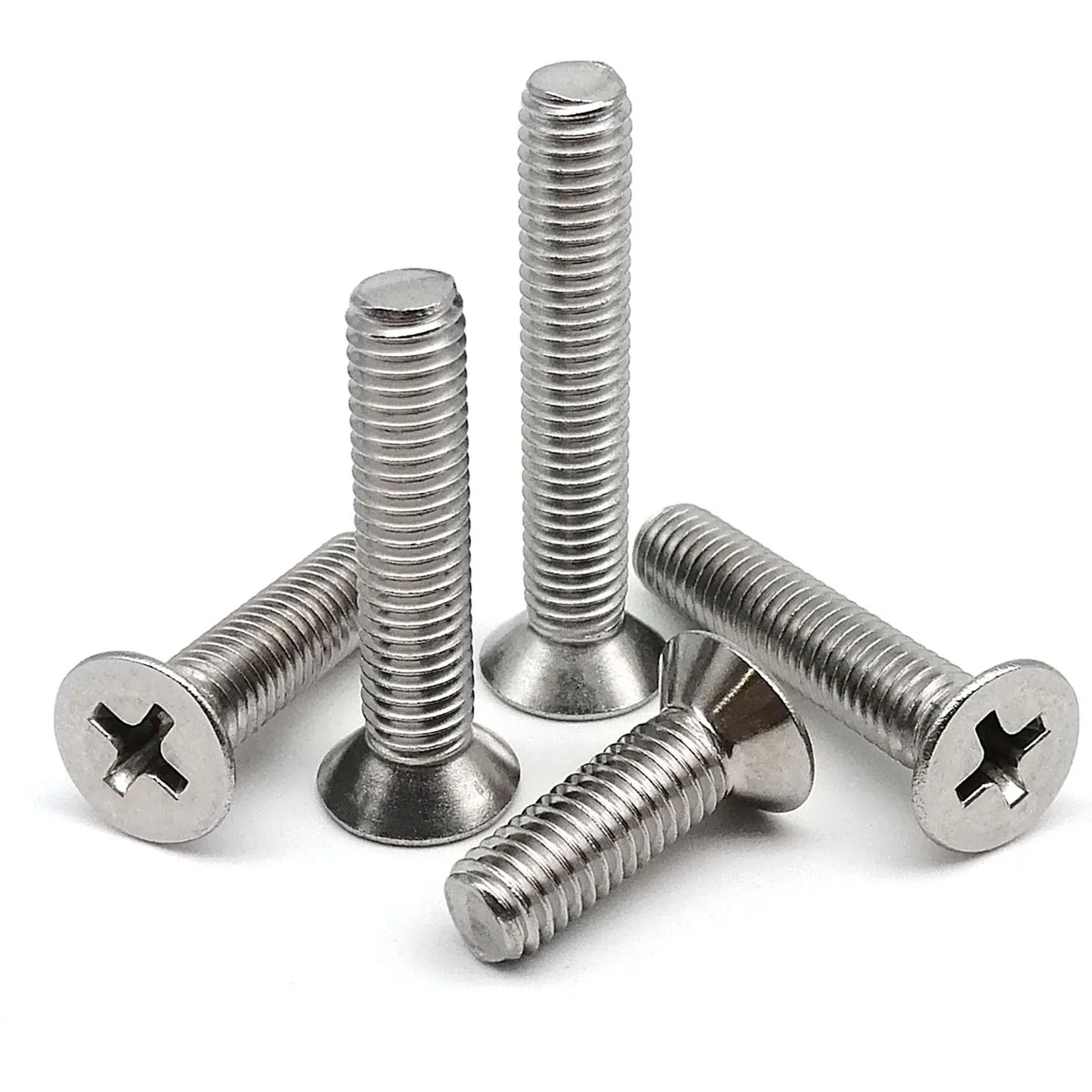
The A2-70 Stainless Steel Flat Countersunk Phillips Screws represent a critical component for demanding fastening applications. These fasteners are engineered for precision and longevity. Their robust construction targets professionals and discerning DIY enthusiasts who prioritize material integrity and a clean finish in their projects. This hardware offers a significant upgrade over standard plated steel options, ensuring superior performance where it counts.
Material Integrity: The Core of Durability
These screws are crafted from 304 A2-70 stainless steel. This material choice is paramount.
304 stainless steel, also known as A2 stainless steel, is an austenitic steel renowned for its excellent corrosion resistance. It resists rust, oxidation, and staining in most atmospheric environments, as well as many corrosive media. The "A2-70" designation further specifies its mechanical properties: 'A2' denotes the grade of stainless steel (304), and '70' indicates a minimum tensile strength of 700 MPa (megapascals). This is a strong material.
For a cabinet maker, this means fasteners that will not degrade over time, even in moisture-prone areas like kitchens or bathrooms. Unlike zinc-plated or black-oxide coated screws that can chip, scratch, and eventually expose the underlying steel to corrosion, these stainless steel screws offer inherent resistance throughout their entire structure. The consistent material composition ensures that the screw's integrity is maintained even if the surface is scratched during installation or use. This inherent durability provides peace of mind for long-term installations, preventing unsightly rust streaks or structural compromises that can occur with lesser materials.
Achieving a Flush Finish: Design for Aesthetics
The flat countersunk head design is a deliberate choice for applications requiring a smooth, flush surface. This design allows the screw head to sit level with or slightly below the surface of the material it is fastening. It creates a clean aesthetic.
For woodworking and cabinetry, a flush finish is often non-negotiable. Protruding screw heads can snag clothing, create uneven surfaces for subsequent layers (like veneers or laminates), or simply detract from the overall appearance of a finished piece. The 90-degree countersink angle is standard, ensuring compatibility with commonly available countersink bits. This precision in head geometry means less material removal is needed to achieve a perfect fit, preserving the strength of the surrounding wood or panel. The result is a professional, seamless look that elevates the quality of any project.
Installation Efficiency: The Phillips Drive Advantage
Equipped with a cross recessed Phillips drive, these screws facilitate straightforward installation. The Phillips drive system is ubiquitous.
This drive type is characterized by its cruciform recess, designed to cam out when a certain torque is reached, historically to prevent over-tightening. While modern power tools with clutch settings mitigate this, the Phillips head remains incredibly common and compatible with virtually all standard screwdrivers and power drill bits. Its widespread availability simplifies tool selection for installers, reducing the need for specialized bits. This ease of engagement and commonality reduces installation time and frustration, particularly when working on projects with numerous fasteners. A reliable drive ensures consistent torque transfer.
Sizing and Standardization: Versatility in Application
Available in M3, M4, M5, and M6 diameters, these screws cater to a broad spectrum of fastening requirements. The "M" designation refers to metric sizing, indicating the nominal diameter of the screw thread. The range covers light to moderately heavy-duty applications.
Metric fasteners are standard in many industries globally, ensuring compatibility with a vast array of pre-drilled components and tapped holes. For example, M3 screws are often used for attaching hardware like hinges or drawer slides to cabinet fronts, while M6 screws might be employed for securing larger structural elements or mounting heavy-duty brackets. Adherence to the GB819 standard further guarantees dimensional consistency and quality, ensuring that each screw meets specific manufacturing tolerances. This standardization is crucial for project reliability, as it means fasteners from different batches or suppliers will consistently fit and perform as expected. This consistency is essential for repeatable results.
Value Proposition: Investing in Longevity
The initial price point for stainless steel fasteners might be slightly higher than that of basic plated steel screws. However, the long-term value is undeniable. These fasteners offer superior return on investment.
Consider the cost of rework, repairs, or premature failure due to corrosion or material fatigue. In environments where moisture, chemicals, or outdoor exposure are factors, the additional cost of stainless steel is quickly offset by its extended service life and reduced maintenance. For a cabinet maker, using these screws means fewer callbacks for rusted hardware, greater client satisfaction, and a reputation for quality craftsmanship. The ability to install and forget, knowing the fasteners will outlast the project itself, is a significant benefit. This durability translates directly into savings over the lifespan of any installed piece. It is an investment in enduring quality.
Application Context: The Cabinet Maker's Choice
As a cabinet maker, the selection of fasteners is as critical as the choice of wood or joinery technique. These specific screws excel in applications where both structural integrity and aesthetic finish are paramount. They are ideal for securing cabinet backs, mounting internal shelving components, attaching decorative trim, or even for light-duty outdoor furniture where corrosion resistance is key. The countersunk head ensures that the screws disappear into the material, allowing for a smooth surface that can be painted, stained, or left natural without visible hardware protrusions. Their stainless steel composition means they will not react with certain wood tannins, which can cause discoloration around ferrous fasteners. This prevents staining.
Imagine completing a custom kitchen cabinet installation, knowing that every fastener used is designed to withstand the rigors of daily use and environmental exposure without compromise. The flush finish of each screw head contributes to the overall clean lines and sophisticated appearance of the cabinetry. These screws ensure that the internal hardware will remain secure and free from corrosion, maintaining the structural integrity of the piece for decades. This allows the craftsman to confidently deliver a product that is not only beautiful but also built to last, reflecting a commitment to quality in every detail.