Bendable Silicone Water Retaining Barrier
Official Store Deal
Expert Analysis Overview
Engineered Containment: The Bendable Silicone Water Retaining Barrier
The Bendable Silicone Water Retaining Barrier is an indispensable water management solution designed for households prioritizing both dryness and water conservation. Its primary function is to create a physical boundary, preventing water from escaping designated wet areas. This simple yet remarkably effective device contributes significantly to maintaining a water-efficient and damage-free home environment. Unlike rigid, cumbersome thresholds that demand specialized tools and expertise for installation, this silicone barrier offers unparalleled flexibility and ease of application, making it an accessible upgrade for any homeowner. It directly addresses the common frustration of water pooling on bathroom floors, a problem that often leads to extensive cleanup and potential structural damage over time.
The Core Principle: Proactive Water Management
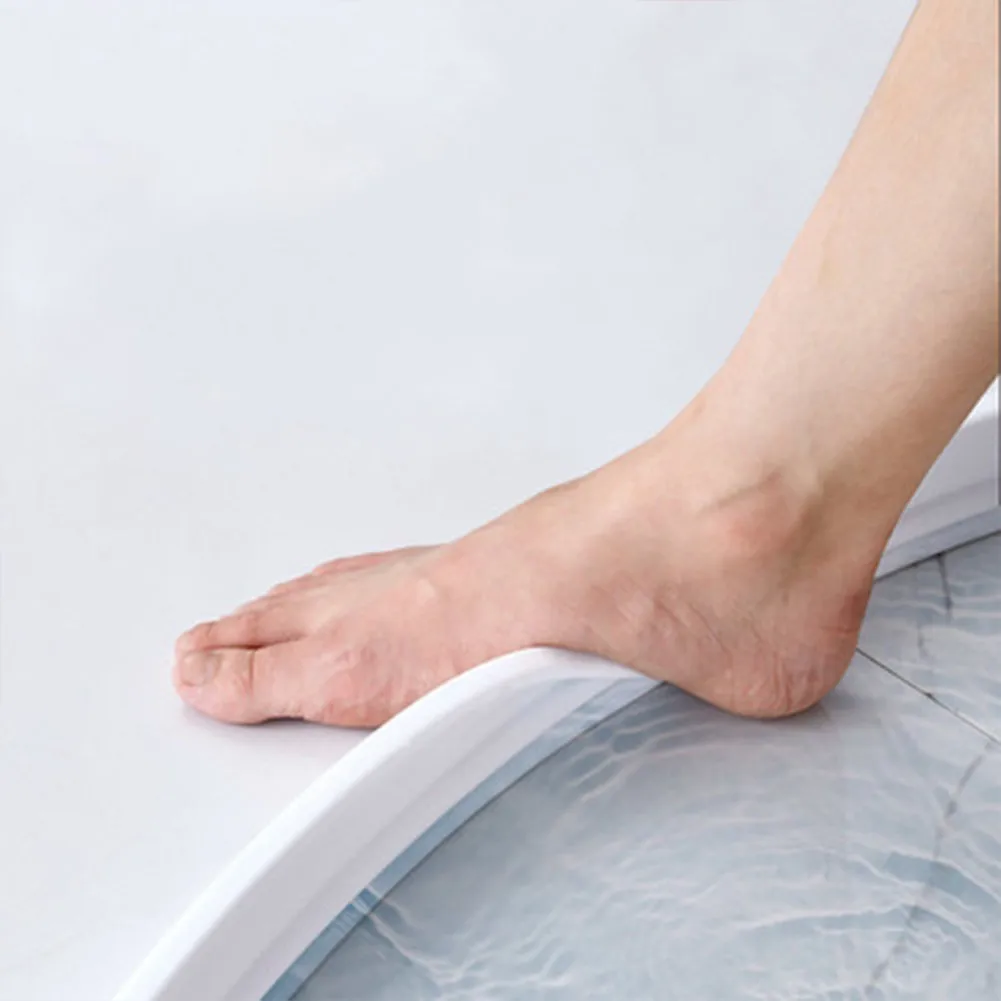
The fundamental design of this barrier is rooted in proactive water containment. The strip physically blocks water flow. Its profile, featuring a wider base for stability and a raised barrier (approximately 16mm in height), is meticulously engineered for this purpose. This specific dimension is crucial; it is tall enough to effectively dam significant splashes and overflows, yet low enough to avoid becoming a tripping hazard during daily use. This thoughtful engineering ensures that the barrier performs its function without impeding accessibility or safety within the bathroom space. It creates a robust, impermeable wall.
When installed around the perimeter of a shower pan, a washing machine base, or even a toilet, it forms an impenetrable dam. Water simply cannot pass. This ensures that splashes, drips, and accidental overflows remain precisely where they belong: contained within the designated wet zone. The peace of mind this provides is substantial. Imagine stepping out of a shower without the immediate concern of a wet floor, or knowing that a minor washing machine leak won't cascade into the hallway. This containment strategy is a cornerstone of efficient water use, as it eliminates the need for excessive towels or mops to clean up preventable spills, thereby reducing laundry cycles and associated water consumption.
Compared to traditional, rigid thresholds, which are notoriously difficult to install and customize, this bendable barrier adapts effortlessly to unique bathroom layouts. Standard pre-fabricated curbs often come in fixed lengths and angles, necessitating complex cutting and sealing for non-standard spaces. This silicone alternative, however, can be shaped to follow curves, corners, and irregular contours, providing a truly bespoke fit. This adaptability is a significant upgrade, allowing for seamless integration into diverse architectural styles and personal preferences. It simplifies the entire process.
Material Science: Silicone's Unrivaled Advantage
This barrier is constructed from high-grade silicone rubber. This material is celebrated for its inertness, resilience, and exceptional durability in wet environments. Silicone's inherent properties make it an ideal choice for a product designed to withstand constant exposure to water, soap, and cleaning agents without degradation. The material feels soft yet firm underfoot, providing a gentle transition across the barrier without the harshness of rigid plastic or metal. This tactile quality enhances user comfort and safety, especially in areas where bare feet are common.
Beyond its physical properties, silicone resists mold and mildew growth. This is a critical advantage in humid bathroom conditions, where organic growth can quickly become an unsightly and unhygienic problem. The non-porous surface of the silicone prevents spores from taking root, maintaining a cleaner and healthier environment. Cleaning is effortless; a simple wipe with a damp cloth is typically all that is needed to keep the barrier pristine. This low-maintenance aspect further contributes to its overall value proposition, saving time and effort in household upkeep.
Compared to PVC or rigid plastic alternatives, silicone offers superior flexibility and longevity. PVC can become brittle over time, especially with temperature fluctuations, leading to cracks and compromised seals. Silicone, by contrast, retains its pliability and structural integrity for years, resisting cracking, warping, and discoloration. This long-term stability ensures that the barrier remains effective and aesthetically pleasing throughout its lifespan, providing a more reliable and sustainable solution than its less flexible counterparts. It's a durable choice.
Installation Simplicity: A DIYer's Dream Realized
The design prioritizes ease of installation, making it a true DIY-friendly product. It features a pre-applied, strong adhesive strip along its base. No specialized tools are required for most installations, eliminating the need for drills, screws, or messy sealants during the initial placement. This self-adhesive backing ensures a quick and clean setup, appealing to users who prefer to undertake Home Improvement tasks without professional assistance.
Simply peel the red protective backing from the adhesive strip and press the barrier firmly onto a clean, dry surface. The material's inherent flexibility allows it to be easily manipulated and shaped to fit the desired contour. For precise length adjustments, a sharp utility knife is all that is needed to trim any excess material. This straightforward process means that a functional water barrier can be installed in minutes, transforming a potentially messy area into a contained space with minimal effort. This saves valuable time.
Traditional shower curbs often require professional installation, involving mortar, grout, and tiles, a process that is both time-consuming and costly. This product drastically simplifies the process, democratizing effective water containment. The contrast in installation complexity is stark: hours of skilled labor versus a few minutes of careful placement. This ease of installation makes the silicone barrier an attractive option for renters, homeowners seeking quick fixes, or anyone looking to avoid the expense and disruption of a major bathroom renovation. It's truly user-friendly.
Beyond the Shower: Versatile Water Management Solutions
The bendable nature of this barrier unlocks a wide array of diverse applications beyond the conventional shower stall. The product images clearly illustrate its versatility, showcasing its effective use around toilets, washing machines, and even bathtubs. This adaptability means a single product can address multiple water containment challenges throughout the home, maximizing its utility and value. Its ability to conform to various shapes makes it uniquely suited for these varied roles.
Imagine a washing machine overflowing slightly due to a clogged drain or an unbalanced load; this barrier is perfectly positioned to contain the spill, preventing water from spreading across the laundry room floor and into adjacent living spaces. Picture a child splashing exuberantly in the bathtub; the floor outside the tub remains perfectly dry, eliminating the need for immediate cleanup and safeguarding against slips. These hypothetical scenarios underscore the practical benefits of having such a versatile water management tool readily available.
Generic door bottom seals or rigid water dams are often limited to straight lines, making them impractical for anything other than linear applications. This bendable barrier, however, offers true customization for curved or irregular spaces, such as the base of a pedestal sink or around the unique footprint of a modern toilet. This flexibility ensures that water containment is not restricted by the geometry of the fixture, providing a comprehensive solution for even the most challenging areas. It truly adapts to its environment.
The Conservation Impact: More Than Just Dry Floors
While its primary function is physical water containment, the environmental implications of this barrier are significant. By preventing water from escaping designated wet areas, it inherently reduces the need for excessive towels and subsequent laundry cycles. Each load of laundry consumes gallons of water and energy, so minimizing the frequency of these cycles directly translates to measurable resource savings. It also minimizes the impulse to run water longer to