Brass Hose Barb Fittings for Fluid Systems
Official Store Deal
Expert Analysis Overview
The Unyielding Grip: A Master Plumber's Take on Brass Hose Barb Fittings
Brass hose barb fittings are essential components in fluid transfer systems, designed for robust, leak-free connections between hoses and threaded pipes. These particular fittings, ranging from 4mm to 19mm barb tails and featuring 1/8" to 1/2" BSP female threads, are engineered for durability and reliable performance in demanding applications. A master plumber understands the critical role of material quality and precise threading in preventing costly failures. These fittings appear to offer a solid alternative to the often-problematic plastic counterparts.
Material Integrity and Construction
The visible material is brass, a superior choice for Plumbing applications due to its inherent corrosion resistance and strength. Unlike cheaper alternatives that might use zinc alloys or even plastic, brass maintains its structural integrity over time, especially when exposed to water, chemicals, or varying temperatures. This material choice directly addresses the common frustration of fittings degrading, cracking, or failing prematurely.
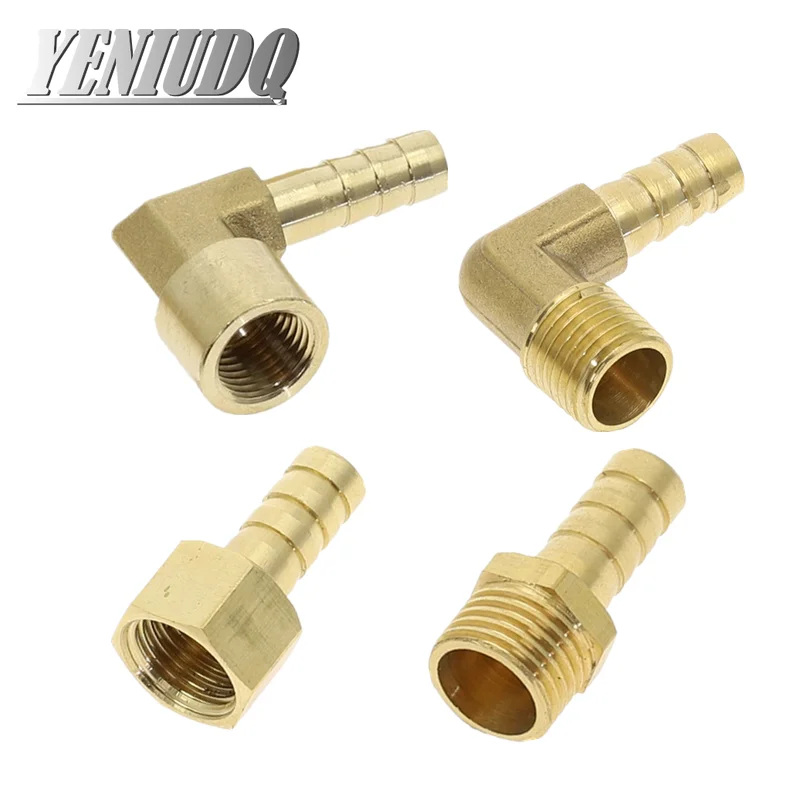
When examining the construction, the fittings display clean machining and well-defined barb ridges. These ridges are crucial for creating a secure grip inside the hose, minimizing the risk of slippage or blow-off under pressure. The hexagonal sections on the threaded ends indicate ease of installation with standard wrenches, a small but significant detail for efficient work.
Compared to generic, mass-produced fittings, the apparent consistency in the brass material suggests a higher standard of manufacturing. This is not a flimsy component. It is built to last.
Threading Standards and Compatibility
The product explicitly states "BSP Female Thread," which is a British Standard Pipe thread. This is a critical detail for users in regions primarily utilizing NPT (National Pipe Taper) threads, common in the United States. While BSP threads are parallel and NPT threads are tapered, adapters are readily available, or careful selection of mating components is necessary. Understanding this distinction prevents frustrating installation issues and potential leaks.
The provided conversion chart in the product images is a valuable resource, translating BSP sizes (DN6-1/8" to DN100-4") into both metric and imperial measurements. This transparency helps users verify compatibility before purchase, mitigating the common problem of ordering incorrect parts. Always double-check your existing system's thread type.
For those working with existing BSP systems, these fittings offer direct compatibility, ensuring a snug, reliable connection without the need for additional adapters. This streamlines the installation process. It saves time and effort.
Barb Design and Hose Retention
The barb tails are designed with multiple, distinct ridges. This multi-ridge design is superior for hose retention compared to single-ridge or smooth barb designs. Each ridge creates a separate sealing point and increases the friction holding the hose in place, especially when secured with a hose clamp.
In practical applications, a well-designed barb prevents the hose from pulling off the fitting, even under fluctuating pressure or vibration. This is particularly important in systems where hose integrity is paramount, such as irrigation, pneumatic lines, or low-pressure hydraulic systems. A good barb means fewer call-backs.
Compared to fittings with less aggressive barb profiles, these brass fittings offer enhanced security. The visible machining suggests a consistent barb diameter, which is essential for a tight fit with the specified hose inner diameters. This consistency is key.
Installation and Sealing Performance
Proper installation is key to preventing leaks. For the BSP female threads, a suitable thread sealant, such as PTFE tape or pipe dope, is essential to ensure a watertight seal. The parallel nature of BSP threads relies heavily on the sealant and the mating surface for sealing, unlike NPT threads which seal by wedging.
When connecting the hose to the barb, selecting the correct hose clamp is vital. Worm-drive clamps or Oetiker clamps provide even pressure around the hose, compressing it onto the barb ridges for a secure, leak-proof connection. Over-tightening can damage the hose or fitting; under-tightening leads to leaks. A firm, even clamp is needed.
These fittings, when installed correctly with appropriate sealants and clamps, are designed to provide a long-lasting, leak-free connection. They are a significant upgrade from quick-connect plastic fittings that often fail under stress or over time. This ensures system reliability.
Durability in Diverse Environments
Brass is inherently resistant to dezincification and stress corrosion cracking, common issues with lower-grade brass or other metal alloys in certain water conditions. This makes these fittings suitable for a wide range of environments, from potable water systems to industrial applications involving various fluids.
Consider a scenario where fittings are exposed to outdoor elements or fluctuating temperatures. The robust nature of brass ensures these connectors will not become brittle or degrade, maintaining their performance over many years. This reduces maintenance frequency and replacement costs. It's a smart investment.
Unlike plastic fittings that can become brittle with UV exposure or extreme cold, brass maintains its mechanical properties. This resilience translates to fewer unexpected failures and greater peace of mind for the system operator. Longevity is a major benefit.
Value Proposition and Long-Term Savings
While the initial cost of brass fittings might be slightly higher than plastic alternatives, the long-term value is undeniable. The durability and reliability of brass significantly reduce the likelihood of leaks, system downtime, and the need for frequent replacements. This translates to substantial savings over the product's lifespan.
For professional plumbers or serious DIY enthusiasts, investing in quality brass fittings means fewer headaches and a more reliable system. The cost-per-use becomes incredibly low when a fitting lasts for decades without issue. This is a true return on investment.
Compared to constantly replacing cheap plastic fittings that inevitably fail, these brass connectors offer a superior total cost of ownership. They are built for the long haul. This is a practical choice.
The Master Plumber's Final Word
These brass hose barb fittings are a solid choice for anyone building or repairing fluid transfer systems where reliability and longevity are paramount. The visible quality of the brass, the precise machining of the threads and barbs, and the inherent durability of the material speak volumes. They are designed to be installed once and forgotten, providing years of trouble-free service. Imagine the peace of mind knowing your connections are secure, your system is leak-free, and you won't be dealing with unexpected failures. These fittings deliver that confidence, allowing you to focus on the task at hand, not on constant repairs. They simply work, day in and day out, holding tight against the pressures of any demanding application. This is how plumbing should be done.