DIY USB-A Male Power Connector Cable
Official Store Deal
Expert Analysis Overview
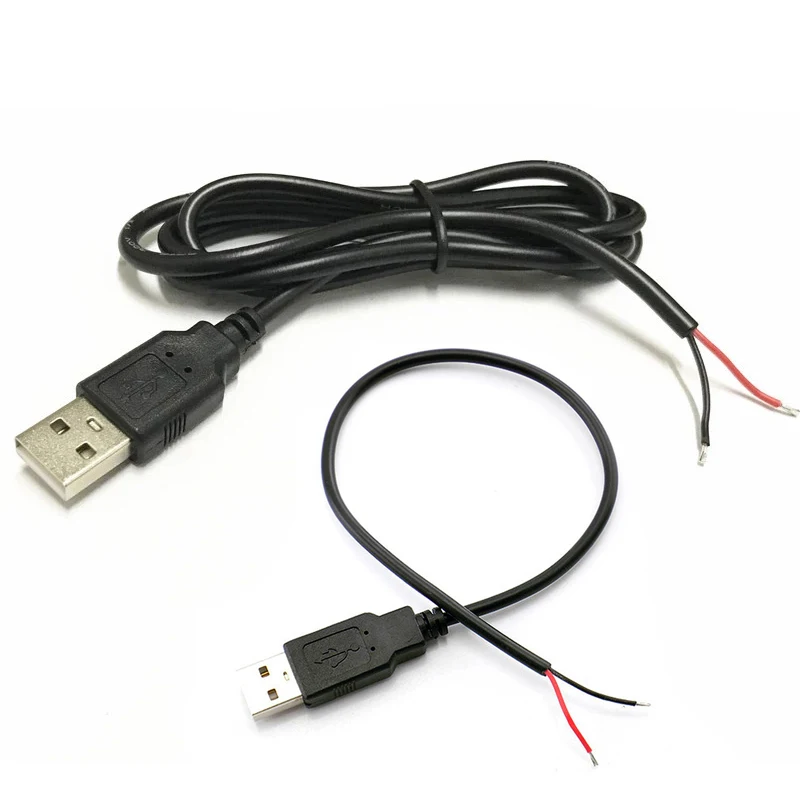
The 5V USB-A Male Power Connector Cable is a fundamental component for hobbyists and DIY enthusiasts building custom low-voltage power solutions, particularly relevant for small-scale solar projects. This specialized cable provides a standard USB-A male connector on one end, terminating in two bare wires—typically red for positive and black for negative—on the other. This configuration simplifies the integration of USB power into custom circuits, offering a clean and reliable interface for devices requiring 5V DC power.
This cable's design facilitates direct wiring into custom electronic projects. The exposed wire leads allow for soldering, screw terminal connections, or breadboard integration without the need to strip existing USB cables, which can often be cumbersome and lead to unreliable connections. It is a practical solution for powering microcontrollers, LED strips, small fans, or charging low-power batteries from a standard USB power source, including portable power banks or solar charge controllers with USB outputs.
The visible construction suggests a durable PVC insulation around the wires, offering adequate protection for indoor or protected outdoor use. The USB-A connector itself appears to be standard, ensuring broad compatibility with existing USB ports. Its simplicity is its strength.
Compared to modifying a standard USB cable, which involves cutting and stripping, this dedicated DIY cable saves significant time and reduces the risk of damaging the internal conductors. It ensures a more professional and robust finish for any custom power setup.
For solar energy hobbyists, this cable becomes an invaluable tool for creating self-sustaining energy systems. A common application involves connecting small solar panels (via a suitable charge controller) to various low-power devices. For instance, a 5V solar panel system can directly power a Raspberry Pi or an Arduino board using this cable, enabling remote monitoring stations or automated garden systems.
When designing such systems, verifying compatibility with existing solar setups is crucial. This cable handles 5V DC, making it ideal for the output stage of many small solar charge controllers. The direct current (DC) nature of the connection minimizes conversion losses that would occur if an inverter were needed to convert DC to AC, only to convert it back to DC for the device. This direct approach maximizes the efficiency of energy transfer from the solar array to the end device.
Calculating efficiency losses in a solar system often involves considering every component. While this cable itself introduces minimal resistive loss due to its short length and direct wiring, ensuring proper connections (soldered or securely terminated) prevents additional losses. Loose connections can generate heat and reduce power delivery, impacting the overall system performance. A solid connection is paramount for stable power.
The cable's visible insulation appears robust enough for typical hobbyist use. The black outer jacket provides a discreet aesthetic and a degree of protection against minor abrasions. The exposed red and black wires are clearly distinguishable, simplifying polarity identification, which is critical for preventing damage to sensitive electronics.
Unlike many flimsy, generic cables, the visible strain relief at the base of the USB-A connector suggests a design intended to withstand repeated plugging and unplugging. This feature helps prevent wire breakage at the most vulnerable point, extending the cable's lifespan. Longevity is key for continuous operation.
Many standard USB cables are not designed for the constant bending and manipulation often required in DIY projects. This cable, while not heavy-duty, offers a practical balance between flexibility and durability for its intended purpose. It is a reliable workhorse for bench-top experiments and permanent installations alike.
USB 2.0 specifications typically allow for a maximum current draw of 500mA (0.5A) at 5V, though many modern USB ports and power adapters can supply more (e.g., 1A, 2A, or even higher for charging). The wire gauge of these cables, while not explicitly stated, appears suitable for these standard USB current levels. Overloading the cable with significantly higher currents than its wire gauge can safely handle may lead to overheating or damage.
Properly sizing the wire for the expected current draw is essential for safety and efficiency. For applications requiring more than 1A, it is advisable to monitor the cable's temperature during operation. The 2-pin configuration ensures only power is transmitted, eliminating data interference and simplifying the electrical circuit. This focus on power delivery is a deliberate design choice.
Compared to using power adapters with proprietary connectors, this USB-A cable offers a universal standard for 5V power, making it easier to source compatible power supplies or integrate into existing USB infrastructure. This universality enhances project flexibility.
This cable's versatility extends beyond solar projects. It is excellent for repairing damaged USB power cables, creating custom charging solutions for unique battery packs, or integrating USB power into enclosures where a standard USB port is not feasible. Its availability in various lengths (0.3m, 1m, 2m) allows users to select the optimal cable for their specific project, minimizing excess cable clutter and signal loss over longer distances.
The shorter 0.3m option is ideal for compact projects where space is limited, such as inside small project boxes or for direct connections to PCBs. Longer versions provide flexibility for reaching components that are further apart, without the need for additional extension cables. Choosing the right length improves overall system aesthetics and performance.
Unlike a fixed-length power cord, the bare wire termination offers unparalleled adaptability. Users can cut the cable to their exact desired length, add their preferred connectors, or solder it directly to components. This level of customization is rarely found in off-the-shelf power solutions, making this cable a go-to for bespoke electrical work.
At its price point, this cable represents exceptional value. It eliminates the need for time-consuming and potentially risky cable modifications, providing a ready-to-use component that integrates seamlessly into a wide array of projects. The cost-per-use is incredibly low, especially considering the time saved and the improved reliability of custom power connections.
This product is an investment in streamlined project development. It allows hobbyists to focus on the core functionality of their creations rather than spending time on basic wiring tasks. The availability of different lengths further enhances its value, offering tailored solutions without additional cost or effort.
Compared to purchasing specialized power adapters for every unique project, this generic USB power cable, when paired with a common USB power source, offers a highly economical and flexible alternative. It empowers users to build more with less, fostering innovation within budget constraints.
Imagine the satisfaction of powering your custom weather station or automated plant watering system directly from a small solar panel, using a clean, reliable USB connection. This cable simplifies the electrical interface, allowing you to focus on the intricate programming and sensor integration. It streamlines your build process, ensuring stable power delivery to your creations, whether they are monitoring environmental data or controlling smart home devices. This is the kind of foundational component that makes ambitious projects achievable, providing the reliable link between power source and innovation.
Custom Power Integration
This cable's design facilitates direct wiring into custom electronic projects. The exposed wire leads allow for soldering, screw terminal connections, or breadboard integration without the need to strip existing USB cables, which can often be cumbersome and lead to unreliable connections. It is a practical solution for powering microcontrollers, LED strips, small fans, or charging low-power batteries from a standard USB power source, including portable power banks or solar charge controllers with USB outputs.
The visible construction suggests a durable PVC insulation around the wires, offering adequate protection for indoor or protected outdoor use. The USB-A connector itself appears to be standard, ensuring broad compatibility with existing USB ports. Its simplicity is its strength.
Compared to modifying a standard USB cable, which involves cutting and stripping, this dedicated DIY cable saves significant time and reduces the risk of damaging the internal conductors. It ensures a more professional and robust finish for any custom power setup.
Efficiency in Off-Grid Applications
For solar energy hobbyists, this cable becomes an invaluable tool for creating self-sustaining energy systems. A common application involves connecting small solar panels (via a suitable charge controller) to various low-power devices. For instance, a 5V solar panel system can directly power a Raspberry Pi or an Arduino board using this cable, enabling remote monitoring stations or automated garden systems.
When designing such systems, verifying compatibility with existing solar setups is crucial. This cable handles 5V DC, making it ideal for the output stage of many small solar charge controllers. The direct current (DC) nature of the connection minimizes conversion losses that would occur if an inverter were needed to convert DC to AC, only to convert it back to DC for the device. This direct approach maximizes the efficiency of energy transfer from the solar array to the end device.
Calculating efficiency losses in a solar system often involves considering every component. While this cable itself introduces minimal resistive loss due to its short length and direct wiring, ensuring proper connections (soldered or securely terminated) prevents additional losses. Loose connections can generate heat and reduce power delivery, impacting the overall system performance. A solid connection is paramount for stable power.
Build Quality and Durability
The cable's visible insulation appears robust enough for typical hobbyist use. The black outer jacket provides a discreet aesthetic and a degree of protection against minor abrasions. The exposed red and black wires are clearly distinguishable, simplifying polarity identification, which is critical for preventing damage to sensitive electronics.
Unlike many flimsy, generic cables, the visible strain relief at the base of the USB-A connector suggests a design intended to withstand repeated plugging and unplugging. This feature helps prevent wire breakage at the most vulnerable point, extending the cable's lifespan. Longevity is key for continuous operation.
Many standard USB cables are not designed for the constant bending and manipulation often required in DIY projects. This cable, while not heavy-duty, offers a practical balance between flexibility and durability for its intended purpose. It is a reliable workhorse for bench-top experiments and permanent installations alike.
Current Handling and Safety
USB 2.0 specifications typically allow for a maximum current draw of 500mA (0.5A) at 5V, though many modern USB ports and power adapters can supply more (e.g., 1A, 2A, or even higher for charging). The wire gauge of these cables, while not explicitly stated, appears suitable for these standard USB current levels. Overloading the cable with significantly higher currents than its wire gauge can safely handle may lead to overheating or damage.
Properly sizing the wire for the expected current draw is essential for safety and efficiency. For applications requiring more than 1A, it is advisable to monitor the cable's temperature during operation. The 2-pin configuration ensures only power is transmitted, eliminating data interference and simplifying the electrical circuit. This focus on power delivery is a deliberate design choice.
Compared to using power adapters with proprietary connectors, this USB-A cable offers a universal standard for 5V power, making it easier to source compatible power supplies or integrate into existing USB infrastructure. This universality enhances project flexibility.
Practical Applications and Versatility
This cable's versatility extends beyond solar projects. It is excellent for repairing damaged USB power cables, creating custom charging solutions for unique battery packs, or integrating USB power into enclosures where a standard USB port is not feasible. Its availability in various lengths (0.3m, 1m, 2m) allows users to select the optimal cable for their specific project, minimizing excess cable clutter and signal loss over longer distances.
The shorter 0.3m option is ideal for compact projects where space is limited, such as inside small project boxes or for direct connections to PCBs. Longer versions provide flexibility for reaching components that are further apart, without the need for additional extension cables. Choosing the right length improves overall system aesthetics and performance.
Unlike a fixed-length power cord, the bare wire termination offers unparalleled adaptability. Users can cut the cable to their exact desired length, add their preferred connectors, or solder it directly to components. This level of customization is rarely found in off-the-shelf power solutions, making this cable a go-to for bespoke electrical work.
Value Proposition for the Hobbyist
At its price point, this cable represents exceptional value. It eliminates the need for time-consuming and potentially risky cable modifications, providing a ready-to-use component that integrates seamlessly into a wide array of projects. The cost-per-use is incredibly low, especially considering the time saved and the improved reliability of custom power connections.
This product is an investment in streamlined project development. It allows hobbyists to focus on the core functionality of their creations rather than spending time on basic wiring tasks. The availability of different lengths further enhances its value, offering tailored solutions without additional cost or effort.
Compared to purchasing specialized power adapters for every unique project, this generic USB power cable, when paired with a common USB power source, offers a highly economical and flexible alternative. It empowers users to build more with less, fostering innovation within budget constraints.
Imagine the satisfaction of powering your custom weather station or automated plant watering system directly from a small solar panel, using a clean, reliable USB connection. This cable simplifies the electrical interface, allowing you to focus on the intricate programming and sensor integration. It streamlines your build process, ensuring stable power delivery to your creations, whether they are monitoring environmental data or controlling smart home devices. This is the kind of foundational component that makes ambitious projects achievable, providing the reliable link between power source and innovation.