DIY USB Connectivity Kit
Official Store Deal
Expert Analysis Overview
Crafting Custom Power Pathways: An Expert's View on DIY USB Connectors
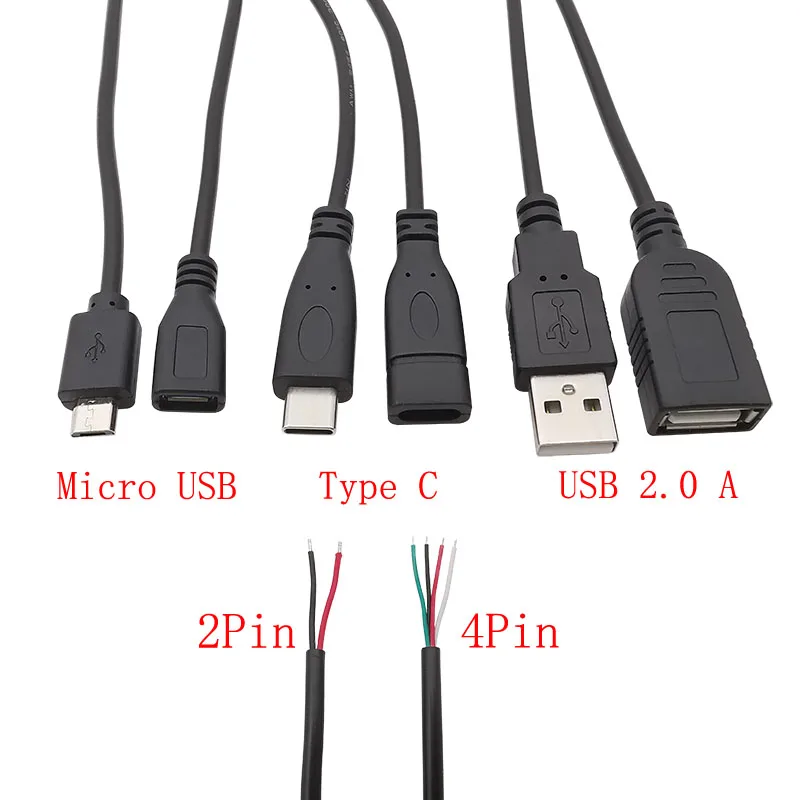
The DIY USB Connectivity Kit is a collection of essential components for any solar energy hobbyist or electronics enthusiast looking to integrate standard USB power and data into custom projects. These bare-wire USB connectors, available in Micro USB, Type C, and USB 2.0 A configurations, offer unparalleled flexibility for off-grid power solutions and bespoke charging stations. This selection is not merely a set of cables; it represents a foundational toolkit for building self-sustaining energy systems and ensuring seamless compatibility with a myriad of devices.
The Architecture of Adaptability
This kit provides a range of common USB connector types, including Micro USB, USB Type C, and USB 2.0 A, each available in both male and female configurations. The inclusion of both 2-pin (power only) and 4-pin (power and data) options for the bare wire ends is a critical design choice. This allows for precise control over the functionality required for specific applications.
When working with solar charging circuits, isolating power lines from data lines can prevent unintended signal interference or simplify the circuit design. A 2-pin connection is perfect for direct power injection into a battery management system or a low-power LED array. The 4-pin variant, conversely, enables full data communication for microcontrollers or data logging units that monitor solar panel performance.
Compared to pre-made cables that often have unnecessary length or bulky connectors, these 30cm segments allow for cleaner, more compact installations. This is particularly beneficial in small enclosures or portable solar setups where space is at a premium. The ability to choose specific connector types and pin counts streamlines project development.
Engineering Off-Grid Efficiency
For solar energy applications, the ability to custom-wire power connections directly from a charge controller or a DC-DC converter is invaluable. These bare-wire USB cables facilitate the creation of robust and efficient charging ports for various portable electronics. The 5V DC standard of USB is universally recognized.
Imagine integrating a Type C female port directly into a custom solar generator enclosure. This allows for modern device charging without relying on bulky wall adapters or inefficient inverters. The direct connection minimizes conversion losses, which is paramount when every milliwatt counts in an off-grid scenario. This setup ensures that the maximum possible energy harvested from a solar panel reaches the device.
Unlike generic USB extension cables that introduce unnecessary resistance and voltage drop over longer distances, these shorter 30cm segments are designed for direct integration. This reduces efficiency losses, a critical factor when calculating the overall conversion efficiency of a solar power system. Every component contributes to the system's performance.
Data Flow and Power Delivery
While the primary focus for solar hobbyists is often power, the 4-pin versions of these connectors also support USB 2.0 data transfer. This capability extends the utility of the kit beyond simple charging.
Picture a scenario where a small Raspberry Pi or Arduino-based data logger is used to monitor solar panel voltage, current, and battery state of charge. A 4-pin Micro USB or Type C connector can provide both power to the microcontroller and a data link for programming or retrieving logged data. This dual functionality simplifies wiring and reduces the number of separate connections required.
This level of integration surpasses what can be achieved with standard power-only cables. The ability to have both power and data on a single connection point is a significant advantage for complex monitoring systems. It provides a clean interface for diagnostics and system adjustments.
Durability and Installation Considerations
The cables feature a standard PVC jacket, offering adequate protection for indoor or protected outdoor applications. The connector housings appear to be molded with precision, ensuring a secure fit when connected to devices. The bare wire ends are tinned, making soldering connections straightforward and reliable.
When incorporating these into a solar project, proper strain relief for the bare wire ends is crucial. Securing the cable near the connection point prevents stress on the solder joints, enhancing the longevity of the installation. A small dab of hot glue or a cable tie can make a significant difference in preventing accidental disconnections or wire fatigue.
Compared to industrial-grade connectors, these are designed for hobbyist and light-duty applications. Their cost-effectiveness makes them ideal for prototyping and small-scale custom builds. The tactile feel of the connectors is solid, not flimsy.
The Future of Personal Power
This DIY USB Connectivity Kit empowers the creation of highly customized and efficient power solutions. It is an indispensable resource for anyone looking to build, repair, or upgrade their portable power systems, particularly within the solar energy domain. The flexibility to choose specific connector types and pin configurations ensures that every project can be tailored precisely to its requirements, minimizing waste and maximizing performance. Imagine the satisfaction of powering your essential devices directly from a custom-built solar array, knowing every connection was made with precision and purpose. This kit makes that vision a tangible reality, fostering innovation in personal energy management.