Dome Protection Fastener Caps
Official Store Deal
Expert Analysis Overview
Concealing Critical Connections: An Expert Assessment of Dome Protection Fastener Caps
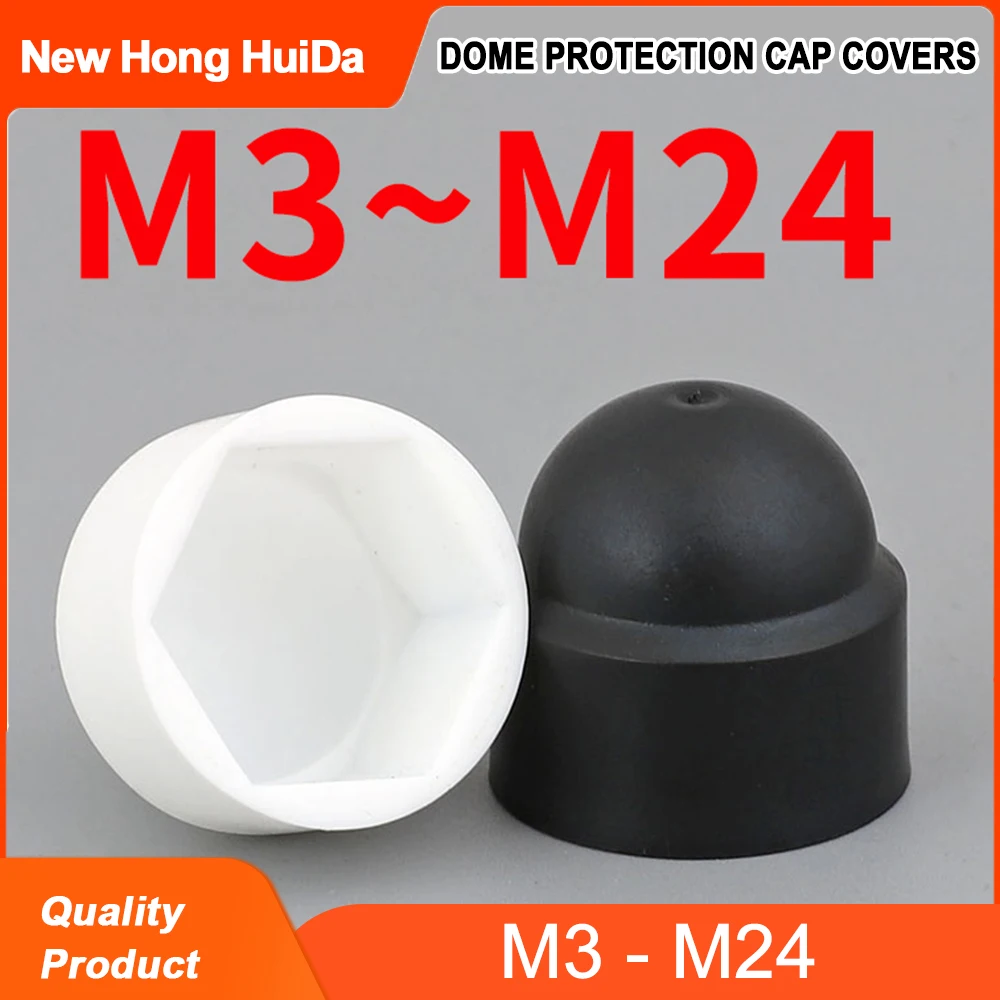
The Dome Protection Fastener Caps are a basic, yet effective, concealment solution for exposed hardware, primarily aimed at deterring casual tampering and enhancing aesthetic finish. These caps, available in a wide range of sizes from M3 to M24, offer a straightforward method to cover hexagonal nuts and bolts, providing a cleaner appearance and a degree of protection against environmental factors. The design prioritizes ease of installation and broad compatibility across common fastener dimensions, making them a practical choice for numerous applications where a simple, protective cover is needed.
Material Integrity and Environmental Shielding
The caps are constructed from PE plastic, or polyethylene, a material widely recognized for its inherent flexibility, commendable chemical resistance, and cost-effectiveness. This selection makes it a pragmatic choice for a protective cover that may require periodic replacement or is used in high-volume applications. Polyethylene generally exhibits robust resistance to moisture, preventing water ingress, and stands up well against many common solvents, which is a critical attribute for safeguarding underlying metal fasteners from the onset of corrosion. This material choice directly contributes to the longevity of the covered hardware.
The use of PE plastic implies a specific level of resilience against the rigors of everyday exposure and minor physical interactions. It can withstand incidental impacts and superficial abrasions without suffering significant structural damage, thereby consistently maintaining its protective and aesthetic functions. This material decision represents a deliberate balance between achieving a low manufacturing cost and delivering functional durability suitable for its intended, non-load-bearing application. It is a practical material.
Compared to more rigid engineering plastics like ABS, or indeed, metal caps, PE plastic offers a softer, more compliant fit. While this characteristic might suggest a lower inherent resistance to deliberate, forceful removal, it significantly contributes to the ease of installation and minimizes the potential for causing damage to either the cap itself or the underlying fastener during placement. This material choice firmly positions these caps as a practical, rather than a high-security, protective layer, focusing on accessibility and ease of use over impenetrable defense.
Design and Application Versatility
The dome-shaped exterior of these caps serves multiple functional purposes that extend well beyond mere visual appeal. Its smooth, rounded surface is engineered to effectively shed water, dust, and other environmental debris, actively preventing accumulation that could otherwise lead to moisture ingress or the buildup of corrosive agents around the critical fastener. This streamlined design also inherently eliminates sharp or protruding edges, thereby significantly reducing the risk of accidental cuts, scrapes, or snags in environments where exposed fasteners might otherwise pose a safety hazard. Safety is improved.
Internally, each cap features a precisely formed hexagonal cavity that is meticulously engineered to fit snugly over standard hexagonal nuts and bolt heads. This design ensures a tight, friction-fit attachment that holds the cap securely in place without requiring any additional adhesives, clips, or complex fastening mechanisms. The comprehensive sizing availability, spanning from M3 to M24, means that an exceptionally wide array of common industrial, automotive, furniture assembly, and general DIY fasteners can be reliably accommodated, offering unparalleled versatility for users.
This thoughtful design contrasts sharply with simpler, open-ended or flat caps that offer only partial coverage. The full dome provides a complete, encompassing enclosure, offering superior protection against direct environmental exposure from all angles. The internal hexagonal grip ensures that once installed, the cap remains firmly in position, effectively resisting incidental dislodgement that might occur from vibrations, minor bumps, or other external forces. This secure fit is paramount.
Installation Simplicity and Tamper Deterrence
Installation of these caps is engineered for maximum simplicity, typically involving nothing more than a straightforward press-fit application. The inherent flexibility and elastic memory of the PE plastic allow the cap to slightly deform as it is pushed over the fastener, then resiliently spring back to create a tight, secure grip around the hexagonal head. This remarkable ease of installation means that protective measures can be applied quickly and efficiently, even across large-scale projects or in situations requiring rapid deployment of protective covers. It is very user-friendly.
Crucially, the simple act of covering a fastener, even with a plastic cap, introduces a minor yet significant layer of tamper deterrence. An individual attempting to gain unauthorized access to the underlying fastener would first be compelled to remove the cap, thereby adding an extra, visible step to the process and potentially drawing unwanted attention to their actions. While this is by no means a high-security measure, it can be entirely sufficient to discourage opportunistic or casual tampering, vandalism, or minor mischief, particularly in public or semi-public spaces where the goal is to prevent easy, unobserved interference.
Unlike more complex security fasteners or tamper-resistant designs that often necessitate specialized tools for both installation and removal, these caps strike a deliberate balance between providing effective protection and maintaining accessibility for legitimate maintenance. Their primary role is to conceal and protect, rather than to provide robust, impenetrable anti-theft capabilities. The inherent simplicity of their removal, while convenient for authorized personnel, also clearly defines their security limitations, making them unsuitable for securing high-value assets against determined, tool-equipped intruders.
Sizing Precision and Broad Compatibility
The availability of these caps across a comprehensive and extensive range of sizes, specifically from M3 to M24, underscores their broad utility and adaptability across countless applications. This wide spectrum of sizing ensures that they can be effectively utilized with virtually any standard metric hexagonal fastener commonly encountered in diverse fields such as construction, automotive repair, furniture assembly, general manufacturing, or everyday DIY projects. Such extensive versatility significantly reduces the logistical complexity and the need for procuring multiple, specialized cap types for different fastener dimensions. One size fits many.
Each individual cap size within this range is meticulously calibrated to provide an optimal and precise fit for its corresponding fastener dimension. Achieving a precise fit is absolutely crucial for the cap's effectiveness. A cap that is too loose would inevitably fall off easily, completely negating its intended protective and aesthetic benefits. Conversely, a cap that is excessively tight could prove difficult to install without undue force, potentially leading to cracking or damage to the cap during placement, or even marring the fastener itself. The fit must be right.
This comprehensive range of options stands in stark contrast to products that offer only a limited selection of sizes, which can often lead to compatibility issues and increased inventory management challenges. For professionals managing diverse projects with varying fastener requirements, or for individuals with a broad array of fastening needs, the expansive M3-M24 range simplifies the procurement process and guarantees reliable compatibility across a vast spectrum of applications, ensuring that the right cap is always available for the job.
Aesthetic Integration and Safety Enhancement
Beyond their core protective functions, these caps make a significant and often underestimated contribution to the overall aesthetic finish of an assembly. Exposed nuts and bolts, while functionally necessary, can often present an unfinished, industrial, or even unsightly appearance, detracting from the visual appeal of a product or structure. The smooth, clean lines of the dome-shaped caps, available in classic black and white, provide a uniform and polished appearance that integrates seamlessly into various design schemes, enhancing the perceived quality and completeness of the finished item. Appearance matters.
Furthermore, the caps offer a subtle but important safety enhancement. By effectively covering sharp threads or protruding fastener edges, they significantly mitigate the risk of accidental cuts, scrapes, or snags on clothing or skin. This safety aspect is particularly relevant in environments where people might frequently come into contact with machinery or structures containing numerous exposed fasteners, such as children's playgrounds, public furniture installations, vehicle interiors, or accessible industrial equipment. Injury prevention is key.
The strategic choice of black or white colors allows for either discreet, unobtrusive integration into a design or, alternatively, a deliberate visual contrast, depending on the desired aesthetic outcome. This thoughtful attention to both form and function elevates these caps beyond mere utilitarian components, transforming them into a valuable addition for projects where both the practical protection of fasteners and the overall visual presentation are critical considerations. They serve a dual purpose.
Longevity and Maintenance Reduction
By creating a robust physical shield that protects fasteners from direct exposure to environmental aggressors such as moisture, dust, dirt, and corrosive chemicals, these caps play a pivotal role in extending the operational lifespan of the underlying hardware. Corrosion, particularly rust on ferrous metals, is a primary and insidious cause of fastener failure, which can lead to weakened structural joints, compromised integrity, and notoriously difficult or impossible removal during maintenance. The protective barrier provided by these caps significantly slows down this detrimental degradation process, preserving the fastener's strength and functionality. Protection is paramount.
The direct consequence of reduced corrosion and environmental wear is a marked decrease in the frequency of maintenance and the need for premature replacement of fasteners. This, in turn, translates directly into tangible long-term cost savings for both materials and labor, alongside a reduction in costly downtime for equipment or structures that rely on these connections. The initial, relatively small investment in these protective caps can yield substantial returns by preserving the structural integrity and operational reliability of critical connections over extended periods. It saves money.
This proactive approach to protection stands in stark contrast to a reactive maintenance strategy that only addresses corrosion and damage after it has already begun to manifest. The caps function as a preventative measure, ensuring that fasteners remain in optimal condition for significantly longer durations, thereby enhancing the overall reliability, safety, and operational efficiency of the entire assembly or system. Prevention is better than cure.
The Locksmith's Perspective: Security vs. Deterrence
From the rigorous standpoint of a security professional, these dome protection caps are unequivocally not designed or intended as a high-security solution capable of resisting determined forced entry. Their fundamental plastic construction means they can be easily cut, pried, or broken with common hand tools such as screwdrivers, pliers, or utility knives. They offer no significant or meaningful resistance to a targeted attack carried out by an individual equipped with even basic tools and a modicum of intent. True security is absent.
However, their genuine value, from a security perspective, lies squarely in their capacity for deterrence and concealment. By effectively covering the fastener, they obscure the specific type of tool required for removal and introduce an additional, visible step that must be undertaken to gain access to the underlying hardware. This seemingly minor impediment can often be sufficient to deter casual tampering, opportunistic vandalism, or minor acts of mischief, particularly in public or semi-public spaces where the goal is to make unauthorized access slightly more inconvenient and less discreet. They add a layer of friction.
The deliberate absence of a complex locking mechanism, tamper-resistant features, or hardened material means these caps are primarily engineered for general protection, aesthetic enhancement, and very basic, low-level deterrence, rather than for securing high-value assets. Their role is to provide a first, albeit easily overcome, layer of defense against environmental damage and opportunistic interference, rather than to establish a robust, impenetrable barrier against skilled or equipped intruders. They are not a fortress.
Imagine a scenario where outdoor playground equipment or public signage is secured with these caps. The fasteners are effectively protected from the corrosive effects of rain, wind, and general environmental exposure, thereby maintaining their structural integrity and extending the lifespan of the installation. Simultaneously, the caps present a smooth, clean surface, subtly deterring casual attempts to loosen bolts with readily available tools, as the cap itself must first be removed. This dual benefit of environmental protection and minor deterrence makes them a highly practical and cost-effective choice for a wide array of applications where full-scale, robust security is not the primary concern, but longevity, a tidy appearance, and a basic level of interference prevention are highly valued. The ease of installation and replacement also means that maintaining this protective layer is straightforward, ensuring continuous benefits without significant effort or specialized expertise.