Dyson V11 V15 Large Dust Bin Replacement Canister
Official Store Deal
Expert Analysis Overview
The Dyson V11 V15 Large Dust Bin Replacement Canister is a crucial maintenance component designed for DIY enthusiasts seeking to restore peak suction performance to their compatible Dyson stick vacuums. This replacement part directly addresses the common wear and tear issues that can plague the original dust collection units, offering a practical solution for extending the lifespan of a premium appliance. Its design mirrors the original equipment, ensuring a seamless integration into the existing vacuum architecture. This component is not merely a container; it is integral to the vacuum's cyclonic separation system.
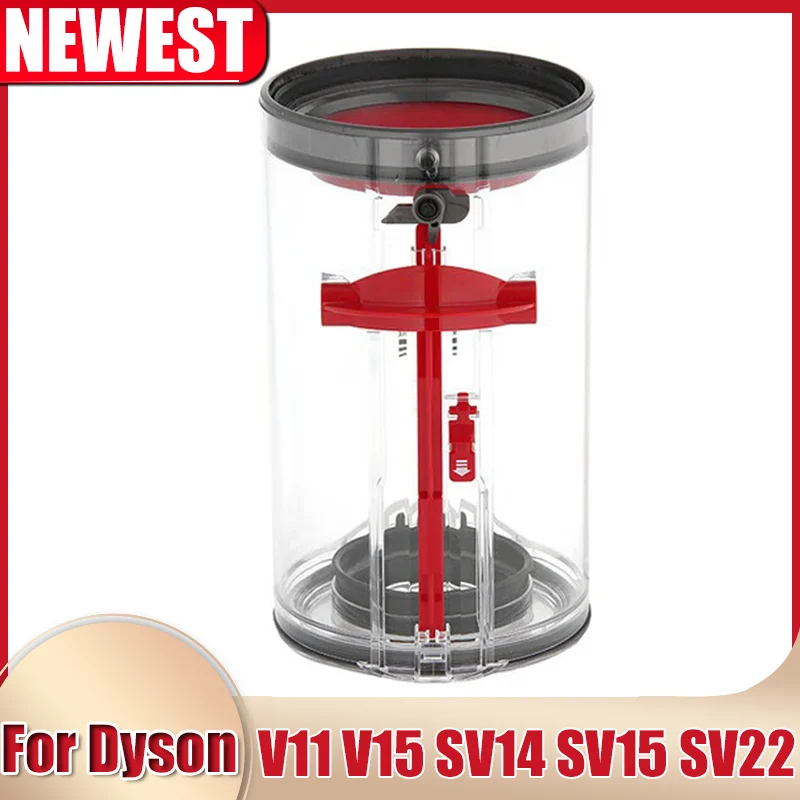
The visible component is a clear plastic dust bin, featuring the characteristic red internal cyclone assembly and a black top rim. This design is immediately recognizable to Dyson owners. The clear construction allows for easy monitoring of dust levels. It is a direct visual match for the original part.
This transparency implies a user-friendly experience, enabling quick assessment of when the bin requires emptying. Without this visual cue, users might operate the vacuum with an overfilled bin, leading to reduced efficiency and potential strain on the motor. Regular emptying is key. The clear material also allows for visual inspection of the internal cyclone for blockages or damage.
Unlike opaque dust bins found on many generic vacuum cleaners, the clear design of Dyson's system, replicated here, provides an immediate operational feedback loop. This visual confirmation of dirt collection and bin status is a significant advantage, promoting better maintenance habits and ensuring consistent cleaning power. It prevents guesswork.
This replacement dust bin is explicitly stated to be compatible with Dyson V11, V15, SV14, SV15, and SV22 vacuum cleaners. The images show precise dimensions: 19.6 cm in height and 11.5 cm in diameter, specifically noted as suitable for the V11 Large Bin. This exact sizing is critical.
Accurate dimensions ensure a proper seal and secure attachment to the vacuum's main body. An ill-fitting bin can lead to air leaks, significantly compromising suction power and allowing fine dust to escape back into the environment. This defeats the purpose of a high-performance vacuum. The stated compatibility simplifies the selection process for owners of these specific Dyson models.
Many aftermarket parts struggle with precise fitment, often leading to frustrating installation experiences or suboptimal performance. This product's emphasis on exact dimensions and specific model compatibility positions it as a reliable alternative to potentially more expensive OEM parts, offering peace of mind to the DIY repairer. It saves time and effort.
The product is presented as a replacement part, empowering users to perform their own repairs. The visual simplicity of the component suggests a straightforward installation process, likely involving a few clips or screws. This encourages self-sufficiency.
For a Dyson owner, the ability to replace a damaged dust bin independently translates into significant cost savings compared to professional repair services or purchasing an entirely new vacuum. This DIY approach extends the product's life, aligning with sustainable consumption practices. It is a smart investment.
Compared to the daunting prospect of diagnosing complex internal electronic failures, replacing a physical component like a dust bin is a manageable task for most individuals with basic tool knowledge. This accessibility makes high-end vacuum maintenance less intimidating and more practical for the average homeowner. It builds confidence.
The dust bin appears to be constructed from a durable, clear polycarbonate plastic, a common material choice for vacuum components due to its impact resistance and transparency. The red internal components, likely ABS plastic, form the cyclone mechanism. These materials are chosen for a reason.
Polycarbonate offers excellent clarity and strength, resisting cracks from minor impacts or the stresses of daily use and emptying. The internal ABS components provide rigidity for the intricate cyclonic structure, which is subjected to constant airflow and debris. Material selection directly impacts longevity.
Unlike cheaper, more brittle plastics that can crack or yellow over time, the implied material quality here suggests a component designed to withstand the rigors of vacuuming. This choice of robust plastics is essential for maintaining the vacuum's sealed system and preventing premature failure, a common complaint with inferior replacement parts. It ensures lasting performance.
The prominent red internal structure is the core of Dyson's cyclonic separation technology. This multi-cone design is engineered to create powerful centrifugal forces, effectively separating dust and debris from the airflow. This is a critical function.
Effective cyclonic action ensures that fine dust particles are efficiently removed from the air stream before they reach the filter, preventing premature filter clogging and maintaining consistent suction power. A compromised cyclone assembly would lead to reduced efficiency and increased filter maintenance. The system works hard.
Many budget vacuum cleaners rely on simpler filtration systems that quickly lose efficiency as filters become saturated. The sophisticated cyclonic design, even in a replacement part, highlights the engineering commitment to sustained performance, a hallmark of Dyson products. This technology is a differentiator.
The designation as a "Large Bin" is significant, especially for Dyson V11 owners. The V11 series was available with both large and small bins, and selecting the correct size is paramount for proper fitment. The image clearly shows the larger dimensions.
A larger bin capacity means less frequent emptying during cleaning sessions, which is a considerable convenience for users with larger homes or those who tackle extensive cleaning tasks. This reduces interruptions and improves workflow efficiency. It enhances user experience.
Conversely, a smaller bin would necessitate more frequent trips to the trash, breaking the cleaning rhythm. For users accustomed to the original large bin, this replacement ensures continuity in their cleaning routine, preventing the frustration of a constantly full canister. This maintains productivity.
Opting for a replacement dust bin instead of a new vacuum cleaner represents a sound economic decision for many consumers. The cost of this single component is a fraction of the price of a new Dyson V11 or V15. This is a cost-effective choice.
Beyond the immediate financial savings, the act of repairing a high-value appliance like a Dyson vacuum contributes to a more sustainable consumption model. It reduces electronic waste and extends the useful life of existing products, lessening environmental impact. Repair is responsible.
In a market often driven by planned obsolescence, the availability of quality replacement parts empowers consumers to resist the cycle of constant upgrades. This product supports the philosophy of repairability, allowing users to maintain their investment rather than discard it prematurely. It's a smart long-term strategy.
While the installation of a dust bin is generally straightforward, proper technique is essential to ensure a secure fit and optimal performance. Users should consult their vacuum's manual for specific removal and installation instructions. Careful handling is advised.
Before installing the new bin, it is prudent to inspect the vacuum's main body for any residual dust or debris around the connection points. Cleaning these areas ensures a tight seal and prevents new dust from interfering with the bin's attachment. A clean connection is vital.
After installation, a quick test run of the vacuum can confirm proper function and the absence of air leaks. Listening for unusual noises or feeling for reduced suction can indicate an improper fit, requiring re-evaluation of the installation steps. Verification is important.
To maximize the lifespan of this replacement dust bin, regular cleaning is recommended. The clear plastic can be wiped down with a damp cloth, and the internal components can be rinsed if necessary, ensuring they are completely dry before reassembly. This prevents residue buildup.
Avoiding harsh chemical cleaners is important, as these can degrade the plastic over time, leading to clouding or brittleness. Gentle soap and water are usually sufficient for maintaining cleanliness without compromising material integrity. Simple cleaning works best.
Regular inspection for any signs of wear, such as hairline cracks or issues with the latch mechanism, can help in proactive maintenance. Addressing minor issues early can prevent larger problems and ensure the vacuum continues to operate at its best. Vigilance pays off.
Imagine the satisfaction of restoring your high-performance Dyson vacuum to its original glory, effortlessly tackling household dust and debris with renewed suction power. This replacement dust bin ensures your cleaning routine remains efficient and uninterrupted, allowing you to maintain a pristine home without the expense of a brand-new unit. It's a testament to practical, sustainable home maintenance, keeping your trusted appliance running smoothly for years to come. You will appreciate the renewed performance.
Restoring Suction Integrity
The visible component is a clear plastic dust bin, featuring the characteristic red internal cyclone assembly and a black top rim. This design is immediately recognizable to Dyson owners. The clear construction allows for easy monitoring of dust levels. It is a direct visual match for the original part.
This transparency implies a user-friendly experience, enabling quick assessment of when the bin requires emptying. Without this visual cue, users might operate the vacuum with an overfilled bin, leading to reduced efficiency and potential strain on the motor. Regular emptying is key. The clear material also allows for visual inspection of the internal cyclone for blockages or damage.
Unlike opaque dust bins found on many generic vacuum cleaners, the clear design of Dyson's system, replicated here, provides an immediate operational feedback loop. This visual confirmation of dirt collection and bin status is a significant advantage, promoting better maintenance habits and ensuring consistent cleaning power. It prevents guesswork.
Precision Fitment for Dyson Ecosystems
This replacement dust bin is explicitly stated to be compatible with Dyson V11, V15, SV14, SV15, and SV22 vacuum cleaners. The images show precise dimensions: 19.6 cm in height and 11.5 cm in diameter, specifically noted as suitable for the V11 Large Bin. This exact sizing is critical.
Accurate dimensions ensure a proper seal and secure attachment to the vacuum's main body. An ill-fitting bin can lead to air leaks, significantly compromising suction power and allowing fine dust to escape back into the environment. This defeats the purpose of a high-performance vacuum. The stated compatibility simplifies the selection process for owners of these specific Dyson models.
Many aftermarket parts struggle with precise fitment, often leading to frustrating installation experiences or suboptimal performance. This product's emphasis on exact dimensions and specific model compatibility positions it as a reliable alternative to potentially more expensive OEM parts, offering peace of mind to the DIY repairer. It saves time and effort.
The DIYer's Advantage in Maintenance
The product is presented as a replacement part, empowering users to perform their own repairs. The visual simplicity of the component suggests a straightforward installation process, likely involving a few clips or screws. This encourages self-sufficiency.
For a Dyson owner, the ability to replace a damaged dust bin independently translates into significant cost savings compared to professional repair services or purchasing an entirely new vacuum. This DIY approach extends the product's life, aligning with sustainable consumption practices. It is a smart investment.
Compared to the daunting prospect of diagnosing complex internal electronic failures, replacing a physical component like a dust bin is a manageable task for most individuals with basic tool knowledge. This accessibility makes high-end vacuum maintenance less intimidating and more practical for the average homeowner. It builds confidence.
Material Science and Structural Integrity
The dust bin appears to be constructed from a durable, clear polycarbonate plastic, a common material choice for vacuum components due to its impact resistance and transparency. The red internal components, likely ABS plastic, form the cyclone mechanism. These materials are chosen for a reason.
Polycarbonate offers excellent clarity and strength, resisting cracks from minor impacts or the stresses of daily use and emptying. The internal ABS components provide rigidity for the intricate cyclonic structure, which is subjected to constant airflow and debris. Material selection directly impacts longevity.
Unlike cheaper, more brittle plastics that can crack or yellow over time, the implied material quality here suggests a component designed to withstand the rigors of vacuuming. This choice of robust plastics is essential for maintaining the vacuum's sealed system and preventing premature failure, a common complaint with inferior replacement parts. It ensures lasting performance.
The Cyclonic Separation Mechanism
The prominent red internal structure is the core of Dyson's cyclonic separation technology. This multi-cone design is engineered to create powerful centrifugal forces, effectively separating dust and debris from the airflow. This is a critical function.
Effective cyclonic action ensures that fine dust particles are efficiently removed from the air stream before they reach the filter, preventing premature filter clogging and maintaining consistent suction power. A compromised cyclone assembly would lead to reduced efficiency and increased filter maintenance. The system works hard.
Many budget vacuum cleaners rely on simpler filtration systems that quickly lose efficiency as filters become saturated. The sophisticated cyclonic design, even in a replacement part, highlights the engineering commitment to sustained performance, a hallmark of Dyson products. This technology is a differentiator.
Understanding Bin Capacity and Its Impact
The designation as a "Large Bin" is significant, especially for Dyson V11 owners. The V11 series was available with both large and small bins, and selecting the correct size is paramount for proper fitment. The image clearly shows the larger dimensions.
A larger bin capacity means less frequent emptying during cleaning sessions, which is a considerable convenience for users with larger homes or those who tackle extensive cleaning tasks. This reduces interruptions and improves workflow efficiency. It enhances user experience.
Conversely, a smaller bin would necessitate more frequent trips to the trash, breaking the cleaning rhythm. For users accustomed to the original large bin, this replacement ensures continuity in their cleaning routine, preventing the frustration of a constantly full canister. This maintains productivity.
The Economics of Repair Versus Replacement
Opting for a replacement dust bin instead of a new vacuum cleaner represents a sound economic decision for many consumers. The cost of this single component is a fraction of the price of a new Dyson V11 or V15. This is a cost-effective choice.
Beyond the immediate financial savings, the act of repairing a high-value appliance like a Dyson vacuum contributes to a more sustainable consumption model. It reduces electronic waste and extends the useful life of existing products, lessening environmental impact. Repair is responsible.
In a market often driven by planned obsolescence, the availability of quality replacement parts empowers consumers to resist the cycle of constant upgrades. This product supports the philosophy of repairability, allowing users to maintain their investment rather than discard it prematurely. It's a smart long-term strategy.
Installation Considerations and Best Practices
While the installation of a dust bin is generally straightforward, proper technique is essential to ensure a secure fit and optimal performance. Users should consult their vacuum's manual for specific removal and installation instructions. Careful handling is advised.
Before installing the new bin, it is prudent to inspect the vacuum's main body for any residual dust or debris around the connection points. Cleaning these areas ensures a tight seal and prevents new dust from interfering with the bin's attachment. A clean connection is vital.
After installation, a quick test run of the vacuum can confirm proper function and the absence of air leaks. Listening for unusual noises or feeling for reduced suction can indicate an improper fit, requiring re-evaluation of the installation steps. Verification is important.
Long-Term Care and Maintenance
To maximize the lifespan of this replacement dust bin, regular cleaning is recommended. The clear plastic can be wiped down with a damp cloth, and the internal components can be rinsed if necessary, ensuring they are completely dry before reassembly. This prevents residue buildup.
Avoiding harsh chemical cleaners is important, as these can degrade the plastic over time, leading to clouding or brittleness. Gentle soap and water are usually sufficient for maintaining cleanliness without compromising material integrity. Simple cleaning works best.
Regular inspection for any signs of wear, such as hairline cracks or issues with the latch mechanism, can help in proactive maintenance. Addressing minor issues early can prevent larger problems and ensure the vacuum continues to operate at its best. Vigilance pays off.
Imagine the satisfaction of restoring your high-performance Dyson vacuum to its original glory, effortlessly tackling household dust and debris with renewed suction power. This replacement dust bin ensures your cleaning routine remains efficient and uninterrupted, allowing you to maintain a pristine home without the expense of a brand-new unit. It's a testament to practical, sustainable home maintenance, keeping your trusted appliance running smoothly for years to come. You will appreciate the renewed performance.