E-Simpo SH1.0 JST Connector Cables (2-12 Pin, 10-30cm, 28AWG)
Official Store Deal
Expert Analysis Overview
The E-Simpo SH1.0 JST Connector Cables are essential miniature wiring harnesses engineered for precise, low-current signal and power transmission in compact electronic assemblies. These pre-assembled cables address the common frustration of unreliable hand-crimped connections and the time-consuming process of creating custom wiring, offering a streamlined, dependable solution for electronics repair and prototyping.
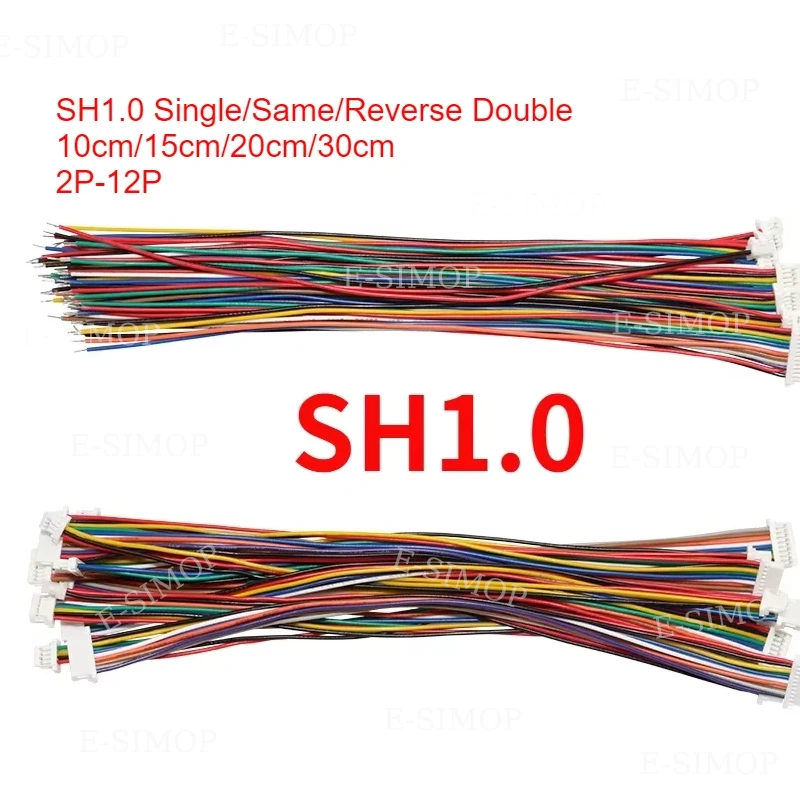
The visible product images display bundles of multi-colored wires terminated with white SH1.0 JST connectors. These connectors adhere to the 1.0mm pitch standard, a critical dimension for integration into highly miniaturized electronic devices. The small pitch allows for high-density wiring in confined spaces, a common requirement in modern consumer electronics, drones, and hobbyist projects.
This miniaturization directly translates to the capability to repair or build devices where larger connectors simply cannot fit. Imagine working on a compact drone flight controller or a small IoT sensor board. The SH1.0 form factor becomes indispensable. It allows for intricate wiring without adding bulk.
Compared to larger pitch connectors like JST-XH or DuPont, the SH1.0 series offers a significant footprint reduction. This is not merely an aesthetic choice; it is a functional necessity for many contemporary electronic designs. Space is often the most constrained resource.
The cables are specified as 28AWG (American Wire Gauge). This gauge indicates a relatively thin wire, suitable for low-current applications. The thinness contributes to the overall flexibility and small form factor of the cable assemblies.
For signal transmission, 28AWG is generally excellent, minimizing signal degradation over short distances. However, its current carrying capacity is limited. Users must consider the maximum current draw of their application to prevent overheating or voltage drop, particularly for power lines. This is a crucial design parameter.
Unlike heavier gauge wires that might be mechanically robust but difficult to route in tight enclosures, the 28AWG wire offers superior flexibility. This flexibility simplifies installation and reduces strain on solder pads or connector pins. It bends easily.
The product offers three distinct wiring configurations: single-head, same-direction double-head, and reverse-direction double-head. The single-head option provides a pre-terminated connector on one end with bare wires on the other, ideal for soldering directly to PCBs or custom terminals. This offers maximum flexibility.
Same-direction double-head cables feature identical pinouts on both ends. This configuration is standard for extending existing connections or creating direct, one-to-one links between compatible boards or modules. It simplifies plug-and-play integration.
Reverse-direction double-head cables, conversely, have a mirrored pinout. Pin 1 on one connector connects to the last pin on the other, and so forth. This is specifically useful for certain serial communication protocols or specific hardware interfaces that require a cross-over connection. Understanding this distinction is vital for proper circuit functionality.
The available pin counts range from 2-pin to 12-pin. This wide range accommodates various interface requirements, from simple power and ground connections (2-pin) to more complex multi-sensor arrays or control signals (up to 12-pin). The versatility is a key advantage.
For instance, a 2-pin connector might power a small fan or LED, while a 6-pin connector could handle an I2C bus with additional power and interrupt lines. The choice of pin count directly impacts the complexity of the interface. This adaptability streamlines component selection.
Compared to purchasing individual connectors and crimp pins, these pre-assembled cables eliminate the need for specialized crimping tools and the associated learning curve. This significantly reduces assembly time and potential errors for projects requiring multiple connections. Time savings are substantial.
While direct tactile assessment is not possible, the visual consistency of the crimps and connector housings suggests a standard level of manufacturing quality. The white plastic housings appear to be a common nylon or similar polymer, offering reasonable mechanical strength for repeated insertions and removals.
Long-term reliability of these connections hinges on several factors, including the quality of the crimp, the material properties of the wire, and the environmental conditions. Factory crimps typically offer better consistency than manual crimps. The connections should hold up well under normal operating conditions.
Unlike flimsy, generic connectors that can easily detach or suffer from intermittent contact, the JST SH1.0 series is known for its relatively secure locking mechanism, often providing a satisfying click upon insertion. This helps prevent accidental disconnections due to vibration or minor tugs. A secure connection is paramount.
These cables offer significant value by allowing users to fix expensive equipment with affordable, readily available components. Instead of replacing an entire PCB due to a damaged connector or wire, these assemblies provide a targeted repair solution. This reduces repair costs dramatically.
Ensuring clean signal transmission is paramount in sensitive electronic circuits. The consistent wiring and proper termination of these cables help maintain signal integrity, preventing noise or data corruption that can plague poorly assembled connections. A stable signal is critical for performance.
Assessing the long-term reliability of connections is a continuous challenge in electronics. Using pre-fabricated, standardized components like these JST SH1.0 cables introduces a known level of quality and consistency, which contributes to the overall robustness and longevity of the repaired or built device. This minimizes future failures.
Imagine completing a complex electronics project, confident that every connection is solid, every signal path is clear, and every component is performing as intended. These E-Simpo SH1.0 JST connector cables provide that foundational reliability, allowing you to focus on the innovation and functionality of your design rather than troubleshooting intermittent wiring issues. They empower precise, dependable electronic construction, ensuring your creations operate flawlessly from the outset. This is the peace of mind these components deliver.
Precision Engineering for Miniature Connections
The visible product images display bundles of multi-colored wires terminated with white SH1.0 JST connectors. These connectors adhere to the 1.0mm pitch standard, a critical dimension for integration into highly miniaturized electronic devices. The small pitch allows for high-density wiring in confined spaces, a common requirement in modern consumer electronics, drones, and hobbyist projects.
This miniaturization directly translates to the capability to repair or build devices where larger connectors simply cannot fit. Imagine working on a compact drone flight controller or a small IoT sensor board. The SH1.0 form factor becomes indispensable. It allows for intricate wiring without adding bulk.
Compared to larger pitch connectors like JST-XH or DuPont, the SH1.0 series offers a significant footprint reduction. This is not merely an aesthetic choice; it is a functional necessity for many contemporary electronic designs. Space is often the most constrained resource.
Wiring Integrity and Gauge Considerations
The cables are specified as 28AWG (American Wire Gauge). This gauge indicates a relatively thin wire, suitable for low-current applications. The thinness contributes to the overall flexibility and small form factor of the cable assemblies.
For signal transmission, 28AWG is generally excellent, minimizing signal degradation over short distances. However, its current carrying capacity is limited. Users must consider the maximum current draw of their application to prevent overheating or voltage drop, particularly for power lines. This is a crucial design parameter.
Unlike heavier gauge wires that might be mechanically robust but difficult to route in tight enclosures, the 28AWG wire offers superior flexibility. This flexibility simplifies installation and reduces strain on solder pads or connector pins. It bends easily.
Connection Modalities for Diverse Applications
The product offers three distinct wiring configurations: single-head, same-direction double-head, and reverse-direction double-head. The single-head option provides a pre-terminated connector on one end with bare wires on the other, ideal for soldering directly to PCBs or custom terminals. This offers maximum flexibility.
Same-direction double-head cables feature identical pinouts on both ends. This configuration is standard for extending existing connections or creating direct, one-to-one links between compatible boards or modules. It simplifies plug-and-play integration.
Reverse-direction double-head cables, conversely, have a mirrored pinout. Pin 1 on one connector connects to the last pin on the other, and so forth. This is specifically useful for certain serial communication protocols or specific hardware interfaces that require a cross-over connection. Understanding this distinction is vital for proper circuit functionality.
Pin Count Versatility
The available pin counts range from 2-pin to 12-pin. This wide range accommodates various interface requirements, from simple power and ground connections (2-pin) to more complex multi-sensor arrays or control signals (up to 12-pin). The versatility is a key advantage.
For instance, a 2-pin connector might power a small fan or LED, while a 6-pin connector could handle an I2C bus with additional power and interrupt lines. The choice of pin count directly impacts the complexity of the interface. This adaptability streamlines component selection.
Compared to purchasing individual connectors and crimp pins, these pre-assembled cables eliminate the need for specialized crimping tools and the associated learning curve. This significantly reduces assembly time and potential errors for projects requiring multiple connections. Time savings are substantial.
Durability and Reliability Assessment
While direct tactile assessment is not possible, the visual consistency of the crimps and connector housings suggests a standard level of manufacturing quality. The white plastic housings appear to be a common nylon or similar polymer, offering reasonable mechanical strength for repeated insertions and removals.
Long-term reliability of these connections hinges on several factors, including the quality of the crimp, the material properties of the wire, and the environmental conditions. Factory crimps typically offer better consistency than manual crimps. The connections should hold up well under normal operating conditions.
Unlike flimsy, generic connectors that can easily detach or suffer from intermittent contact, the JST SH1.0 series is known for its relatively secure locking mechanism, often providing a satisfying click upon insertion. This helps prevent accidental disconnections due to vibration or minor tugs. A secure connection is paramount.
Value Proposition for Electronics Enthusiasts and Professionals
These cables offer significant value by allowing users to fix expensive equipment with affordable, readily available components. Instead of replacing an entire PCB due to a damaged connector or wire, these assemblies provide a targeted repair solution. This reduces repair costs dramatically.
Ensuring clean signal transmission is paramount in sensitive electronic circuits. The consistent wiring and proper termination of these cables help maintain signal integrity, preventing noise or data corruption that can plague poorly assembled connections. A stable signal is critical for performance.
Assessing the long-term reliability of connections is a continuous challenge in electronics. Using pre-fabricated, standardized components like these JST SH1.0 cables introduces a known level of quality and consistency, which contributes to the overall robustness and longevity of the repaired or built device. This minimizes future failures.
Imagine completing a complex electronics project, confident that every connection is solid, every signal path is clear, and every component is performing as intended. These E-Simpo SH1.0 JST connector cables provide that foundational reliability, allowing you to focus on the innovation and functionality of your design rather than troubleshooting intermittent wiring issues. They empower precise, dependable electronic construction, ensuring your creations operate flawlessly from the outset. This is the peace of mind these components deliver.