EARU Modular DIN Rail AC Contactor
Official Store Deal
Expert Analysis Overview
Precision Switching for Renewable Energy Systems
The EARU Modular DIN Rail AC Contactor is a robust electrical switching device engineered for efficient and reliable control of alternating current (AC) loads in residential and light commercial applications. This essential component is designed for solar energy hobbyists and system integrators focused on building self-sustaining energy systems, offering critical functionality for managing power flow from inverters to various household circuits. Its modular design and DIN rail compatibility make it an ideal choice for organized and scalable electrical panel installations.
Core Functionality and Solar Integration
At its core, this contactor facilitates the automated switching of AC circuits. It serves as a crucial interface between the solar inverter's AC output and the loads within a home or facility. The modular contactor ensures consistent power delivery.
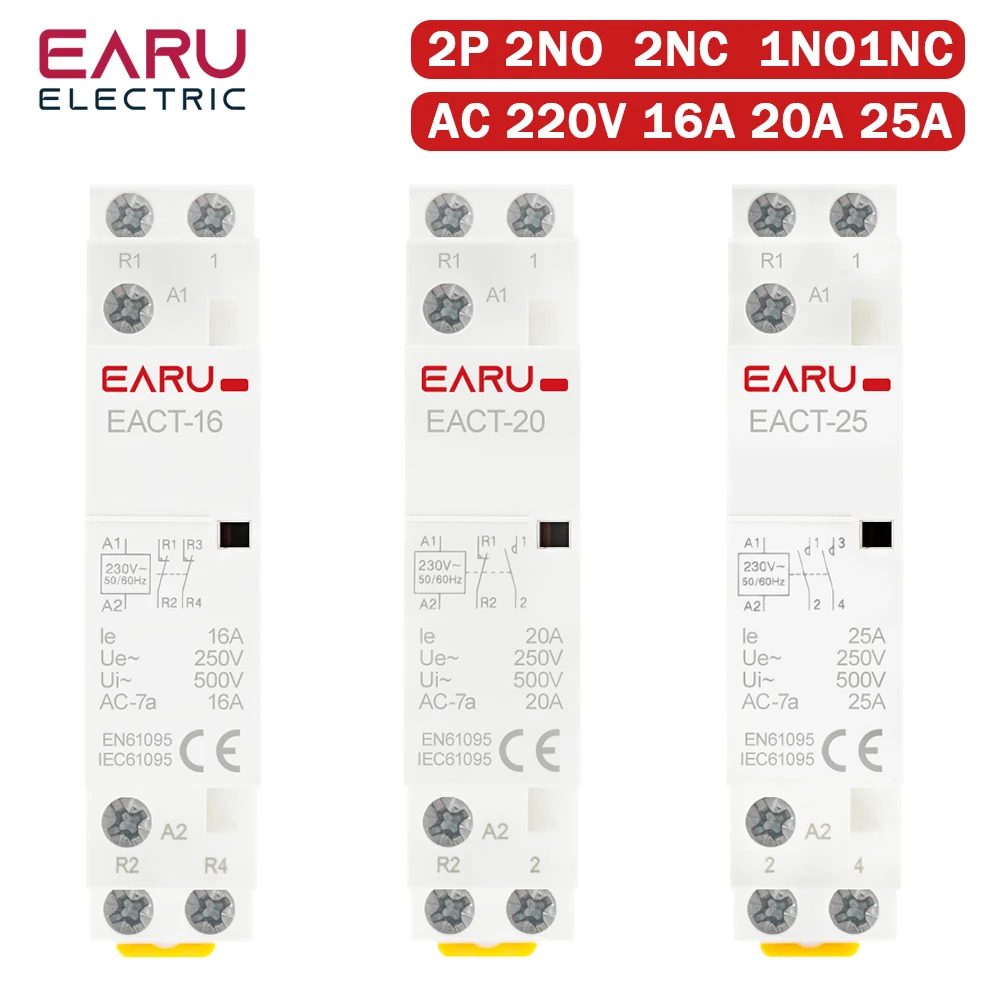
These devices are available in various contact configurations, specifically 1NO1NC (one Normally Open, one Normally Closed), 2NO (two Normally Open), and 2NC (two Normally Closed) pole options. This versatility allows for precise control logic within a solar setup, such as automatically connecting or disconnecting specific loads based on power availability or time-of-day tariffs. A simple device, yet powerful.
Unlike manual circuit breakers or less robust relays, these contactors are designed for frequent, automated operation, which is common in dynamic solar energy management systems. They provide a reliable means to isolate or connect circuits, essential for grid-tie systems with battery backup or purely off-grid installations where load shedding might be necessary. This capability allows for sophisticated energy management strategies.
Robust Electrical Endurance for Longevity
Durability is paramount for components within a renewable energy system, where continuous operation is expected. The EARU contactor boasts an impressive electrical endurance of 100,000 cycles. This metric signifies the number of times the device can reliably switch on and off under its rated electrical load before significant wear or failure occurs.
For a solar energy system, this high cycle rating translates directly into long-term reliability and reduced maintenance requirements. Consider a scenario where a contactor is used to switch a non-essential load (like a water heater or EV charger) based on solar production or battery state of charge; such loads might be switched multiple times daily. The contactor handles this with ease.
Compared to general-purpose relays or manual switches, which may have significantly lower cycle ratings, this contactor offers superior longevity for automated applications. Its robust construction ensures that the internal contacts can withstand the electrical arcing and mechanical stresses associated with repeated switching. This translates to fewer replacements over the lifespan of a solar installation, providing a better return on investment for the system owner. Reliability is a key factor.
Seamless Integration and Compact Design
The physical integration of electrical components into an existing or new panel is a critical consideration for any solar energy hobbyist. This modular AC contactor is specifically designed for 35mm DIN rail mounting. This standard mounting method ensures quick, secure, and organized installation within electrical enclosures, promoting a clean and professional appearance for the entire system.
The compact dimensions of the contactor, particularly its single-module width (18mm for the main body), are highly advantageous. This slim profile conserves valuable space within crowded electrical distribution boards. Panel space is often at a premium.
In contrast to bulkier industrial contactors, which might occupy multiple module slots, these EARU units allow for more components to be fitted into a standard consumer unit. This space efficiency is particularly beneficial for smart home or hotel installations where multiple circuits need to be controlled without requiring oversized electrical panels. The design simplifies system expansion.
Voltage and Current Management in AC Circuits
Understanding the electrical specifications is fundamental to ensuring compatibility and safety within a solar power setup. These contactors are rated for AC 220V/230V operation at 50/60Hz, aligning perfectly with standard residential power grids and the output of most modern solar inverters. The voltage compatibility is crucial.
Available in current ratings of 16A, 20A, and 25A, these devices can handle a range of typical household loads. For instance, a 16A contactor might control lighting circuits or smaller appliances, while a 25A unit could manage larger loads such as air conditioning units or electric vehicle charging points, provided they fall within the specified current limits. Proper sizing prevents overload.
When designing a solar system, verifying compatibility with existing solar setups involves matching the contactor's current rating to the anticipated load. Undersized contactors risk overheating and failure, while oversized units add unnecessary cost and bulk. The selection process ensures optimal performance and safety, preventing efficiency losses due to inadequate components. This precision is vital for system integrity.
Operational Reliability in Diverse Climates
Environmental conditions can significantly impact the performance and lifespan of electrical components. The EARU contactor is specified with an operating temperature range of -5°C to +60°C. This broad range ensures reliable operation in typical indoor environments, including utility rooms, basements, or enclosed outdoor panels, where temperatures can fluctuate. Temperature stability is important.
Furthermore, the device has a Pollution Degree 2 rating. This classification indicates that it is suitable for environments where only non-conductive pollution occurs, with temporary conductivity caused by condensation. This is typical for most residential and commercial indoor electrical installations, where dust and general atmospheric particles are present but not conductive contaminants. Protection from elements is key.
For solar installations, especially those in regions with significant seasonal temperature variations, knowing these parameters helps in selecting appropriate enclosures and installation locations. While the contactor itself is not designed for direct outdoor exposure (due to its IP20 rating, discussed later), its specified operating range ensures it will function correctly within a protected environment. This prevents premature component degradation, maintaining system efficiency over time. Environmental resilience adds value.
Safety and Compliance Standards
Electrical safety is non-negotiable, particularly when dealing with power generation and distribution. This contactor carries CE approval. This certification signifies that the product meets the European Union's safety, health, and environmental protection requirements, providing assurance of its quality and adherence to recognized standards. Compliance offers peace of mind.
The insulation voltage (Ui) is rated at 500VAC, indicating the maximum voltage the insulation can withstand without breaking down. This high insulation level provides a significant safety margin for 220V/230V systems, reducing the risk of electrical breakdown and short circuits. Robust insulation is a safety feature.
With an IP20 degree of protection (IEC 61095), the contactor is protected against solid objects larger than 12.5mm, but it offers no protection against liquids. This rating reinforces its suitability for installation within a protective enclosure, away from direct exposure to water or excessive dust. For solar hobbyists, understanding these ratings is crucial for designing a safe and compliant system, ensuring all components are adequately protected. Safety is always paramount.
The Indication Window: A Visual Diagnostic Tool
Modern electrical systems, particularly those integrating renewable energy, can become complex. The inclusion of an indication window on the EARU contactor provides a simple yet effective diagnostic tool. This small window visually confirms the operational status of the contactor. Status at a glance is helpful.
When the contactor's coil is energized and the main contacts are closed, the indication window will typically display a visible marker, often red or green. This allows for quick, non-invasive verification of whether the contactor is actively switching power. This visual feedback is invaluable for troubleshooting or simply confirming system operation without needing to use a multimeter. It streamlines maintenance checks.
In a solar energy setup, where multiple contactors might be used for load management or transfer switching, the ability to quickly ascertain the status of each device can save significant time during fault finding. Unlike contactors without this feature, which might require more intrusive testing, the indication window simplifies system monitoring. This enhances overall system manageability, a key benefit for complex installations. Immediate feedback is provided.
Optimizing Power Flow: The Contactor's Role in Efficiency
While contactors do not directly generate or store energy, their reliable operation contributes significantly to the overall efficiency and stability of a solar power system. A well-functioning contactor minimizes contact resistance. This reduces power losses.
When contacts switch, there's a momentary arc. High-quality contactors like the EARU series are designed to manage this arcing effectively, preventing excessive wear and ensuring clean, low-resistance connections over time. Poor contact quality or excessive arcing can lead to increased resistance, generating heat and wasting energy, thereby reducing the system's effective conversion efficiency. Every watt counts in solar.
By providing a consistent and low-resistance path for current flow, these contactors help maintain the efficiency calculated for the solar panels and inverter. They prevent unnecessary energy dissipation at the switching point, ensuring that the maximum possible power reaches the connected loads. This indirect contribution to efficiency is a critical, often overlooked, aspect of component selection for any high-performance energy system. Long-term performance is secured.
Building Your Autonomous Energy Future
Imagine a home where your energy use is seamlessly managed, with power flowing efficiently from your solar panels to your appliances, all controlled by reliable, intelligent components. The EARU Modular DIN Rail AC Contactor empowers solar energy hobbyists to build such autonomous energy systems. These contactors provide the foundational reliability needed for automated load management, ensuring that your renewable energy investment performs optimally for years to come. Installing these robust, CE-approved contactors means you are investing in the stability and efficiency of your energy future, allowing you to fine-tune your power distribution with confidence and precision. Your system will operate flawlessly.