Eco-Quiet 6-Blade Heat Powered Stove Fan
Official Store Deal
Expert Analysis Overview
Optimizing Indoor Thermal Distribution with Passive Technology
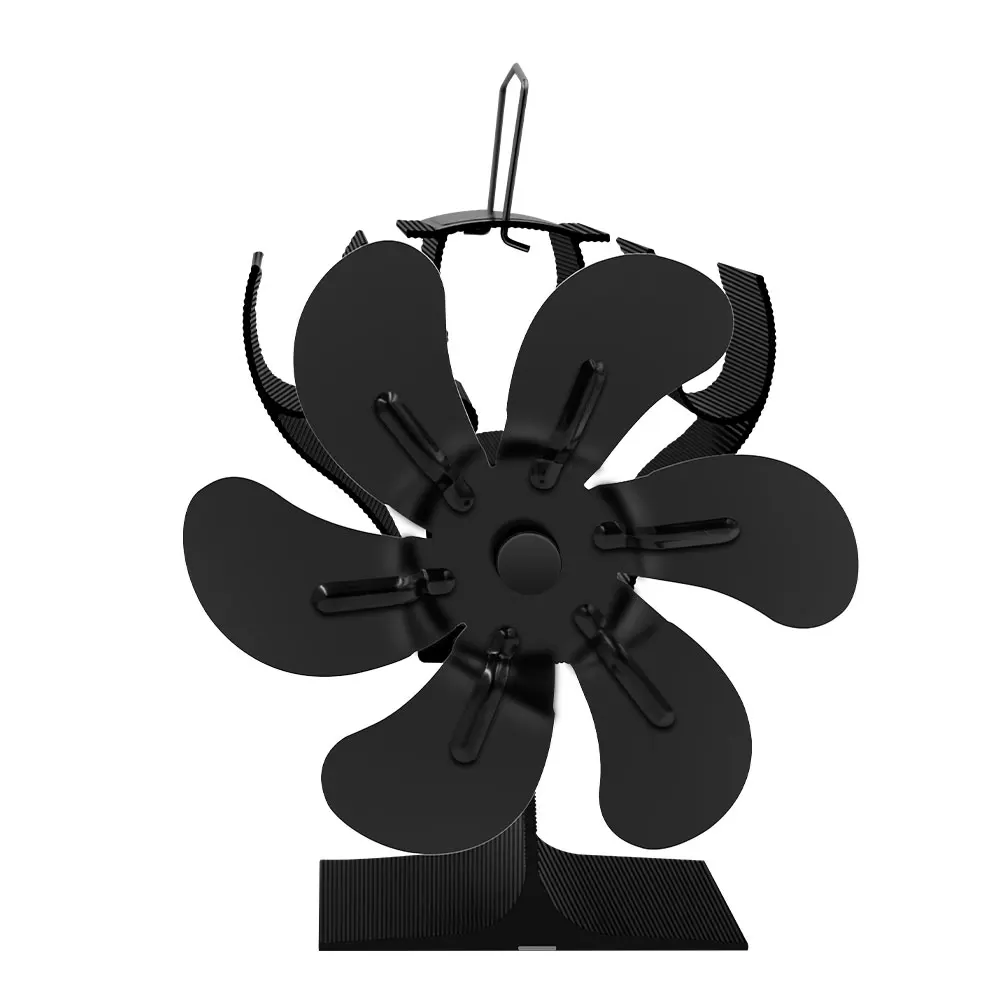
The Eco-Quiet 6-Blade Heat Powered Stove Fan is a thermally activated air circulation device designed for environments utilizing wood-burning stoves, fireplaces, or other heat-generating appliances. This fan operates entirely on thermoelectric principles, converting heat energy directly into kinetic energy to drive its blades. It requires no external power source. This makes it an ideal solution for off-grid heating or simply reducing electricity consumption. The fan's primary function is to redistribute warm air more effectively throughout a room, addressing the common issue of heat stratification where warm air rises and accumulates near the ceiling while lower areas remain cooler.
From an air quality perspective, while this device does not filter air, its role in promoting more even heat distribution is significant. Consistent room temperatures can mitigate conditions conducive to mold and mildew growth in colder, damp corners. It helps maintain a balanced thermal environment. This passive circulation can reduce the reliance on secondary, often electrically powered, fans or heaters that might circulate dust or introduce additional noise. The fan's quiet operation further contributes to a serene indoor atmosphere, avoiding the auditory pollution associated with many active air movers.
The Thermoelectric Principle: Silent Efficiency
The core of this stove fan's operation lies in its thermoelectric generator (TEG) module, often referred to as a Peltier module. This component harnesses the Seebeck effect, where a temperature difference across two dissimilar semiconductors generates an electric current. The fan's base, positioned on a hot stove surface, heats one side of the TEG, while the fan's fins and ambient air cool the other side. This temperature differential is crucial. It powers a small motor that rotates the six blades.
This self-sustaining mechanism eliminates the need for batteries or a power cord. It is a truly independent device. Unlike electric fans that consume energy and contribute to utility bills, this unit transforms otherwise wasted heat into useful air movement. The absence of electrical components also means fewer potential points of failure related to wiring or power surges, enhancing its long-term reliability. Its simplicity is a strength.
Compared to traditional electric fans, which require a constant power supply and often produce audible motor noise, the thermoelectric fan offers a distinct advantage in energy independence and quiet operation. Most standard fans draw significant wattage. This fan operates silently. It represents a more sustainable approach to home heating augmentation, particularly for those seeking to minimize their carbon footprint or reduce household energy expenditures.
Blade Design and Airflow Dynamics
The fan features six distinct blades, a design choice that influences its airflow characteristics. More blades can often translate to a smoother, more consistent air movement at lower RPMs compared to fans with fewer blades spinning faster. The blades are constructed from a durable material, likely anodized aluminum, which is resistant to high temperatures and corrosion. This material choice ensures longevity. The curvature and pitch of each blade are engineered to optimize air displacement, pushing warm air horizontally across the room rather than just upwards.
Effective heat distribution is paramount for comfort. Without active circulation, heat from a stove tends to rise directly, leaving areas further away or at lower levels feeling cold. This fan actively pushes that warm air outwards. The fan's design aims to create a gentle, broad airflow. This prevents localized hot spots. It also helps to distribute the heat generated by the stove more evenly, making the entire room feel warmer and more comfortable.
Contrast this with the natural convection of a stove, which relies solely on hot air rising. That process is inefficient for large spaces. This fan acts as a localized air mover. It significantly enhances the reach of the stove's warmth, reducing the temperature differential between different parts of a room. This improves overall heating efficiency and comfort, making the most of your fuel.
Durability and Material Science
Constructed primarily from anodized aluminum, the fan exhibits excellent thermal conductivity and resistance to high temperatures. Aluminum is a lightweight yet robust metal. The anodization process adds a protective oxide layer, enhancing its corrosion resistance and durability, especially in environments exposed to fluctuating temperatures and potential soot. This finish also contributes to the fan's sleek, black aesthetic. It blends seamlessly with most stove designs.
This material choice is critical for a device operating in close proximity to intense heat sources. The fan's base is designed to absorb heat efficiently from the stove surface, transferring it to the TEG module. The blades and upper body are designed to dissipate heat, creating the necessary temperature differential. The integrated handle, likely made of a similar heat-resistant material, allows for safe repositioning when the fan is cool. Always handle with care.
Many low-cost alternatives might use less robust materials that could warp or degrade under sustained high temperatures. This fan's construction suggests a focus on longevity and consistent performance. The use of high-quality aluminum ensures that the fan maintains its structural integrity and aesthetic appeal over many heating seasons, providing reliable service without frequent replacement. It is built to last.
Operational Sound Profile: A Quiet Companion
One of the standout features highlighted is its quiet operation, attributed to a brushless motor and thermoelectric technology. Brushless motors are inherently quieter and more efficient than brushed motors because they eliminate the friction and electrical noise associated with brushes. The thermoelectric power generation itself is silent. This combination results in a fan that moves air without adding noticeable background noise to your living space. Quiet operation is a key benefit.
For many users, the ambiance of a crackling fire is part of the appeal of a wood stove. Introducing a noisy fan would detract from this experience. The Eco-Quiet fan respects this by operating at a very low decibel level, often imperceptible over the natural sounds of a burning fire. This allows for comfortable conversation, reading, or relaxation without the distraction of a whirring fan. It enhances the peaceful environment.
Unlike conventional room fans, which can generate significant white noise or even distracting hums, this stove fan is designed for unobtrusive performance. Its quiet nature means it can run continuously without becoming an annoyance, effectively circulating warm air without compromising the tranquility of your home. This makes it a superior choice for living areas and bedrooms where peace is valued.
Installation and Maintenance Simplicity
Installation of the heat powered stove fan is remarkably straightforward. It requires no assembly or wiring. Users simply place the fan on a flat, hot surface of their wood stove or fireplace insert. The fan begins to operate automatically once the base reaches a sufficient temperature, typically around 50°C (122°F). Optimal performance is achieved at higher temperatures, usually between 80°C and 350°C (176°F
Maintenance is equally minimal. The absence of electrical connections means there are no wires to check or batteries to replace. Periodic dusting of the blades and base is generally sufficient to ensure efficient operation and prevent dust accumulation from hindering airflow or heat transfer. A soft, dry cloth is usually all that is needed. Avoid using abrasive cleaners.
This ease of use and low maintenance profile makes the fan highly accessible to all users, regardless of technical proficiency. It's a plug-and-play (or rather, 'place-and-play') device that integrates effortlessly into an existing heating setup. This simplicity reduces the barrier to entry for improving home heating efficiency, making it an attractive option for anyone seeking a hassle-free solution. It works right out of the box.
Value Proposition: Long-Term Savings and Comfort
The initial investment in a heat powered stove fan is quickly offset by its operational savings and enhanced comfort. By distributing heat more effectively, the fan helps to warm the room faster and more uniformly, potentially reducing the amount of fuel (wood, pellets, etc.) needed to achieve a comfortable temperature. This translates directly into lower heating costs over time. It pays for itself.
Beyond monetary savings, the improved comfort is a significant benefit. No more cold spots or drafts. The gentle circulation of warm air creates a more inviting and cozy atmosphere throughout the entire living space. This enhanced thermal comfort contributes to overall well-being during colder months, making your home a more pleasant place to be. It truly transforms your heating experience.
Considering its durable construction, energy independence, and the tangible benefits of improved heat distribution and comfort, the Eco-Quiet 6-Blade Heat Powered Stove Fan offers substantial long-term value. It's an upgrade from simply relying on passive convection, providing an active solution without the associated energy costs or noise of electric alternatives. This fan is a smart addition for any stove owner. Imagine stepping into a consistently warm room, the gentle hum of the fire the only sound, knowing your heating system is working smarter, not harder. This fan delivers that experience, season after season, making your home a sanctuary of warmth and quiet efficiency.