Flexible Heat-Resistant Silicone Wire for Electronics (12-30AWG)
Official Store Deal
Expert Analysis Overview
The Flexible Heat-Resistant Silicone Wire for Electronics (12-30AWG) is a critical component for electronics repair technicians and hobbyists demanding superior flexibility and thermal resilience in their wiring solutions. This product line offers a comprehensive range of gauges, ensuring suitability for a vast array of applications from delicate signal lines to robust power connections. The inherent properties of silicone insulation, combined with a high strand count tinned copper conductor, position these wires as a significant upgrade over conventional PVC-insulated alternatives, particularly in environments subject to thermal stress or repeated flexing.
This wiring utilizes silicone insulation, a material renowned for its exceptional properties. Silicone maintains its flexibility across an extreme temperature range, far surpassing the capabilities of standard PVC. This pliability is crucial. The insulation resists cracking or becoming brittle even after prolonged exposure to heat or cold, a common failure point for less advanced materials. The conductors are tinned copper, a choice that significantly enhances their longevity and performance. Tinning provides a protective layer against oxidation, which is a primary cause of increased resistance and poor solder joints over time. This ensures a clean signal path.
In practical applications, the material choice directly impacts reliability. For instance, in drone builds or RC vehicles, wires are often routed in tight spaces and subjected to constant vibration and temperature fluctuations. Silicone insulation excels here, preventing insulation fatigue that could lead to short circuits or signal loss. Standard PVC wires, in contrast, would quickly stiffen and crack under such conditions, necessitating frequent replacements. This wire offers enduring performance.
Compared to generic PVC-insulated wire, the silicone variant offers a substantial advantage in durability and operational temperature range. PVC typically has a much lower temperature rating, often around 80-105°C, and becomes rigid at lower temperatures. Silicone, with its 200°C rating, provides a much wider safety margin, making it indispensable for power supplies, heating elements, or any circuit generating significant heat. It simply performs better.
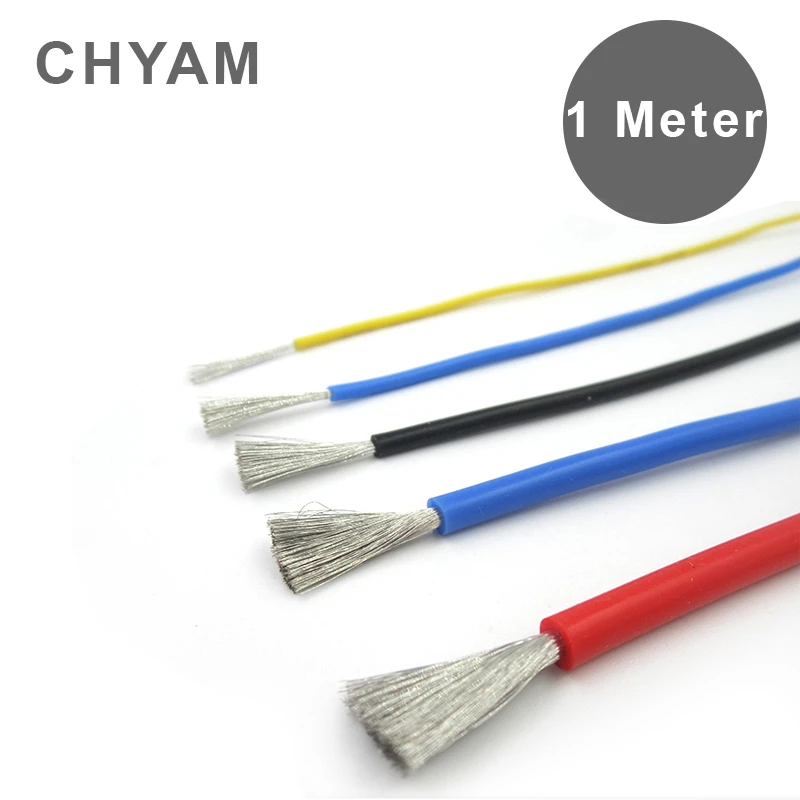
The conductors within these wires feature a multi-strand design. This construction is not merely a detail; it is fundamental to the wire's performance characteristics. Each gauge consists of numerous fine copper strands, twisted together. This configuration dramatically increases the wire's flexibility, allowing it to bend and flex repeatedly without metal fatigue or breakage. It moves with the application.
This high strand count translates directly into enhanced durability and superior current flow. A wire with many fine strands can distribute mechanical stress more effectively than a solid core wire, making it far more resistant to vibration-induced failures. Furthermore, the increased surface area of multiple strands can contribute to better heat dissipation and improved high-frequency signal transmission, reducing skin effect losses. This ensures robust connections.
Unlike solid core wires, which are prone to breaking when bent repeatedly, multi-strand wires are ideal for dynamic applications. Consider robotic arms, 3D printer extruders, or any moving part in an electronic assembly. Solid core wires would quickly fail, leading to intermittent connections or complete circuit breaks. The multi-strand silicone wire provides the necessary resilience, maintaining electrical integrity through countless cycles of movement. It is a reliable choice.
A significant advantage of this product line is the wide range of AWG sizes available, spanning from 12AWG down to 30AWG. This extensive selection caters to virtually any current-carrying or signal transmission requirement within electronics. A smaller AWG number denotes a thicker wire, capable of handling higher currents, while a larger AWG number indicates a thinner wire, suitable for low-current signals or applications where space is at a premium. Selection is critical.
Understanding the relationship between AWG and application is paramount for safe and effective wiring. For instance, 12AWG or 14AWG wires are appropriate for power distribution in high-current systems like RC battery packs or motor connections, where significant amperage flows. Conversely, 28AWG or 30AWG wires are perfect for intricate signal wiring in microcontrollers, sensors, or LED arrays, where minimal current is required and space is extremely limited. Each gauge has a purpose.
Incorrect gauge selection can lead to serious issues. Using a wire that is too thin for the current load will result in excessive heat generation, voltage drop, and potential fire hazards. Conversely, using an unnecessarily thick wire wastes space, adds weight, and increases cost without providing additional benefit. This comprehensive range allows technicians to precisely match the wire to the specific demands of the circuit, optimizing both performance and safety. It ensures the right fit.
The high temperature rating of up to 200°C is a standout feature of this silicone wire. This thermal resilience ensures that the insulation remains stable and functional even in extreme heat conditions that would melt or degrade standard PVC insulation. This capability is not merely a specification; it is a guarantee of operational integrity in challenging environments. Heat is no longer a concern.
Real-world scenarios where this high temperature rating is crucial include internal wiring of power supplies, automotive engine compartments, heating elements in industrial equipment, or high-power LED lighting systems. In these applications, ambient temperatures can rise significantly, and standard wires would quickly fail, leading to system malfunctions or safety risks. The silicone wire maintains its insulating properties, preventing short circuits and maintaining performance. It withstands the heat.
This level of thermal performance sets the silicone wire apart from most commercial off-the-shelf wiring. While some specialized high-temperature wires exist, they often lack the flexibility or cost-effectiveness of silicone. This product offers a balanced solution, providing robust thermal protection without compromising on ease of use or affordability. It is a superior choice for demanding tasks.
The softness and flexibility of these silicone wires greatly simplify the wiring process. Their pliability allows for easy routing around corners, through conduits, and into crowded enclosures without kinking or stressing the conductors. This reduces installation time and frustration, particularly in complex assemblies. Routing becomes effortless.
Furthermore, the availability of vibrant color coding across the various gauges is a practical benefit for any electronics technician. Different colors (red, black, blue, yellow, green, orange, white) enable clear identification of power, ground, and signal lines, drastically reducing the chances of wiring errors during assembly or troubleshooting. This visual distinction is invaluable. The one-meter length sections are also convenient for precise, custom wiring jobs, minimizing waste and ensuring accurate cuts for specific component connections.
These features collectively streamline the repair and assembly process. Imagine troubleshooting a complex circuit board where all wires are the same color and stiff. The task becomes a nightmare. With these flexible, color-coded wires, tracing paths and making modifications is significantly easier and faster. This enhances productivity and reduces diagnostic time. It simplifies complex tasks.
Investing in high-quality silicone wire, such as this product, represents a strategic decision that offers long-term value and enhanced reliability. The initial cost per meter might be slightly higher than the cheapest PVC alternatives, but the extended lifespan, reduced maintenance, and prevention of costly equipment failures far outweigh this difference. It is an investment in longevity.
This wire's durability, derived from its heat-resistant silicone insulation and multi-strand tinned copper conductors, ensures that connections remain stable and functional for extended periods. This prevents the need for frequent re-wiring or component replacement due to wire degradation. For critical applications, avoiding downtime and ensuring consistent performance translates directly into significant cost savings and operational efficiency. It saves money over time.
Unlike brittle stock plastic clips or generic wiring that often fails prematurely, this silicone wire utilizes advanced materials and construction to ensure superior performance. It is an upgrade that minimizes the risk of component failure due to wiring issues. This product is designed to outlast and outperform, providing peace of mind and a more robust final product. It is a definitive upgrade.
Imagine completing intricate wiring projects with confidence, knowing each connection is secured by a wire that bends without breaking and withstands thermal stress without degradation. The vibrant colors simplify identification, and the precise lengths minimize waste. This wire transforms challenging wiring tasks into manageable, reliable operations, ensuring your electronic devices perform flawlessly for years to come.
The Backbone of Reliable Connections: Material Science
This wiring utilizes silicone insulation, a material renowned for its exceptional properties. Silicone maintains its flexibility across an extreme temperature range, far surpassing the capabilities of standard PVC. This pliability is crucial. The insulation resists cracking or becoming brittle even after prolonged exposure to heat or cold, a common failure point for less advanced materials. The conductors are tinned copper, a choice that significantly enhances their longevity and performance. Tinning provides a protective layer against oxidation, which is a primary cause of increased resistance and poor solder joints over time. This ensures a clean signal path.
In practical applications, the material choice directly impacts reliability. For instance, in drone builds or RC vehicles, wires are often routed in tight spaces and subjected to constant vibration and temperature fluctuations. Silicone insulation excels here, preventing insulation fatigue that could lead to short circuits or signal loss. Standard PVC wires, in contrast, would quickly stiffen and crack under such conditions, necessitating frequent replacements. This wire offers enduring performance.
Compared to generic PVC-insulated wire, the silicone variant offers a substantial advantage in durability and operational temperature range. PVC typically has a much lower temperature rating, often around 80-105°C, and becomes rigid at lower temperatures. Silicone, with its 200°C rating, provides a much wider safety margin, making it indispensable for power supplies, heating elements, or any circuit generating significant heat. It simply performs better.
Precision in Every Strand: Conductor Design
The conductors within these wires feature a multi-strand design. This construction is not merely a detail; it is fundamental to the wire's performance characteristics. Each gauge consists of numerous fine copper strands, twisted together. This configuration dramatically increases the wire's flexibility, allowing it to bend and flex repeatedly without metal fatigue or breakage. It moves with the application.
This high strand count translates directly into enhanced durability and superior current flow. A wire with many fine strands can distribute mechanical stress more effectively than a solid core wire, making it far more resistant to vibration-induced failures. Furthermore, the increased surface area of multiple strands can contribute to better heat dissipation and improved high-frequency signal transmission, reducing skin effect losses. This ensures robust connections.
Unlike solid core wires, which are prone to breaking when bent repeatedly, multi-strand wires are ideal for dynamic applications. Consider robotic arms, 3D printer extruders, or any moving part in an electronic assembly. Solid core wires would quickly fail, leading to intermittent connections or complete circuit breaks. The multi-strand silicone wire provides the necessary resilience, maintaining electrical integrity through countless cycles of movement. It is a reliable choice.
Navigating the Gauge Spectrum: AWG Versatility
A significant advantage of this product line is the wide range of AWG sizes available, spanning from 12AWG down to 30AWG. This extensive selection caters to virtually any current-carrying or signal transmission requirement within electronics. A smaller AWG number denotes a thicker wire, capable of handling higher currents, while a larger AWG number indicates a thinner wire, suitable for low-current signals or applications where space is at a premium. Selection is critical.
Understanding the relationship between AWG and application is paramount for safe and effective wiring. For instance, 12AWG or 14AWG wires are appropriate for power distribution in high-current systems like RC battery packs or motor connections, where significant amperage flows. Conversely, 28AWG or 30AWG wires are perfect for intricate signal wiring in microcontrollers, sensors, or LED arrays, where minimal current is required and space is extremely limited. Each gauge has a purpose.
Incorrect gauge selection can lead to serious issues. Using a wire that is too thin for the current load will result in excessive heat generation, voltage drop, and potential fire hazards. Conversely, using an unnecessarily thick wire wastes space, adds weight, and increases cost without providing additional benefit. This comprehensive range allows technicians to precisely match the wire to the specific demands of the circuit, optimizing both performance and safety. It ensures the right fit.
Engineered for Enduring Performance: Thermal & Mechanical Resilience
The high temperature rating of up to 200°C is a standout feature of this silicone wire. This thermal resilience ensures that the insulation remains stable and functional even in extreme heat conditions that would melt or degrade standard PVC insulation. This capability is not merely a specification; it is a guarantee of operational integrity in challenging environments. Heat is no longer a concern.
Real-world scenarios where this high temperature rating is crucial include internal wiring of power supplies, automotive engine compartments, heating elements in industrial equipment, or high-power LED lighting systems. In these applications, ambient temperatures can rise significantly, and standard wires would quickly fail, leading to system malfunctions or safety risks. The silicone wire maintains its insulating properties, preventing short circuits and maintaining performance. It withstands the heat.
This level of thermal performance sets the silicone wire apart from most commercial off-the-shelf wiring. While some specialized high-temperature wires exist, they often lack the flexibility or cost-effectiveness of silicone. This product offers a balanced solution, providing robust thermal protection without compromising on ease of use or affordability. It is a superior choice for demanding tasks.
The Technician's Advantage: Ease of Use & Identification
The softness and flexibility of these silicone wires greatly simplify the wiring process. Their pliability allows for easy routing around corners, through conduits, and into crowded enclosures without kinking or stressing the conductors. This reduces installation time and frustration, particularly in complex assemblies. Routing becomes effortless.
Furthermore, the availability of vibrant color coding across the various gauges is a practical benefit for any electronics technician. Different colors (red, black, blue, yellow, green, orange, white) enable clear identification of power, ground, and signal lines, drastically reducing the chances of wiring errors during assembly or troubleshooting. This visual distinction is invaluable. The one-meter length sections are also convenient for precise, custom wiring jobs, minimizing waste and ensuring accurate cuts for specific component connections.
These features collectively streamline the repair and assembly process. Imagine troubleshooting a complex circuit board where all wires are the same color and stiff. The task becomes a nightmare. With these flexible, color-coded wires, tracing paths and making modifications is significantly easier and faster. This enhances productivity and reduces diagnostic time. It simplifies complex tasks.
Long-Term Value in Every Meter: ROI & Reliability
Investing in high-quality silicone wire, such as this product, represents a strategic decision that offers long-term value and enhanced reliability. The initial cost per meter might be slightly higher than the cheapest PVC alternatives, but the extended lifespan, reduced maintenance, and prevention of costly equipment failures far outweigh this difference. It is an investment in longevity.
This wire's durability, derived from its heat-resistant silicone insulation and multi-strand tinned copper conductors, ensures that connections remain stable and functional for extended periods. This prevents the need for frequent re-wiring or component replacement due to wire degradation. For critical applications, avoiding downtime and ensuring consistent performance translates directly into significant cost savings and operational efficiency. It saves money over time.
Unlike brittle stock plastic clips or generic wiring that often fails prematurely, this silicone wire utilizes advanced materials and construction to ensure superior performance. It is an upgrade that minimizes the risk of component failure due to wiring issues. This product is designed to outlast and outperform, providing peace of mind and a more robust final product. It is a definitive upgrade.
Imagine completing intricate wiring projects with confidence, knowing each connection is secured by a wire that bends without breaking and withstands thermal stress without degradation. The vibrant colors simplify identification, and the precise lengths minimize waste. This wire transforms challenging wiring tasks into manageable, reliable operations, ensuring your electronic devices perform flawlessly for years to come.