Flexible Tinned Copper DC Hook-Up Wire
Official Store Deal
Expert Analysis Overview
The Flexible Tinned Copper DC Hook-Up Wire is a fundamental, yet often overlooked, component for any efficient low-voltage DC solar energy system. This wire provides the essential conductivity and protection required for reliable power transmission, making it a critical choice for hobbyists and professionals alike building self-sustaining energy solutions.
This wiring utilizes tinned copper conductors, a significant upgrade over bare copper in many applications. Tinned copper involves coating individual copper strands with a thin layer of tin. This simple addition makes a profound difference.
In practical solar installations, tinned copper significantly enhances corrosion resistance. Bare copper can oxidize over time, especially in humid or outdoor environments, leading to increased resistance and potential connection failures. The tin coating acts as a barrier, protecting the copper from moisture and atmospheric contaminants. This ensures stable conductivity for years, a crucial factor for long-term solar project viability.
Compared to standard untinned copper wiring, the tinned variety maintains its electrical properties more consistently in challenging conditions. This translates directly to reduced maintenance and improved system longevity. It's a small detail, but impactful.
The wire is insulated with either PVC or silicone, offering distinct advantages depending on the application. PVC (Polyvinyl Chloride) is a widely used, cost-effective insulation known for its good electrical properties and mechanical strength. Silicone, on the other hand, provides superior flexibility and temperature resistance.
For outdoor solar installations or areas exposed to fluctuating temperatures, the choice of insulation is paramount. Silicone insulation remains pliable even in extreme cold, preventing cracking that could expose conductors. It also withstands higher temperatures, which is beneficial in enclosed spaces or when wires are bundled. PVC is suitable for most indoor and protected outdoor uses.
Considering the typical operational range of solar components, from freezing nights to hot summer days, robust insulation is non-negotiable. This wire's insulation options ensure adaptability across diverse environmental demands. It handles the elements.
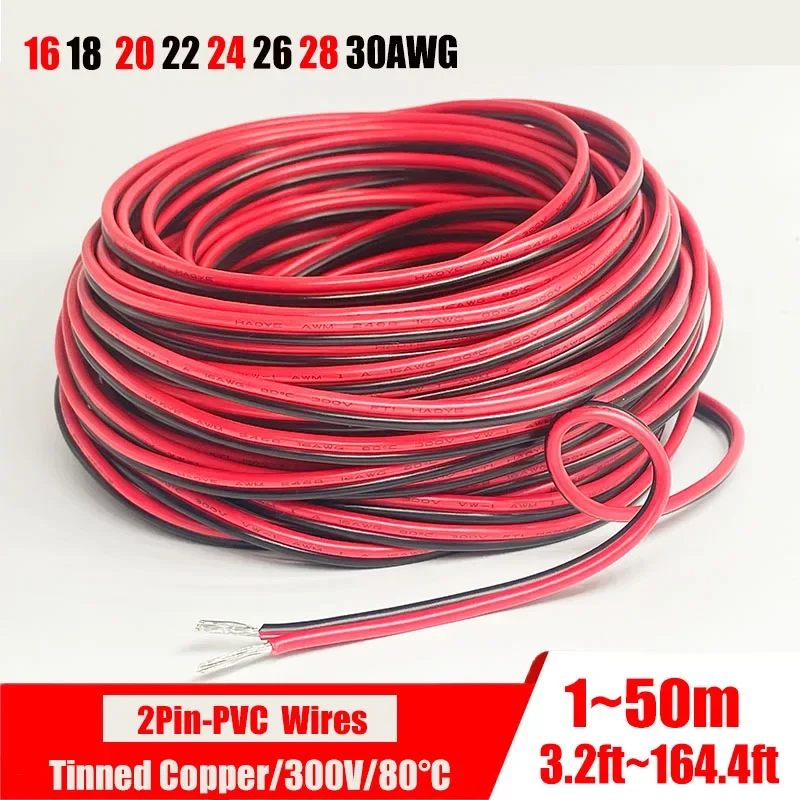
The product offers a wide range of American Wire Gauge (AWG) sizes, from 16AWG down to 30AWG. This versatility allows for precise matching of wire gauge to current requirements and cable length.
Selecting the correct wire gauge is critical for minimizing voltage drop and efficiency losses in DC circuits. A wire that is too thin for the current it carries or the distance it spans will experience a significant voltage drop, leading to less power reaching the load and wasted energy as heat. For example, a 16AWG wire can handle more current and longer runs with less loss than a 28AWG wire.
Imagine designing a small off-grid lighting system for a shed. Using 28AWG wire for a 10-foot run to a 12V LED strip might result in noticeable dimming due to voltage drop. Upgrading to a 20AWG or even 18AWG would ensure the LEDs receive their full voltage, maximizing light output and system efficiency. This precise gauge selection directly impacts the overall performance of a self-sustaining energy system, ensuring every watt generated by solar panels is effectively utilized.
This 2-pin wire is rated for 300V and up to 80°C, indicating its suitability for a broad spectrum of low-voltage DC applications. The voltage rating ensures it can safely handle common solar system voltages, such as 12V, 24V, and even 48V systems, without insulation breakdown.
The 80°C temperature rating is important for maintaining insulation integrity under operational conditions. Wires carrying current generate heat, and in warmer climates or enclosed installations, ambient temperatures can rise. This rating provides a safety margin, preventing premature degradation of the insulation. It handles the heat.
Compatibility with existing solar setups is straightforward. These wires are ideal for connecting solar charge controllers to batteries, extending LED lighting circuits, wiring small DC appliances, or creating custom power distribution Boards. Their flexibility, especially with silicone variants, simplifies routing and installation in tight spaces, which is often a challenge in compact solar projects. This wire seamlessly integrates into various DC ecosystems.
Beyond traditional solar panel connections, this wire finds extensive use in various electronic and automotive applications. Its 2-pin red and black color coding provides clear polarity identification, simplifying wiring and reducing the risk of incorrect connections.
For a solar hobbyist, this wire is indispensable for custom wiring projects. This includes creating battery bank interconnections, wiring up small inverter inputs, extending power to remote sensors, or even building custom solar-powered gadgets. Its flexibility makes it easy to work with, whether soldering or crimping terminals.
Compared to rigid solid-core wires, this stranded wire offers superior vibration resistance, making it suitable for mobile solar applications like RVs or boats. The strands distribute stress better, preventing breakage over time. This ensures reliable power delivery even in dynamic environments.
The availability of this wire in lengths from 1 to 50 meters (3.2ft to 164.4ft) allows for purchasing only the necessary amount, reducing waste and optimizing project costs. This flexibility in length, combined with the various AWG options, empowers users to design and implement highly customized and efficient power solutions.
For those focused on building a truly self-sustaining energy system, every component choice matters. This wire, with its tinned copper core and robust insulation, minimizes efficiency losses and maximizes durability, contributing to the overall reliability and longevity of the solar installation. It's an investment in stability.
Imagine completing a solar project, knowing that the foundational wiring is not only capable but also resilient against environmental factors and optimized for minimal energy loss. Picture a consistent power supply to your off-grid cabin or a robust backup system for your home, all supported by wiring that stands the test of time and performance demands. This wire delivers that confidence, enabling seamless power flow and sustained operational excellence for all your DC electrical needs.
Core Construction and Material Integrity
This wiring utilizes tinned copper conductors, a significant upgrade over bare copper in many applications. Tinned copper involves coating individual copper strands with a thin layer of tin. This simple addition makes a profound difference.
In practical solar installations, tinned copper significantly enhances corrosion resistance. Bare copper can oxidize over time, especially in humid or outdoor environments, leading to increased resistance and potential connection failures. The tin coating acts as a barrier, protecting the copper from moisture and atmospheric contaminants. This ensures stable conductivity for years, a crucial factor for long-term solar project viability.
Compared to standard untinned copper wiring, the tinned variety maintains its electrical properties more consistently in challenging conditions. This translates directly to reduced maintenance and improved system longevity. It's a small detail, but impactful.
Insulation and Environmental Resilience
The wire is insulated with either PVC or silicone, offering distinct advantages depending on the application. PVC (Polyvinyl Chloride) is a widely used, cost-effective insulation known for its good electrical properties and mechanical strength. Silicone, on the other hand, provides superior flexibility and temperature resistance.
For outdoor solar installations or areas exposed to fluctuating temperatures, the choice of insulation is paramount. Silicone insulation remains pliable even in extreme cold, preventing cracking that could expose conductors. It also withstands higher temperatures, which is beneficial in enclosed spaces or when wires are bundled. PVC is suitable for most indoor and protected outdoor uses.
Considering the typical operational range of solar components, from freezing nights to hot summer days, robust insulation is non-negotiable. This wire's insulation options ensure adaptability across diverse environmental demands. It handles the elements.
Gauge Selection and Efficiency Optimization
The product offers a wide range of American Wire Gauge (AWG) sizes, from 16AWG down to 30AWG. This versatility allows for precise matching of wire gauge to current requirements and cable length.
Selecting the correct wire gauge is critical for minimizing voltage drop and efficiency losses in DC circuits. A wire that is too thin for the current it carries or the distance it spans will experience a significant voltage drop, leading to less power reaching the load and wasted energy as heat. For example, a 16AWG wire can handle more current and longer runs with less loss than a 28AWG wire.
Imagine designing a small off-grid lighting system for a shed. Using 28AWG wire for a 10-foot run to a 12V LED strip might result in noticeable dimming due to voltage drop. Upgrading to a 20AWG or even 18AWG would ensure the LEDs receive their full voltage, maximizing light output and system efficiency. This precise gauge selection directly impacts the overall performance of a self-sustaining energy system, ensuring every watt generated by solar panels is effectively utilized.
Performance Characteristics and Compatibility
This 2-pin wire is rated for 300V and up to 80°C, indicating its suitability for a broad spectrum of low-voltage DC applications. The voltage rating ensures it can safely handle common solar system voltages, such as 12V, 24V, and even 48V systems, without insulation breakdown.
The 80°C temperature rating is important for maintaining insulation integrity under operational conditions. Wires carrying current generate heat, and in warmer climates or enclosed installations, ambient temperatures can rise. This rating provides a safety margin, preventing premature degradation of the insulation. It handles the heat.
Compatibility with existing solar setups is straightforward. These wires are ideal for connecting solar charge controllers to batteries, extending LED lighting circuits, wiring small DC appliances, or creating custom power distribution Boards. Their flexibility, especially with silicone variants, simplifies routing and installation in tight spaces, which is often a challenge in compact solar projects. This wire seamlessly integrates into various DC ecosystems.
Versatile Applications in Solar and Beyond
Beyond traditional solar panel connections, this wire finds extensive use in various electronic and automotive applications. Its 2-pin red and black color coding provides clear polarity identification, simplifying wiring and reducing the risk of incorrect connections.
For a solar hobbyist, this wire is indispensable for custom wiring projects. This includes creating battery bank interconnections, wiring up small inverter inputs, extending power to remote sensors, or even building custom solar-powered gadgets. Its flexibility makes it easy to work with, whether soldering or crimping terminals.
Compared to rigid solid-core wires, this stranded wire offers superior vibration resistance, making it suitable for mobile solar applications like RVs or boats. The strands distribute stress better, preventing breakage over time. This ensures reliable power delivery even in dynamic environments.
Strategic Value for Sustainable Energy Projects
The availability of this wire in lengths from 1 to 50 meters (3.2ft to 164.4ft) allows for purchasing only the necessary amount, reducing waste and optimizing project costs. This flexibility in length, combined with the various AWG options, empowers users to design and implement highly customized and efficient power solutions.
For those focused on building a truly self-sustaining energy system, every component choice matters. This wire, with its tinned copper core and robust insulation, minimizes efficiency losses and maximizes durability, contributing to the overall reliability and longevity of the solar installation. It's an investment in stability.
Imagine completing a solar project, knowing that the foundational wiring is not only capable but also resilient against environmental factors and optimized for minimal energy loss. Picture a consistent power supply to your off-grid cabin or a robust backup system for your home, all supported by wiring that stands the test of time and performance demands. This wire delivers that confidence, enabling seamless power flow and sustained operational excellence for all your DC electrical needs.