Flexible Tinned Copper Silicone Wire (10-30 AWG)
Official Store Deal
Expert Analysis Overview
The Flexible Tinned Copper Silicone Wire is a high-performance electrical conductor engineered for demanding solar energy applications where extreme temperature resilience and superior flexibility are paramount. This product directly addresses the critical need for reliable wiring in both off-grid and grid-tied renewable energy systems, offering a significant upgrade over standard PVC-insulated alternatives.
This wire features tinned copper conductors, visible as a silvery sheen on the exposed strands. This tinning process significantly enhances the wire's resistance to oxidation and corrosion, crucial for maintaining conductivity in outdoor solar installations. Unlike bare copper wires that can degrade rapidly when exposed to moisture and air, tinned copper ensures a more stable and longer-lasting electrical connection, reducing maintenance cycles in off-grid systems. It is a smart choice for durability.
The finely stranded nature of the copper, specified at 0.08mm per strand, contributes to exceptional flexibility. This characteristic is vital for routing wires in confined spaces or around sharp corners common in solar panel installations and battery banks. A flexible wire minimizes stress on connection points, preventing premature failure due to fatigue.
Compared to solid core or less finely stranded wires, this design offers superior vibration resistance. Solar setups can experience environmental vibrations. This construction ensures consistent performance over time, even in dynamic environments.
The silicone insulation is a standout feature, providing a remarkable operating temperature range of -60°C to 200°C. This broad thermal tolerance makes the wire suitable for diverse climates, from freezing winters to scorching desert summers. Extreme temperatures pose no issue.
Such high-temperature resistance is particularly beneficial in solar arrays where panels can generate considerable heat, especially when exposed to direct sunlight for extended periods. The insulation remains stable, preventing degradation and maintaining its dielectric properties. This ensures safety and consistent power delivery.
Beyond temperature, silicone offers inherent resistance to various chemicals, oils, and solvents. This protective quality is superior to many conventional insulation materials, safeguarding the wire against potential environmental contaminants often found in outdoor or industrial settings. It resists damage effectively.
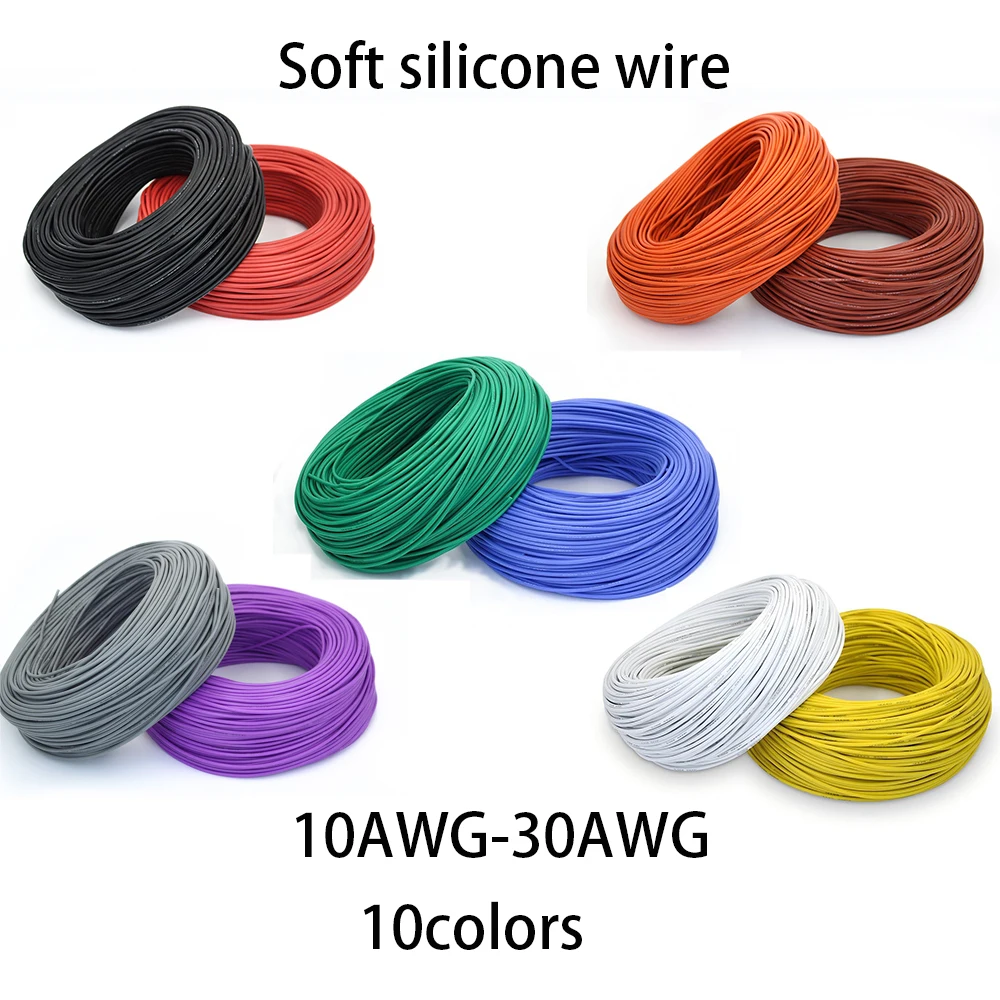
The availability across a wide range of AWG (American Wire Gauge) sizes, from 10 AWG to 30 AWG, provides immense flexibility for system design. Proper wire sizing is fundamental for minimizing voltage drop and power loss in any electrical system, especially critical in low-voltage DC solar applications. Smaller gauges are perfect for signal lines.
For instance, a 10 AWG wire can handle significantly higher currents (up to 55 amps according to the provided chart) over longer distances with minimal loss, making it ideal for connecting solar panels to charge controllers or battery banks. Conversely, smaller gauges like 24 AWG (rated for 3 amps) are suitable for low-power sensors, LED indicators, or control circuits within an inverter. This versatility is key.
Understanding the current capacity and resistance per gauge is essential for efficient system operation. The detailed specification chart provided with the product is an invaluable resource for calculating appropriate wire sizes based on expected current loads and cable run lengths. Incorrect sizing leads to efficiency losses. This information empowers hobbyists to optimize their setups.
The soft and durable silicone sleeve is easy to cut and strip, simplifying the installation process. This ease of handling reduces installation time and the likelihood of errors, which is a significant advantage for DIY solar enthusiasts. It cuts cleanly.
Its wear-resistant and corrosion-resistant properties contribute to a longer service life, reducing the need for frequent replacements. This durability is a key factor in the total cost of ownership, making it a more economical choice in the long run compared to cheaper, less robust alternatives. Long-term value is clear.
The 2-pin red and black color coding simplifies polarity identification, which is crucial for DC circuits in solar applications. Incorrect polarity can damage sensitive electronic components like charge controllers or inverters. Clear labeling prevents mistakes.
This flexible silicone wire is perfectly suited for various applications within a solar energy setup. It can be used for interconnecting solar panels, wiring charge controllers, connecting batteries, and even for DC loads within an RV or off-grid cabin. Its adaptability is impressive.
Beyond solar, its high-temperature rating and flexibility make it suitable for other demanding environments, such as wiring for drones, RC vehicles, and certain home appliances where high currents or extreme temperatures are present. The product's versatility extends its utility beyond just solar. It serves many purposes.
When building a self-sustaining energy system, every component's reliability impacts overall system performance. The superior characteristics of this silicone wire directly contribute to a more stable, efficient, and safer power delivery system. This wire is a foundational element for robust solar builds. It ensures power flows smoothly.
Calculating efficiency losses is paramount in solar system design. The low conductor resistance, detailed in the provided specs, helps minimize resistive losses, ensuring more of the generated energy reaches its destination. This directly translates to higher system efficiency and better power output, especially over longer runs. Less resistance means more power.
Verifying compatibility with existing solar setups is straightforward due to the standard AWG sizing and tinned copper construction. These wires integrate seamlessly into most DC electrical systems, whether you are expanding an existing array or building a new one from scratch. Standard connections are easy.
Imagine a solar setup where wiring concerns become a thing of the past. With these flexible, temperature-resistant, and corrosion-proof silicone wires, you gain peace of mind knowing your connections are secure and efficient, maximizing the energy harvest from your panels for years to come. Your system will perform reliably.
Conductor Core Integrity and Longevity
This wire features tinned copper conductors, visible as a silvery sheen on the exposed strands. This tinning process significantly enhances the wire's resistance to oxidation and corrosion, crucial for maintaining conductivity in outdoor solar installations. Unlike bare copper wires that can degrade rapidly when exposed to moisture and air, tinned copper ensures a more stable and longer-lasting electrical connection, reducing maintenance cycles in off-grid systems. It is a smart choice for durability.
The finely stranded nature of the copper, specified at 0.08mm per strand, contributes to exceptional flexibility. This characteristic is vital for routing wires in confined spaces or around sharp corners common in solar panel installations and battery banks. A flexible wire minimizes stress on connection points, preventing premature failure due to fatigue.
Compared to solid core or less finely stranded wires, this design offers superior vibration resistance. Solar setups can experience environmental vibrations. This construction ensures consistent performance over time, even in dynamic environments.
Environmental Fortitude: Temperature and Chemical Resistance
The silicone insulation is a standout feature, providing a remarkable operating temperature range of -60°C to 200°C. This broad thermal tolerance makes the wire suitable for diverse climates, from freezing winters to scorching desert summers. Extreme temperatures pose no issue.
Such high-temperature resistance is particularly beneficial in solar arrays where panels can generate considerable heat, especially when exposed to direct sunlight for extended periods. The insulation remains stable, preventing degradation and maintaining its dielectric properties. This ensures safety and consistent power delivery.
Beyond temperature, silicone offers inherent resistance to various chemicals, oils, and solvents. This protective quality is superior to many conventional insulation materials, safeguarding the wire against potential environmental contaminants often found in outdoor or industrial settings. It resists damage effectively.
Gauge Versatility for System Optimization
The availability across a wide range of AWG (American Wire Gauge) sizes, from 10 AWG to 30 AWG, provides immense flexibility for system design. Proper wire sizing is fundamental for minimizing voltage drop and power loss in any electrical system, especially critical in low-voltage DC solar applications. Smaller gauges are perfect for signal lines.
For instance, a 10 AWG wire can handle significantly higher currents (up to 55 amps according to the provided chart) over longer distances with minimal loss, making it ideal for connecting solar panels to charge controllers or battery banks. Conversely, smaller gauges like 24 AWG (rated for 3 amps) are suitable for low-power sensors, LED indicators, or control circuits within an inverter. This versatility is key.
Understanding the current capacity and resistance per gauge is essential for efficient system operation. The detailed specification chart provided with the product is an invaluable resource for calculating appropriate wire sizes based on expected current loads and cable run lengths. Incorrect sizing leads to efficiency losses. This information empowers hobbyists to optimize their setups.
Installation Ease and Safety Considerations
The soft and durable silicone sleeve is easy to cut and strip, simplifying the installation process. This ease of handling reduces installation time and the likelihood of errors, which is a significant advantage for DIY solar enthusiasts. It cuts cleanly.
Its wear-resistant and corrosion-resistant properties contribute to a longer service life, reducing the need for frequent replacements. This durability is a key factor in the total cost of ownership, making it a more economical choice in the long run compared to cheaper, less robust alternatives. Long-term value is clear.
The 2-pin red and black color coding simplifies polarity identification, which is crucial for DC circuits in solar applications. Incorrect polarity can damage sensitive electronic components like charge controllers or inverters. Clear labeling prevents mistakes.
Applications in Renewable Energy and Beyond
This flexible silicone wire is perfectly suited for various applications within a solar energy setup. It can be used for interconnecting solar panels, wiring charge controllers, connecting batteries, and even for DC loads within an RV or off-grid cabin. Its adaptability is impressive.
Beyond solar, its high-temperature rating and flexibility make it suitable for other demanding environments, such as wiring for drones, RC vehicles, and certain home appliances where high currents or extreme temperatures are present. The product's versatility extends its utility beyond just solar. It serves many purposes.
When building a self-sustaining energy system, every component's reliability impacts overall system performance. The superior characteristics of this silicone wire directly contribute to a more stable, efficient, and safer power delivery system. This wire is a foundational element for robust solar builds. It ensures power flows smoothly.
Calculating efficiency losses is paramount in solar system design. The low conductor resistance, detailed in the provided specs, helps minimize resistive losses, ensuring more of the generated energy reaches its destination. This directly translates to higher system efficiency and better power output, especially over longer runs. Less resistance means more power.
Verifying compatibility with existing solar setups is straightforward due to the standard AWG sizing and tinned copper construction. These wires integrate seamlessly into most DC electrical systems, whether you are expanding an existing array or building a new one from scratch. Standard connections are easy.
Imagine a solar setup where wiring concerns become a thing of the past. With these flexible, temperature-resistant, and corrosion-proof silicone wires, you gain peace of mind knowing your connections are secure and efficient, maximizing the energy harvest from your panels for years to come. Your system will perform reliably.