Gardening Dibbler Seed Spacer and Soil Puncher
Official Store Deal
Expert Analysis Overview
The Precision Planter's Ally
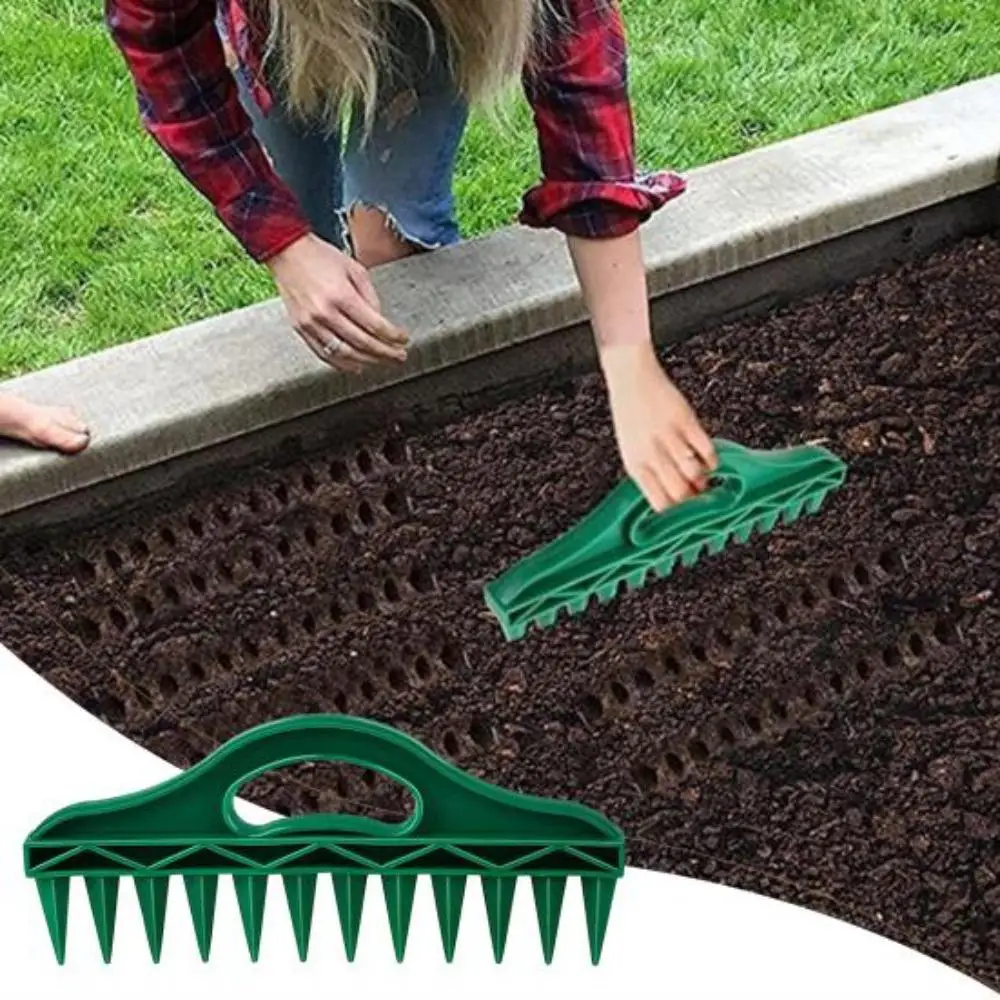
The Gardening Dibbler is a fundamental, yet remarkably effective, manual soil puncher engineered for home gardeners and small-scale farmers prioritizing precise seed placement and optimal plant growth. This tool directly addresses the common frustrations of uneven seed distribution and inconsistent planting depth, which often lead to poor germination rates and stunted plant development. Its simple design belies a profound impact on the efficiency and success of any planting endeavor. A true helper for the green thumb.Engineering for Effortless Sowing
The dibbler's construction from a robust, yet lightweight, plastic material ensures both durability and ease of handling. Unlike tools crafted from less resilient plastics, this gardening dibbler exhibits a solid, dense feel in the hand, suggesting a thoughtful molding process that minimizes hollow points and potential stress fractures. The integrated handle, ergonomically shaped, offers a comfortable and secure grip, reducing hand fatigue during extended planting sessions. This design choice is a significant upgrade over makeshift planting tools, which often lack the necessary rigidity or ergonomic considerations.Imagine preparing a raised bed for a new crop of lettuce. Instead of kneeling and laboriously poking individual holes with a finger or a stick, the dibbler allows for a rhythmic, consistent application across the soil surface. This consistency is crucial. Compared to traditional wooden dibblers or even more rudimentary methods, the plastic construction offers inherent resistance to moisture and rot, ensuring a longer lifespan and consistent performance season after season. It simply will not degrade like wood.
Cultivating Uniform Growth
At its core, the dibbler's primary function revolves around creating uniform planting holes. The array of pointed tines, spaced equidistantly along the tool's base, ensures that each seed receives precisely the same amount of space. This consistent spacing is paramount for healthy plant development, as it eliminates overcrowding, a common issue that leads to competition for nutrients, water, and sunlight. When seeds are planted too closely, the resulting seedlings often become leggy and weak, struggling to establish robust root systems.Consider a row of carrots. If the seeds are haphazardly scattered or planted at varying depths, some will germinate early and dominate, while others may struggle or fail entirely. The dibbler guarantees that each seed has an equal opportunity to thrive from the outset. This uniformity is not just about aesthetics; it directly translates into stronger plants and a more abundant harvest. The precision afforded by this tool far surpasses the variability of manual finger-poking, which inevitably leads to inconsistent depths and spacing.
Maximizing Your Garden's Bounty
The benefits of uniform seed placement extend far beyond initial germination, directly impacting the overall yield and vitality of your garden. When plants are spaced correctly, they receive optimal air circulation, which is vital in preventing fungal diseases and pest infestations. Furthermore, each plant has unobstructed access to sunlight, promoting efficient photosynthesis and vigorous growth. This leads to healthier, more productive plants.Think about a patch of basil. If the plants are too crowded, air flow is restricted, creating a humid microclimate ripe for powdery mildew. With the dibbler's consistent spacing, each basil plant can develop its full, bushy potential, producing more fragrant leaves. This systematic approach to planting is a key differentiator from haphazard methods, which often result in patchy growth and reduced harvest volumes. The investment in precise planting directly correlates with a more bountiful and healthier garden.
Adapting to Diverse Terrains
While designed for efficiency, the dibbler performs optimally in soft, moist soil. The pointed tines are engineered to penetrate prepared garden beds with minimal effort, creating clean, well-defined holes. This makes it ideal for raised beds, container gardens, and well-tilled plots where the soil structure is loose and amenable to easy penetration. Its utility shines in these conditions.However, it is important to acknowledge its limitations. In heavily compacted, clay-rich, or rocky soils, the plastic tines may struggle to penetrate effectively, or worse, risk damage. For such challenging terrains, prior soil preparation, such as loosening with a fork or tilling, becomes essential to ensure the dibbler's effectiveness and longevity. This tool is a finisher, not a primary tilling instrument. Compared to heavier metal tools, its lightweight plastic design is not intended for breaking up dense earth, but rather for refining a prepared seedbed.
A Time-Saving Harvest Helper
One of the most compelling advantages of this gardening dibbler is the significant time and labor savings it offers. The ability to create multiple planting holes simultaneously drastically accelerates the sowing process, especially for crops requiring numerous individual placements. This efficiency is particularly valuable for gardeners managing larger plots or those with physical limitations that make bending and repetitive motions challenging. It saves valuable time.Picture planting a long row of spinach. Manually making each hole, ensuring depth, and then placing seeds can take considerable time and effort. With the dibbler, a single pass creates a perfectly spaced line of ready-to-receive holes, transforming a tedious task into a quick, satisfying process. This streamlined workflow allows gardeners to dedicate more time to other essential tasks, such as weeding, watering, or pest management, ultimately contributing to a more productive and enjoyable gardening experience. The manual effort is greatly reduced.
Longevity in the Elements
The plastic construction of the gardening dibbler provides excellent resistance to environmental factors. Unlike metal tools that can rust or wooden ones that can rot, warp, or splinter when exposed to moisture and outdoor conditions, this plastic dibbler maintains its structural integrity. It will not corrode. This makes it a low-maintenance addition to any gardener's toolkit, requiring only a simple rinse after use to remove clinging soil.Its material composition also means it will not leach any harmful substances into the soil, ensuring the safety of your plants and the surrounding environment. Storing the tool is straightforward; it can be hung or placed in a shed without concerns about rust or degradation from humidity. This resilience contrasts sharply with tools that demand meticulous drying and oiling to prevent rust, offering a hassle-free experience for the busy gardener.
The Verdict for the Dedicated Gardener
This gardening dibbler represents a smart, practical investment for anyone serious about improving their seed-starting success and garden efficiency. Its ability to create perfectly spaced and uniformly deep planting holes directly contributes to stronger seedlings, healthier plants, and ultimately, a more abundant harvest. The ergonomic design and durable plastic construction ensure comfortable use and long-term reliability, making it a reliable partner for many growing seasons. Imagine stepping into your garden, dibbler in hand, ready to swiftly and precisely lay the groundwork for a season of lush, vibrant growth. The satisfaction of seeing your perfectly spaced seedlings emerge, strong and healthy, will be a testament to the simple effectiveness of this indispensable tool. Your garden will thank you.Planting with Purpose: A Closer Look at the Gardening Dibbler
Form and Function: The Tactile Experience
Upon handling the gardening dibbler, its lightweight yet sturdy plastic construction becomes immediately apparent. The material feels dense, not flimsy, suggesting a good quality polymer capable of withstanding the rigors of garden use. The deep green color is practical, blending naturally with garden aesthetics while remaining visible if accidentally set down in foliage. The handle's smooth finish and contoured shape fit comfortably in the palm, providing a confident grip even with damp hands. This tactile feedback reinforces the impression of a tool designed for repeated, comfortable use, rather than a disposable item.Compared to the rougher edges and less refined finishes often found on generic plastic garden tools, this dibbler exhibits a higher degree of mold precision. The tines are sharply pointed, ensuring easy penetration into prepared soil, and their uniform length guarantees consistent depth. This attention to detail in the physical design directly translates into a more pleasant and effective user experience. It feels good to hold.
The Science of Seed Spacing
Proper seed spacing is not merely a suggestion; it is a fundamental principle of successful horticulture. The dibbler's fixed tine arrangement inherently enforces this principle, ensuring that each seedling has adequate room to develop without competing with its neighbors. This leads to stronger root systems and healthier foliage for every plant.When seeds are too close, their roots intertwine and compete for limited soil resources, often resulting in stunted growth for all. Furthermore, dense plantings create humid microclimates that are breeding grounds for fungal diseases like damping-off, which can decimate an entire tray of seedlings overnight. By providing consistent spacing, the dibbler acts as a preventative measure, promoting robust growth and reducing the need for thinning later on. This proactive approach saves both time and plant material, maximizing the return on your gardening efforts. It promotes plant vigor.
Environmental Resilience and Care
Garden tools are inevitably exposed to soil, water, and varying temperatures. The plastic material of this dibbler offers excellent resistance to these elements. It will not rust, unlike steel tools, nor will it absorb moisture and swell or rot like wooden alternatives. This inherent weather resistance contributes significantly to its longevity and ease of maintenance. Cleaning is simple.After a planting session, a quick rinse under a hose is usually sufficient to remove any clinging soil. The smooth plastic surface prevents dirt from adhering stubbornly, making cleanup effortless. This low-maintenance aspect is a considerable advantage for gardeners who prefer to spend their time cultivating rather than cleaning and maintaining their tools. Its resilience ensures it remains a reliable part of the gardening kit for many seasons, enduring sun, rain, and soil contact without complaint. This tool is built to last.
The Gardener's Efficiency Multiplier
Efficiency in the garden translates directly to more time enjoying the fruits of one's labor. The dibbler acts as an efficiency multiplier by automating a repetitive and often time-consuming task. Creating multiple, perfectly spaced holes in one swift motion transforms the planting process from a tedious chore into a rapid, satisfying activity. This is a huge benefit.Consider the scenario of planting multiple flats of flower seeds for a large display. Manually creating hundreds of individual holes would be a monumental task, prone to inconsistencies and back strain. The dibbler allows for a methodical, quick approach, significantly reducing the physical effort and time required. This freed-up time can then be redirected to other crucial gardening activities, enhancing overall garden productivity and reducing physical exertion. It makes planting faster.
The Unseen Benefits: Pest and Disease Prevention
Beyond direct growth benefits, the uniform spacing facilitated by the dibbler plays a subtle yet critical role in pest and disease management. Well-spaced plants allow for better air circulation, which helps to dry foliage quickly after rain or watering. This rapid drying is crucial in preventing the proliferation of many common fungal diseases that thrive in moist, stagnant conditions.Furthermore, adequate spacing makes it easier to inspect individual plants for early signs of pests or disease. If plants are tightly packed, it becomes challenging to identify and address issues before they spread throughout the crop. The dibbler, by promoting an open canopy structure, indirectly contributes to a healthier garden ecosystem, reducing the reliance on chemical interventions. This makes for a healthier garden. It fosters natural resistance.
Value Beyond Price: A Long-Term Asset
At its accessible price point, the gardening dibbler offers exceptional long-term value. Its durable construction and significant impact on planting efficiency mean it will pay for itself many times over in saved time, reduced seed waste, and improved crop yields. This is an investment in gardening success.Unlike more complex, mechanical seeders that can be expensive and require maintenance, this manual tool is straightforward, reliable, and requires no batteries or fuel. It represents a practical, sustainable choice for gardeners of all experience levels. The peace of mind that comes from knowing your seeds are perfectly placed, setting the stage for a thriving garden, is a benefit that extends far beyond the initial purchase price. This simple tool becomes an indispensable asset in the quest for a flourishing garden. It is truly a wise purchase.