Heat Resistant Silicone Automotive Cable
Official Store Deal
Expert Analysis Overview
Precision Conductors for Demanding Applications
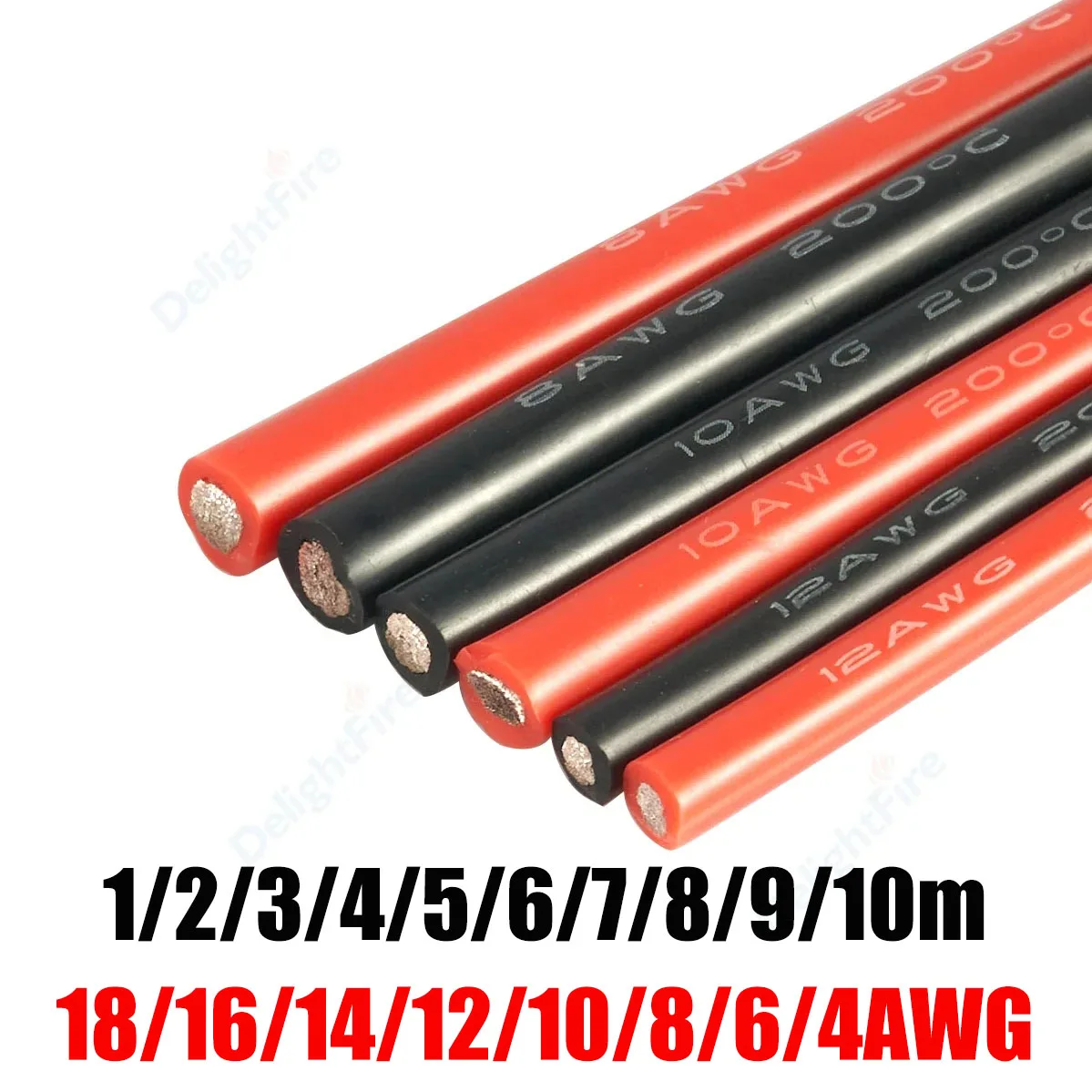
Heat Resistant Silicone Wire is a specialized electrical conductor engineered for environments requiring superior thermal resilience and flexibility. This product targets automotive, solar, and battery applications where standard PVC insulation often fails under extreme temperature fluctuations or repetitive movement. The visible construction suggests a commitment to reliable power transmission in critical systems.
Conductor Integrity and Gauge Precision
The wire is offered in a comprehensive range of American Wire Gauge (AWG) sizes, from 18 AWG up to 4 AWG. This broad selection allows for precise current capacity matching across diverse electrical loads. Proper gauge selection is paramount for preventing overheating and ensuring system efficiency.
Different applications necessitate specific wire gauges. For instance, 18 AWG is suitable for low-current circuits like LED lighting or signal wiring, while 4 AWG is designed for high-current applications such as battery connections or inverter feeds. The visual evidence of tightly stranded copper conductors within the insulation indicates good current carrying capability and flexibility.
Unlike generic wiring that may feature inconsistent stranding or undersized conductors, this product emphasizes a consistent gauge. This consistency directly translates to predictable electrical performance and reduced voltage drop, especially over longer runs. The visible copper strands confirm a material choice known for excellent conductivity.
Insulation Resilience and Thermal Performance
The primary distinguishing feature of this wiring is its silicone insulation, rated for extreme temperatures from -60°C to 200°C. This wide operational range significantly surpasses that of conventional PVC-insulated wires. Such thermal stability is critical for engine compartments, solar installations, and industrial machinery.
In high-heat environments, standard insulation can become brittle, crack, and expose conductors, leading to short circuits or fire hazards. The silicone jacket maintains its integrity and flexibility across the entire temperature spectrum. This prevents insulation breakdown, a common failure point in automotive and outdoor electrical systems.
Compared to typical automotive wiring, which often uses PVC with a much narrower temperature tolerance, silicone offers a substantial upgrade in durability. This material choice provides enhanced protection against thermal cycling and chemical exposure. The insulation's "low eccentricity" feature, as highlighted in product visuals, ensures uniform thickness around the conductor, minimizing potential weak points.
Application Versatility and Installation Considerations
The inherent flexibility of silicone wire, explicitly noted as "Very Soft," simplifies installation in confined spaces or around tight bends. This characteristic is invaluable in automotive harnesses, robotics, and complex wiring looms. Stiff wires can be challenging to route and are prone to fatigue failures.
This flexibility reduces mechanical stress on connections and conductors during installation and operation. For applications like speaker cables or model trains, where repeated movement or intricate routing is common, this pliability is a significant advantage. It allows for cleaner installations and reduces the risk of conductor damage.
Standard electrical cables often exhibit rigidity, making them difficult to work with in tight enclosures or when precise routing is required. The superior flexibility of this silicone wire minimizes installation time and effort. It also contributes to the longevity of the wiring by resisting stress-induced fractures.
Long-Term Reliability and Cost Efficiency
The combination of heat-resistant silicone insulation and high-quality copper conductors contributes to the long-term reliability of electrical systems. Investing in such durable wiring reduces the frequency of repairs and replacements. This translates into significant cost savings over the operational lifespan of the equipment.
For critical applications like solar panel installations or battery banks, wire failure can lead to system downtime and potential safety risks. The robust construction of this cable mitigates these risks. It ensures consistent power delivery and protects connected components from electrical anomalies.
Unlike cheaper, less durable wiring that may require frequent maintenance or premature replacement, this silicone wire offers a superior return on investment. Its ability to withstand harsh conditions minimizes operational interruptions. This makes it a more economical choice for demanding electrical projects.
Safety Compliance and Performance Assurance
Electrical safety is paramount, and the design of this heat-resistant silicone wire addresses common failure modes. The high-temperature rating directly combats thermal degradation, a leading cause of electrical fires. Proper wire selection is a critical safety measure.
The consistent gauge and quality stranding ensure the wire can safely carry its rated current without excessive heat generation. This prevents insulation damage and maintains circuit integrity. Adherence to established electrical standards is implied by the technical specifications.
Compared to non-rated or generic wiring, this product provides a higher degree of confidence in its performance under stress. The visible quality of the conductor and insulation suggests a product designed for safety and longevity. This reduces the risk of electrical hazards in both static and dynamic applications.
Imagine completing a complex automotive wiring project with confidence, knowing every connection is protected by insulation that won't degrade under the hood's heat. Visualize a solar power system operating flawlessly year after year, its critical connections secured by wiring built to endure extreme outdoor temperatures. This cable provides the peace of mind that comes from using components engineered for resilience and long-term performance, ensuring your electrical systems function reliably without compromise.