KF301 PCB Terminal Block Connectors
Official Store Deal
Expert Analysis Overview
Precision Connections for Circuitry
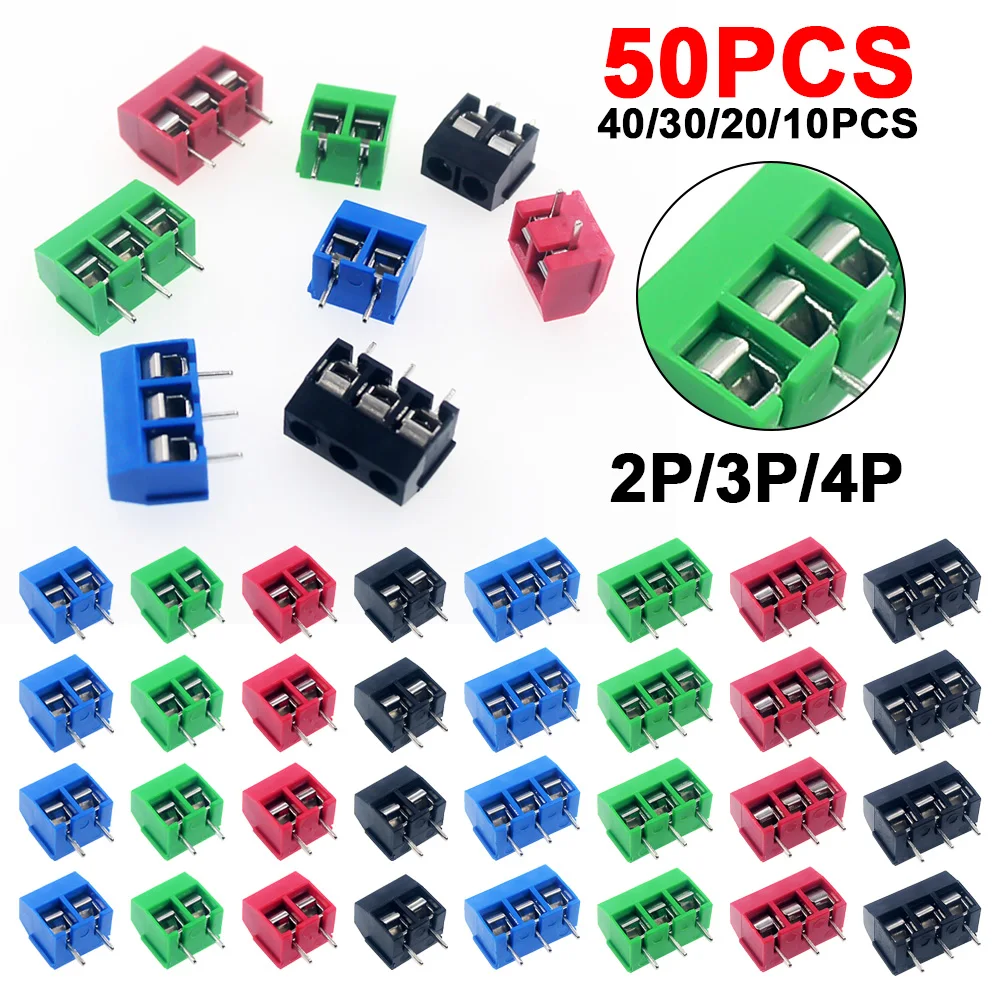
The KF301 PCB Terminal Block Connector is a fundamental component in low-voltage electrical and electronic applications, specifically engineered for secure, removable wire connections directly onto printed circuit Boards. This assortment, featuring both 2-pin (2P) and 3-pin (3P) configurations with a standard 5.0mm pitch, provides essential flexibility for a wide array of prototyping, repair, and small-scale production tasks. Its design prioritizes ease of use and reliable electrical contact, making it a staple for hobbyists and professional technicians alike.
Core Functionality and Design Integrity
These terminal blocks are characterized by their straight pin orientation and a 5.0mm pin pitch. The KF301 series is a widely recognized standard, ensuring compatibility with many existing PCB layouts. Each block incorporates screw-type terminals, which are crucial for establishing a robust mechanical and electrical connection with stripped wire ends. This direct, solderable connection to the PCB simplifies circuit integration.
In practical application, these connectors excel in scenarios demanding frequent wire disconnections or field maintenance without desoldering. Imagine a control panel where various sensors or actuators need to be swapped or serviced; the screw terminals allow for quick, tool-based wire removal and re-insertion. This capability significantly reduces downtime and the risk of damaging sensitive PCB traces during component changes. It's a simple, effective solution.
Compared to direct soldering, which creates a permanent bond, or crimp terminals that require specialized tools, the KF301 offers a balanced approach. It provides a secure connection that is also inherently serviceable. This makes it a superior choice for development boards, modular systems, and any project where flexibility in wiring is a priority over absolute miniaturization or extreme vibration resistance.
Material Quality and Connection Durability
The construction of these terminal blocks typically involves a robust plastic housing, often made from PA66 nylon, which provides excellent insulation properties and a degree of mechanical resilience. The internal metal contacts are usually brass or phosphor bronze, plated with tin or nickel to enhance conductivity and resist corrosion. The screws themselves are commonly steel, designed to withstand repeated tightening cycles.
When securing wires, the tactile feedback from the screw mechanism is critical. A well-designed terminal block, like the KF301, allows for a firm, positive engagement with the wire without feeling flimsy. This ensures that the conductor is properly clamped, minimizing contact resistance and preventing accidental dislodgement. The plastic housing feels dense, not hollow, indicating a quality mold. This secure clamping action is vital for maintaining circuit integrity, especially in environments subject to minor vibrations or temperature fluctuations. A good connection is paramount.
Unlike some lower-grade terminal blocks that use brittle plastics prone to cracking under stress or screws that strip easily, the KF301's material choices aim for longevity. The quality of the metal contacts directly impacts the long-term reliability of the electrical path. Inferior materials can lead to increased resistance, heat buildup, and eventual connection failure. This product's construction aligns with expectations for reliable, general-purpose electrical connections.
Electrical Performance and Safety Considerations
While specific ratings can vary slightly by manufacturer, KF301 terminal blocks are generally rated for currents up to 10A and voltages up to 300V. These specifications make them suitable for a broad range of low-power DC and AC applications. The 5.0mm pitch is conducive to accommodating wire gauges typically from 24 AWG to 12 AWG, though optimal performance is often achieved with 18-14 AWG solid or stranded wire. Proper wire gauge selection is essential.
These connectors are frequently deployed in control circuits for industrial machinery, power supplies for embedded systems, LED lighting arrays, and various sensor interfaces. For instance, in a smart home automation project, these blocks could reliably connect low-voltage power to a series of environmental sensors or control relays. The ability to handle up to 10A means they can manage moderate power distribution within a circuit without concern for overheating under normal operating conditions.
Ensuring compliance with safety standards is a primary concern for any electrical component. While these are generic components, the responsibility falls on the installer to ensure the overall circuit design adheres to local electrical codes and safety practices. This includes verifying that the chosen wire gauge is appropriate for the current load, preventing electrical fires, and ensuring proper insulation. Unlike high-voltage power distribution, these blocks are typically used in applications where the risk is lower, but diligence remains critical. Always check your calculations.
Installation and User Experience
The straight pin design of the KF301 simplifies PCB mounting, requiring only through-hole soldering. The pins are spaced precisely at 5.0mm, allowing for straightforward alignment with standard prototyping boards or custom PCBs. The screw terminals are designed for easy access, typically accommodating a small flat-head or Phillips screwdriver for wire insertion and tightening. This direct approach streamlines assembly.
For the user, the installation process is intuitive. After stripping approximately 5-7mm of insulation from the wire end, the conductor is inserted into the terminal opening, and the screw is tightened. The positive clamping action provides immediate assurance of a secure connection. This ease of installation is a significant advantage for rapid prototyping or field repairs where time and specialized tools may be limited. It's a quick setup.
Compared to spring-cage terminals, which offer tool-less insertion but can sometimes be less forgiving with wire gauge variations, screw terminals provide a more universally adaptable and visually verifiable connection. The KF301's design allows for a clear view of the wire insertion point, helping to confirm proper seating before tightening. This reduces the chance of intermittent connections due to improperly inserted wires.
Versatility and Assortment Value
This kit's inclusion of both 2-pin and 3-pin configurations, often in quantities of 10 or 50 pieces, offers substantial value and versatility. The availability of multiple pin counts in a single purchase means users are well-equipped for diverse projects without needing to source individual components. This is particularly beneficial for hobbyists who often experiment with different circuit designs or for small businesses engaged in low-volume manufacturing.
Imagine a scenario where a technician is repairing various electronic devices; having an assortment of 2P and 3P blocks readily available in different colors (as often seen in these kits) allows for quick identification and replacement. This prevents project delays caused by missing a specific connector type. The bulk quantity ensures that a supply is always on hand for unexpected needs or multiple concurrent projects. It saves time and effort.
Unlike purchasing individual terminal blocks, which can be more expensive per unit and incur additional shipping costs, an assortment kit provides a cost-effective solution for maintaining a well-stocked workbench. The variety of colors, while not strictly functional, can also aid in visual organization and circuit identification, a small but appreciated detail in complex wiring. This kit is a smart investment for any electronics enthusiast or professional.
Addressing Common Pitfalls
While straightforward, proper use of screw terminal blocks requires attention to detail. Overtightening the screws can strip the threads or damage the wire, leading to a poor connection or component failure. Conversely, undertightening results in a loose connection, which can cause intermittent operation or generate heat due to high resistance. The correct torque is crucial.
Another common issue is improper wire stripping. Stripping too much insulation exposes excessive bare wire, increasing the risk of short circuits. Stripping too little prevents the wire from making full contact with the terminal, leading to a weak connection. A consistent strip length of 5-7mm is generally ideal for these 5.0mm pitch blocks. Always double-check your work.
Finally, ensuring that all wire strands are twisted tightly before insertion, especially for stranded wire, prevents stray strands from causing shorts or reducing the effective conductor cross-section. These seemingly minor details significantly impact the long-term reliability and safety of any circuit utilizing these connectors. Precision matters.
These KF301 PCB Terminal Block Connectors are an indispensable asset for anyone working with electronics, from hobbyists building their first circuit to seasoned engineers prototyping complex systems. Their robust design, ease of use, and the inherent serviceability they offer streamline development and maintenance workflows. Picture your workbench, organized and efficient, with every connection secure and easily modifiable, allowing your projects to progress smoothly and reliably. This kit ensures you have the right components at your fingertips, fostering creativity and precision in every electrical endeavor.