MUCG Soft-Tinned Silicone Wire (26-4 AWG)
Official Store Deal
Expert Analysis Overview
The MUCG Soft-Tinned Silicone Wire is a premium conductor solution designed for demanding electrical applications, particularly excelling in solar energy systems and automotive wiring where flexibility, high temperature resistance, and corrosion protection are paramount. This wiring offers a significant upgrade over conventional PVC-insulated alternatives, providing superior performance and longevity for critical power delivery. It is an essential component for anyone constructing a reliable, efficient, and durable self-sustaining energy setup.
Standard electrical wires often suffer from brittle insulation that cracks under extreme temperatures or repeated flexing, leading to potential shorts and system failures. This silicone wire directly addresses these vulnerabilities. Its insulation is engineered from high-grade silicone rubber, a material renowned for its exceptional thermal stability and flexibility. This allows the wire to maintain its integrity across an impressive operating range, from frigid -60°C to scorching 200°C. Cold weather performance is crucial for off-grid solar installations in diverse climates. The material's inherent pliability ensures that even larger gauges, like 4 AWG, can be routed through tight spaces without significant stress on the conductor or insulation.
Compared to standard PVC, silicone offers a dramatically improved lifespan in harsh environments. The tactile sensation of the wire confirms its softness; it feels supple and easily bends, a stark contrast to the rigidness of typical automotive or house wiring. This flexibility simplifies installation and reduces the risk of insulation damage during handling.
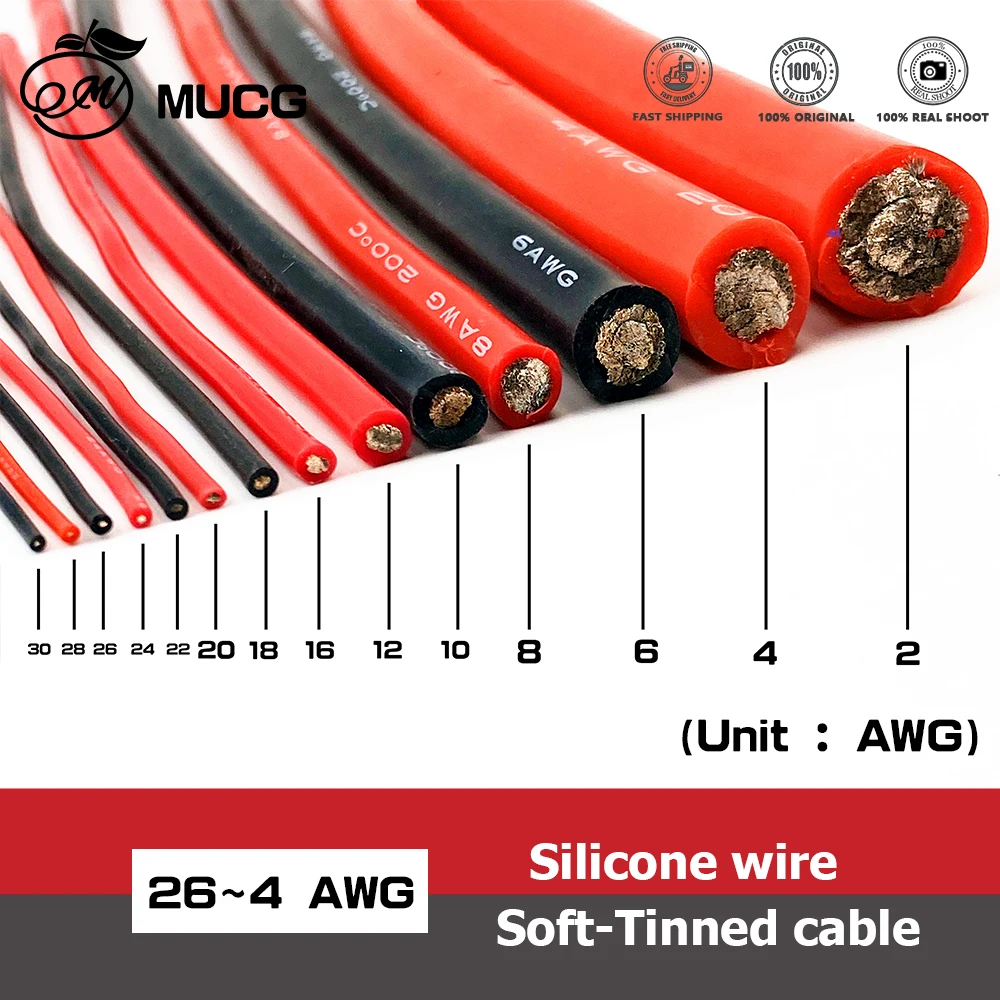
At the heart of this wire lies a core of soft-tinned copper. This isn't just pure copper; each individual strand is coated with a thin layer of tin. This tinning process provides a crucial layer of protection against oxidation and corrosion, which are common enemies of electrical conductivity, especially in humid or marine environments often associated with outdoor solar installations or vehicle applications. Corrosion can significantly increase resistance, leading to power loss and heat generation, directly impacting the efficiency of a solar power system. The conductor structure, featuring numerous fine strands (e.g., 19000 pieces of 0.08mm for 2 AWG), ensures both high flexibility and excellent current carrying capacity. This high strand count is vital. It allows the wire to handle mechanical stress better than solid core wires.
The use of tinned copper directly translates to a more stable and efficient electrical connection over time. Unlike bare copper, which can develop a green patina of copper oxide, tinned copper maintains its conductivity, ensuring that the power generated by solar panels reaches batteries or inverters with minimal loss. This preservation of conductivity is a key factor in maximizing the return on investment for any solar energy project. The visual inspection of the exposed wire ends reveals the bright, silvery sheen of the tinning, confirming the quality of the conductor material.
For solar energy hobbyists, understanding current capacity and efficiency losses is paramount. This silicone wire is available in a wide range of American Wire Gauges (AWG), from fine 26 AWG up to robust 4 AWG. Each gauge is rated for specific current loads, with the larger gauges capable of handling substantial amperage – for instance, 2 AWG can safely carry up to 300A, and 4 AWG up to 200A. These ratings are critical for designing efficient DC systems, ensuring that wires are appropriately sized for the current draw of components like charge controllers, inverters, and battery banks. Undersized wires lead to voltage drop and resistive losses, converting valuable solar energy into wasted heat.
Calculating efficiency losses involves matching the wire gauge to the expected current and distance. Using an appropriately sized wire, like a 6 AWG for a 100A circuit, minimizes voltage drop, ensuring that the maximum possible power reaches the load. This directly impacts the overall efficiency of a solar array, preventing the system from underperforming. The detailed specification chart provided with the product is an invaluable resource for verifying compatibility with existing solar setups and for planning new installations. It clearly outlines wire diameter, conductor structure, and safety current for each gauge, making it straightforward to select the correct wire for specific applications. The low eccentricity of the insulation ensures a uniform thickness around the conductor, preventing hot spots and enhancing safety.
The robust construction of these silicone wires makes them ideal for off-grid solar applications, where reliability under varying conditions is non-negotiable. Whether connecting solar panels to a charge controller, linking battery banks, or wiring a DC load directly, the wire's resistance to environmental factors like UV radiation (though not explicitly stated, silicone generally has good UV resistance) and extreme temperatures ensures consistent performance. Its flexibility also makes it suitable for mobile solar setups, such as those found in RVs, boats, or portable power stations, where vibrations and movement are common. These wires are perfectly suited for the high-current demands of inverters, ensuring efficient conversion from DC to AC power.
Verifying compatibility with existing solar setups is straightforward due to the adherence to standard AWG sizing. The red and black insulation color coding simplifies polarity identification, a fundamental safety and functionality requirement in DC circuits. This prevents accidental reverse polarity connections, which can damage sensitive electronic components in a solar system. The wire's ability to withstand high temperatures also means it can be safely routed near hot engine compartments in automotive applications or within enclosed battery boxes without risk of insulation degradation. This is a durable choice for critical connections.
Proper installation techniques are crucial for maximizing the lifespan and performance of any electrical wiring. The softness of the silicone insulation facilitates easy stripping, but a sharp, dedicated wire stripper is recommended to avoid nicking the fine tinned copper strands. Once stripped, the high strand count makes crimping connections secure and reliable, especially when using high-quality crimp connectors and tools. For high-current applications, proper termination with lugs and heat shrink tubing is essential to prevent corrosion at the connection points and ensure maximum conductivity. The wire's flexibility also minimizes strain on terminals, reducing the likelihood of connections loosening over time due to vibration or thermal expansion/contraction.
Long-term reliability is a core benefit of this product. The combination of tin-plated copper and silicone insulation significantly extends the operational life of the wiring compared to cheaper alternatives. This translates to fewer maintenance cycles and greater peace of mind for self-sustaining energy systems. Imagine a remote cabin powered by solar, where every component's reliability is critical. This wire contributes directly to that dependability, reducing the need for frequent checks or replacements. It ensures consistent power delivery, even when subjected to the rigors of outdoor exposure and fluctuating temperatures, making it a wise investment for any serious solar enthusiast.
While the initial cost of silicone wire may be slightly higher than that of standard PVC wire, the long-term value proposition is undeniable. The enhanced durability, superior performance in extreme conditions, and reduced risk of system failures translate into significant savings over the lifetime of a solar installation or vehicle wiring project. It minimizes the need for costly repairs or replacements, and more importantly, ensures the consistent and efficient operation of your power system. For those building or upgrading their solar energy infrastructure, this wire represents a foundational element of a truly resilient and high-performing setup. It is a commitment to reliability, ensuring that your energy system operates flawlessly for years to come, providing consistent power when you need it most. The peace of mind that comes with knowing your wiring can withstand the elements and heavy loads is invaluable. This wire helps you build a robust and dependable system, ready for any challenge.
Engineering for Endurance: The Silicone Advantage
Standard electrical wires often suffer from brittle insulation that cracks under extreme temperatures or repeated flexing, leading to potential shorts and system failures. This silicone wire directly addresses these vulnerabilities. Its insulation is engineered from high-grade silicone rubber, a material renowned for its exceptional thermal stability and flexibility. This allows the wire to maintain its integrity across an impressive operating range, from frigid -60°C to scorching 200°C. Cold weather performance is crucial for off-grid solar installations in diverse climates. The material's inherent pliability ensures that even larger gauges, like 4 AWG, can be routed through tight spaces without significant stress on the conductor or insulation.
Compared to standard PVC, silicone offers a dramatically improved lifespan in harsh environments. The tactile sensation of the wire confirms its softness; it feels supple and easily bends, a stark contrast to the rigidness of typical automotive or house wiring. This flexibility simplifies installation and reduces the risk of insulation damage during handling.
Conductor Integrity: The Tinned Copper Core
At the heart of this wire lies a core of soft-tinned copper. This isn't just pure copper; each individual strand is coated with a thin layer of tin. This tinning process provides a crucial layer of protection against oxidation and corrosion, which are common enemies of electrical conductivity, especially in humid or marine environments often associated with outdoor solar installations or vehicle applications. Corrosion can significantly increase resistance, leading to power loss and heat generation, directly impacting the efficiency of a solar power system. The conductor structure, featuring numerous fine strands (e.g., 19000 pieces of 0.08mm for 2 AWG), ensures both high flexibility and excellent current carrying capacity. This high strand count is vital. It allows the wire to handle mechanical stress better than solid core wires.
The use of tinned copper directly translates to a more stable and efficient electrical connection over time. Unlike bare copper, which can develop a green patina of copper oxide, tinned copper maintains its conductivity, ensuring that the power generated by solar panels reaches batteries or inverters with minimal loss. This preservation of conductivity is a key factor in maximizing the return on investment for any solar energy project. The visual inspection of the exposed wire ends reveals the bright, silvery sheen of the tinning, confirming the quality of the conductor material.
Power Delivery and Efficiency Metrics
For solar energy hobbyists, understanding current capacity and efficiency losses is paramount. This silicone wire is available in a wide range of American Wire Gauges (AWG), from fine 26 AWG up to robust 4 AWG. Each gauge is rated for specific current loads, with the larger gauges capable of handling substantial amperage – for instance, 2 AWG can safely carry up to 300A, and 4 AWG up to 200A. These ratings are critical for designing efficient DC systems, ensuring that wires are appropriately sized for the current draw of components like charge controllers, inverters, and battery banks. Undersized wires lead to voltage drop and resistive losses, converting valuable solar energy into wasted heat.
Calculating efficiency losses involves matching the wire gauge to the expected current and distance. Using an appropriately sized wire, like a 6 AWG for a 100A circuit, minimizes voltage drop, ensuring that the maximum possible power reaches the load. This directly impacts the overall efficiency of a solar array, preventing the system from underperforming. The detailed specification chart provided with the product is an invaluable resource for verifying compatibility with existing solar setups and for planning new installations. It clearly outlines wire diameter, conductor structure, and safety current for each gauge, making it straightforward to select the correct wire for specific applications. The low eccentricity of the insulation ensures a uniform thickness around the conductor, preventing hot spots and enhancing safety.
Off-Grid Potential and Compatibility
The robust construction of these silicone wires makes them ideal for off-grid solar applications, where reliability under varying conditions is non-negotiable. Whether connecting solar panels to a charge controller, linking battery banks, or wiring a DC load directly, the wire's resistance to environmental factors like UV radiation (though not explicitly stated, silicone generally has good UV resistance) and extreme temperatures ensures consistent performance. Its flexibility also makes it suitable for mobile solar setups, such as those found in RVs, boats, or portable power stations, where vibrations and movement are common. These wires are perfectly suited for the high-current demands of inverters, ensuring efficient conversion from DC to AC power.
Verifying compatibility with existing solar setups is straightforward due to the adherence to standard AWG sizing. The red and black insulation color coding simplifies polarity identification, a fundamental safety and functionality requirement in DC circuits. This prevents accidental reverse polarity connections, which can damage sensitive electronic components in a solar system. The wire's ability to withstand high temperatures also means it can be safely routed near hot engine compartments in automotive applications or within enclosed battery boxes without risk of insulation degradation. This is a durable choice for critical connections.
Installation and Longevity Considerations
Proper installation techniques are crucial for maximizing the lifespan and performance of any electrical wiring. The softness of the silicone insulation facilitates easy stripping, but a sharp, dedicated wire stripper is recommended to avoid nicking the fine tinned copper strands. Once stripped, the high strand count makes crimping connections secure and reliable, especially when using high-quality crimp connectors and tools. For high-current applications, proper termination with lugs and heat shrink tubing is essential to prevent corrosion at the connection points and ensure maximum conductivity. The wire's flexibility also minimizes strain on terminals, reducing the likelihood of connections loosening over time due to vibration or thermal expansion/contraction.
Long-term reliability is a core benefit of this product. The combination of tin-plated copper and silicone insulation significantly extends the operational life of the wiring compared to cheaper alternatives. This translates to fewer maintenance cycles and greater peace of mind for self-sustaining energy systems. Imagine a remote cabin powered by solar, where every component's reliability is critical. This wire contributes directly to that dependability, reducing the need for frequent checks or replacements. It ensures consistent power delivery, even when subjected to the rigors of outdoor exposure and fluctuating temperatures, making it a wise investment for any serious solar enthusiast.
The Investment in Reliability
While the initial cost of silicone wire may be slightly higher than that of standard PVC wire, the long-term value proposition is undeniable. The enhanced durability, superior performance in extreme conditions, and reduced risk of system failures translate into significant savings over the lifetime of a solar installation or vehicle wiring project. It minimizes the need for costly repairs or replacements, and more importantly, ensures the consistent and efficient operation of your power system. For those building or upgrading their solar energy infrastructure, this wire represents a foundational element of a truly resilient and high-performing setup. It is a commitment to reliability, ensuring that your energy system operates flawlessly for years to come, providing consistent power when you need it most. The peace of mind that comes with knowing your wiring can withstand the elements and heavy loads is invaluable. This wire helps you build a robust and dependable system, ready for any challenge.