Multi-Gauge Tinned Copper Electrical Wire for DIY Projects
Official Store Deal
Expert Analysis Overview
Powering Your Off-Grid Ambitions: A Review of Multi-Gauge Tinned Copper Wire
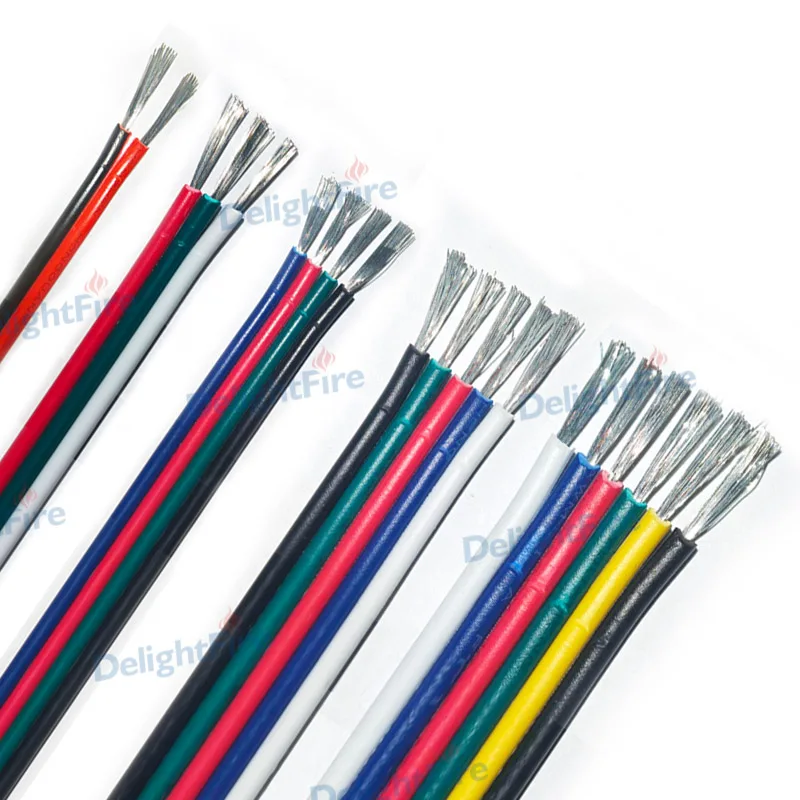
This multi-gauge tinned copper electrical wire is a foundational component for any solar energy hobbyist aiming to build or expand a self-sustaining energy system. It offers a practical solution for connecting various low-voltage DC components, from LED lighting arrays to small fans and even direct connections within a solar panel setup. Its availability in multiple gauges and conductor counts addresses a wide range of DIY electrical needs, making it a versatile choice for off-grid applications. The visible material quality suggests a focus on longevity and consistent performance, critical for systems that must operate reliably without constant supervision.
Conductor Quality and Oxidation Resistance
The conductors feature tinned copper, a significant upgrade over bare copper for certain applications. Tinned copper is copper coated with a thin layer of tin. This tin coating provides excellent protection against oxidation and corrosion. Bare copper, exposed to air and moisture, can quickly oxidize, forming a resistive layer that degrades electrical conductivity over time.
For solar installations, which are often exposed to varying environmental conditions, oxidation resistance is paramount. This wire ensures that connections remain stable and efficient, minimizing power loss at critical junctions. It maintains optimal current flow for longer durations.
Unlike standard bare copper wire, the tinning process enhances the wire's lifespan and reliability, especially in humid or outdoor environments. This directly translates to less maintenance and more consistent power delivery for your solar-powered devices.
Gauge Selection for Optimal Efficiency
Available in 22AWG, 20AWG, and 18AWG, this wire offers flexibility for different current requirements and cable run lengths. Wire gauge selection is a critical factor in minimizing voltage drop and power loss in DC circuits, particularly in solar applications where every watt counts. A lower AWG number indicates a thicker wire, capable of carrying more current with less resistance.
For connecting low-power LED strips or small sensors, 22AWG might suffice over short distances. However, for higher current loads or longer runs, such as connecting a solar charge controller to a battery bank or powering a DC fan, the 18AWG option becomes essential. Thicker wire reduces resistive losses. This directly impacts the overall efficiency of your solar energy system, ensuring that generated power reaches its destination with minimal dissipation.
Compared to using a single, undersized gauge for all applications, having these options allows for precise system design. This prevents overheating and maximizes energy transfer, a key consideration for maximizing the return on investment in solar components.
Multi-Core Configurations for Complex Systems
The product offers 2-pin, 3-pin, 4-pin, 5-pin, and 6-pin configurations. This variety of multi-conductor cables is particularly useful for more complex DC wiring, such as RGB LED lighting systems, stepper motors, or sensor arrays. Each conductor is individually insulated within a single outer jacket, simplifying wiring and providing a cleaner aesthetic.
In a solar-powered RV or tiny home, for instance, a 4-pin cable could power an RGB LED strip, carrying separate lines for red, green, blue, and common positive. This consolidates multiple single wires into one neat cable. This reduces clutter and simplifies installation, especially in confined spaces where wire management is a challenge.
Generic single-strand wires would require tedious bundling and potentially less robust insulation. These multi-core options streamline the wiring process, offering a more professional and durable installation for intricate low-voltage systems fed by solar power.
PVC Insulation for Durability and Safety
The wires are insulated with PVC (Polyvinyl Chloride). PVC is a widely used insulation material known for its good electrical insulation properties, flexibility, and resistance to abrasion. It protects the tinned copper conductors from physical damage and provides electrical isolation, preventing short circuits.
For DIY solar projects, where wires might be routed through walls, conduits, or exposed to some degree of wear, the durability of PVC insulation is beneficial. It ensures the integrity of the electrical path. This insulation helps maintain system safety and performance over time, resisting common environmental stressors.
Compared to cheaper, less robust insulations, PVC offers a reliable protective layer. This contributes to the overall safety and longevity of your solar-powered electrical circuits, providing peace of mind during operation.
High Conductivity and Low Resistance
The product explicitly highlights high conductivity and low resistance as key features. These characteristics are inherent to quality copper wire, especially when tinned. High conductivity means the material efficiently transmits electrical current. Low resistance minimizes the energy lost as heat during transmission.
In solar energy systems, maintaining high conductivity and low resistance across all connections is crucial for system efficiency. Any resistance in the wiring translates directly into wasted energy, reducing the effective power delivered by your solar panels. This wire ensures that the maximum possible power is delivered to your loads or batteries.
Many generic wires might claim these properties, but the combination of tinned copper and appropriate gauge selection visibly supports these claims. This makes it a superior choice for critical connections where energy conservation is a priority, distinguishing it from lower-quality alternatives that could lead to significant power degradation.
Versatile Applications Beyond Solar
While ideal for solar DIY, the wire's versatility extends to various other low-voltage applications. It is suitable for LED lamps, electronic projects, light strips, and even speaker and fan lights. This broad applicability means a single type of wire can serve multiple purposes within a hobbyist's workshop or an integrated home system.
For example, the same 2-pin 18AWG wire used to connect a solar panel to a charge controller could also power a small DC fan in an off-grid cabin. The multi-pin wires are perfect for custom LED lighting setups or control circuits in electronic projects. This reduces the need to stock multiple specialized wire types.
This broad utility differentiates it from highly specialized cables, offering a cost-effective and convenient solution for diverse electrical needs. It simplifies inventory and ensures consistent quality across different project types, making it a truly adaptable component for any maker or installer.
The DIY Advantage: Building Your Vision
This electrical wire empowers the DIY enthusiast to build and customize their solar energy systems with confidence. The range of gauges and conductor counts means precise matching of wire to application, optimizing performance and safety. The tinned copper ensures long-term reliability, a non-negotiable for self-sustaining setups.
Imagine the satisfaction of a perfectly wired off-grid shed, powered efficiently by your solar array, with every LED strip and fan operating flawlessly. This wire is the silent workhorse, ensuring every connection is robust and every electron flows unimpeded. It allows for the creation of durable, efficient, and aesthetically pleasing electrical installations, turning complex schematics into tangible, working systems. This wire is an investment in the longevity and efficiency of your personal energy independence projects.
Key System Integration Points
Calculating Efficiency Losses
Understanding efficiency losses is paramount in solar system design. The resistance of a wire directly causes voltage drop and power loss. Using the appropriate AWG for the current and length of the run minimizes these losses. For instance, a 10-foot run carrying 5 amps with 22AWG wire will experience a significantly higher voltage drop than with 18AWG wire. This difference can impact the performance of sensitive electronics or the charging efficiency of batteries. The visible options allow for better loss management.
DC/AC Compatibility Considerations
These wires are primarily designed for DC (Direct Current) applications, which is the native output of solar panels and batteries. While they can technically carry AC current within their voltage and current limits, their primary utility in the context of solar energy is for DC circuits. For any AC loads, an inverter would convert the DC power to AC, and separate AC-rated wiring would typically be used for the AC side. This product integrates seamlessly into the DC backbone of any solar setup.
Off-Grid Potential Realization
For off-grid systems, reliability and efficiency are non-negotiable. This wire directly contributes to both. Its tinned copper construction resists corrosion, a common failure point in outdoor or humid off-grid environments. The selection of gauges allows for optimized power transfer from solar panels to charge controllers, batteries, and then to DC loads. This ensures that precious stored energy is not wasted in inefficient wiring. It supports robust, long-lasting off-grid power solutions.
Operational Durability and Environmental Resilience
Insulation Integrity Under Stress
The PVC insulation visible on these wires offers a good balance of flexibility and protective strength. While not rated for extreme outdoor exposure without additional conduit or protection, it performs well in sheltered outdoor or indoor environments typical of DIY solar setups like RVs, sheds, or small cabins. The insulation prevents fraying and maintains separation between conductors. This is crucial for preventing electrical hazards and ensuring consistent performance over time, even with minor physical stresses.
Temperature Range Considerations
PVC insulation typically performs well within a wide temperature range, generally from -20°C to 80°C (or even 105°C for some types). This makes it suitable for most residential and hobbyist solar applications, which rarely encounter extreme temperatures that would degrade the insulation. However, direct exposure to intense, prolonged sunlight without protection could potentially accelerate aging of the PVC. Proper routing and protection extend its service life.
Long-Term System Reliability
The combination of tinned copper conductors and durable PVC insulation contributes significantly to the long-term reliability of any electrical system. Reduced oxidation means stable connections. Good insulation prevents shorts. This translates to fewer troubleshooting issues and a more dependable power supply for your solar-powered devices. Investing in quality wire like this minimizes future headaches and maximizes system uptime. It is a smart choice for ensuring consistent energy delivery.
Imagine your custom solar-powered greenhouse, where every sensor, fan, and light operates flawlessly, year after year, thanks to robust and efficient wiring. This wire isn't just a component; it's the nervous system of your energy independence. It ensures your projects not only function but thrive, providing reliable power for all your eco-conscious endeavors. The ease of use and long-term benefits mean more time enjoying your creations and less time on maintenance. This wire is the silent enabler of your sustainable future, connecting your vision to reality with unwavering performance and durability.