Multi-Voltage AC-DC Switching Power Supply (SMPS)
Official Store Deal
Expert Analysis Overview
Powering Your Projects: A Deep Dive into AC-DC Switching Power Supplies
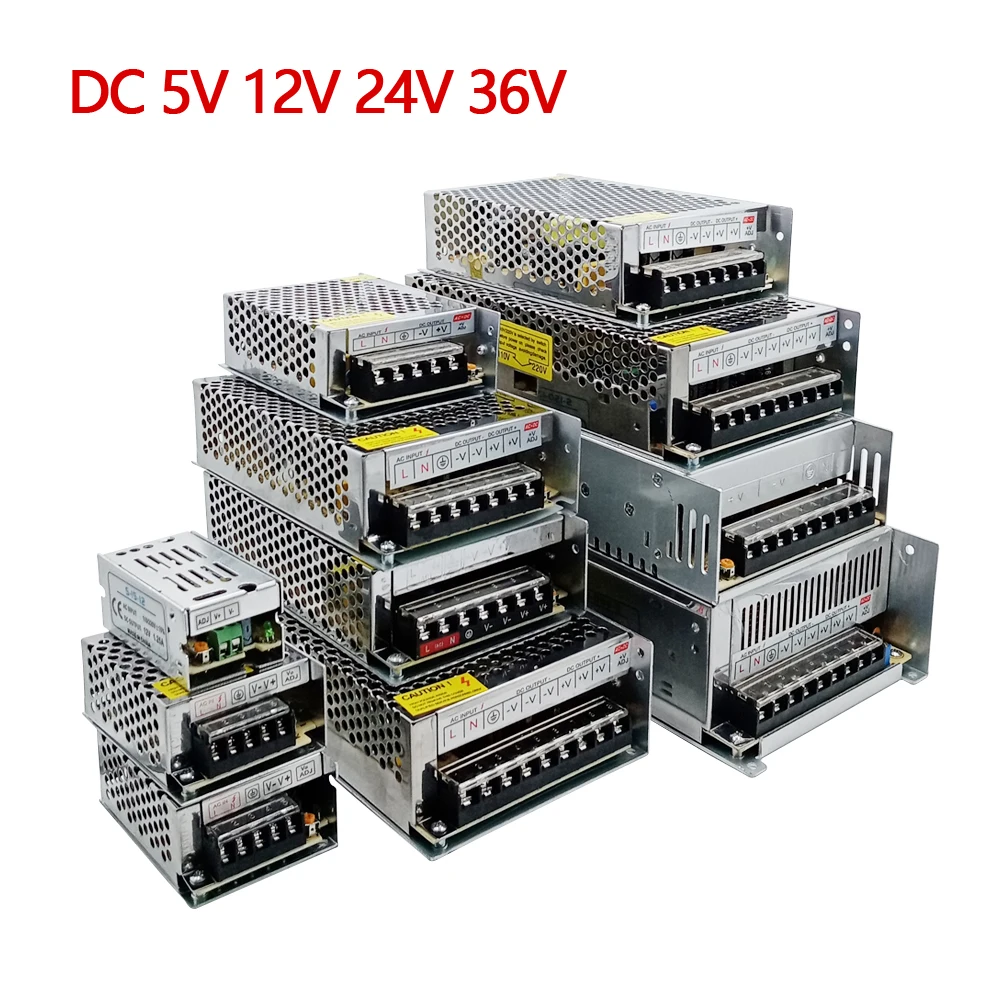
The Multi-Voltage AC-DC Switching Power Supply (SMPS) series represents a crucial component for any solar energy hobbyist or DIY enthusiast requiring stable, efficient power conversion. These units are engineered to transform standard AC 220V input into a range of essential DC voltages, including 5V, 12V, 24V, and 36V, making them incredibly adaptable for diverse projects. The modular design, visible in the array of sizes and power ratings, speaks to a commitment to project-specific solutions, avoiding the compromises inherent in one-size-fits-all alternatives.
Voltage Versatility and Current Capacity
This SMPS lineup offers an impressive spectrum of output voltages and current capacities, ranging from a modest 1A up to a robust 30A. Such a wide array ensures that whether powering a delicate sensor array at 5V or driving a substantial LED lighting system at 24V, an appropriate unit exists. The ability to select precise voltage and current ratings prevents over-specification, optimizing cost and efficiency for each application.
Consider a scenario where a remote solar-powered weather station requires 12V for its main controller and 5V for specific sensors. Instead of multiple, less efficient converters, a single, appropriately sized SMPS can handle the AC output from a small inverter, providing stable power. This simplifies system architecture considerably.
Compared to traditional linear power supplies, these switching mode units offer significantly higher efficiency. Linear supplies dissipate excess voltage as heat, a substantial energy waste. SMPS technology, however, rapidly switches power on and off, minimizing energy loss. This is a critical advantage in any energy-conscious setup, especially those relying on renewable sources where every watt-hour counts.
Efficiency Considerations for Sustainable Systems
Conversion efficiency is paramount for solar energy applications. These SMPS units typically operate with efficiencies in the 80-90% range. This means a minimal amount of input power is lost as heat during the AC-DC conversion process.
For an off-grid cabin running primarily on solar, every percentage point of efficiency gained translates directly into more usable power and less strain on battery banks. The reduced heat generation also contributes to a longer lifespan for the power supply itself and surrounding components. Less heat means less stress.
Unlike older, less optimized power supplies that could waste up to 50% of energy as heat, these modern SMPS designs ensure that the bulk of the power drawn from an inverter (itself powered by solar) is delivered to the load. This optimized energy transfer extends the operational time of battery-backed systems and reduces the overall energy footprint of a project. It is a smart choice.
Build Quality and Thermal Management
Upon inspection, the perforated metal casing on these units immediately conveys a focus on thermal management. The numerous vents allow for effective passive cooling in smaller units and support active cooling in higher wattage models, where internal fans would draw air through the perforations. The metal construction also provides a degree of physical protection for the internal circuitry.
The robust screw terminal blocks are a welcome sight. These ensure secure, reliable electrical connections, a critical factor in any long-term installation, particularly in environments prone to vibration or temperature fluctuations. Loose connections can lead to arcing, power instability, and even fire hazards. Solid terminals prevent this.
Compared to power supplies with flimsy push-in connectors or soldered leads, the terminal blocks on these units offer superior durability and ease of maintenance. Replacing a component or reconfiguring a circuit becomes a straightforward task, requiring only a screwdriver. This design choice underscores a practical approach to engineering, prioritizing long-term serviceability.
Internal Architecture and Reliability
The internal view of a typical unit reveals a well-organized circuit board featuring key components. Imported IC chips are utilized for precise control and regulation of the switching process, ensuring stable output voltage and current. A high-frequency transformer is central to the SMPS design, enabling efficient energy transfer at reduced size and weight compared to traditional low-frequency transformers. This is compact power.
High-quality filter capacitors are strategically placed to smooth out the rectified AC, delivering a clean DC output free from ripple and noise. This clean power is essential for sensitive electronic devices, preventing malfunctions or premature wear. An EMC filter net further reduces electromagnetic interference, ensuring the power supply doesn't disrupt other nearby electronics.
Safety is clearly prioritized with the inclusion of a lightning protection fuse and safety capacitors. These components protect both the power supply and the connected loads from voltage spikes and transient overcurrents, a common concern in exposed or industrial applications. Such integrated protections offer peace of mind, minimizing the risk of costly equipment damage.
Integration into Solar Energy Systems
For the solar energy hobbyist, these SMPS units unlock significant potential. While they require an AC input (meaning they would typically connect to the output of a solar inverter), they provide the necessary stable DC voltages for a multitude of off-grid applications. Imagine powering a series of high-efficiency LED grow lights for an indoor garden, all running off a 24V SMPS connected to a solar-charged battery bank via an inverter. The possibilities are vast.
Another application could involve powering a home automation system within a remote dwelling. A 12V SMPS could reliably supply power to microcontrollers, sensors, and actuators, ensuring continuous operation even when grid power is unavailable. This creates truly independent systems.
This approach offers greater flexibility than trying to find native DC-DC solutions for every load. By converting the inverter's AC output, a standardized, highly efficient SMPS can be used, simplifying component sourcing and system design. It streamlines complex power needs effectively.
Safety and Operational Best Practices
While these units incorporate internal safety features, their open-frame design necessitates careful consideration during installation. An external enclosure is crucial for protecting the power supply from dust, moisture, and accidental contact with live terminals. Proper ventilation within this enclosure is equally important to maintain optimal operating temperatures.
Always ensure the input voltage matches the specified AC 220V. Connecting to an incorrect voltage can damage the unit. Similarly, verify that the chosen SMPS output voltage and current capacity are appropriate for the connected load. Overloading the power supply can lead to overheating and premature failure.
Regular inspection of wiring connections and ensuring adequate airflow will contribute significantly to the longevity and reliable operation of these power supplies. Adhering to these simple best practices ensures years of trouble-free service. Safety first, always.
Imagine the satisfaction of seeing your custom solar-powered projects, from intricate automation systems to vibrant LED displays, running flawlessly and efficiently. These switching power supplies provide the consistent, reliable DC power foundation necessary to bring those visions to life, ensuring your energy independence goals are met with precision and stability. They are the silent workhorses behind your innovations.