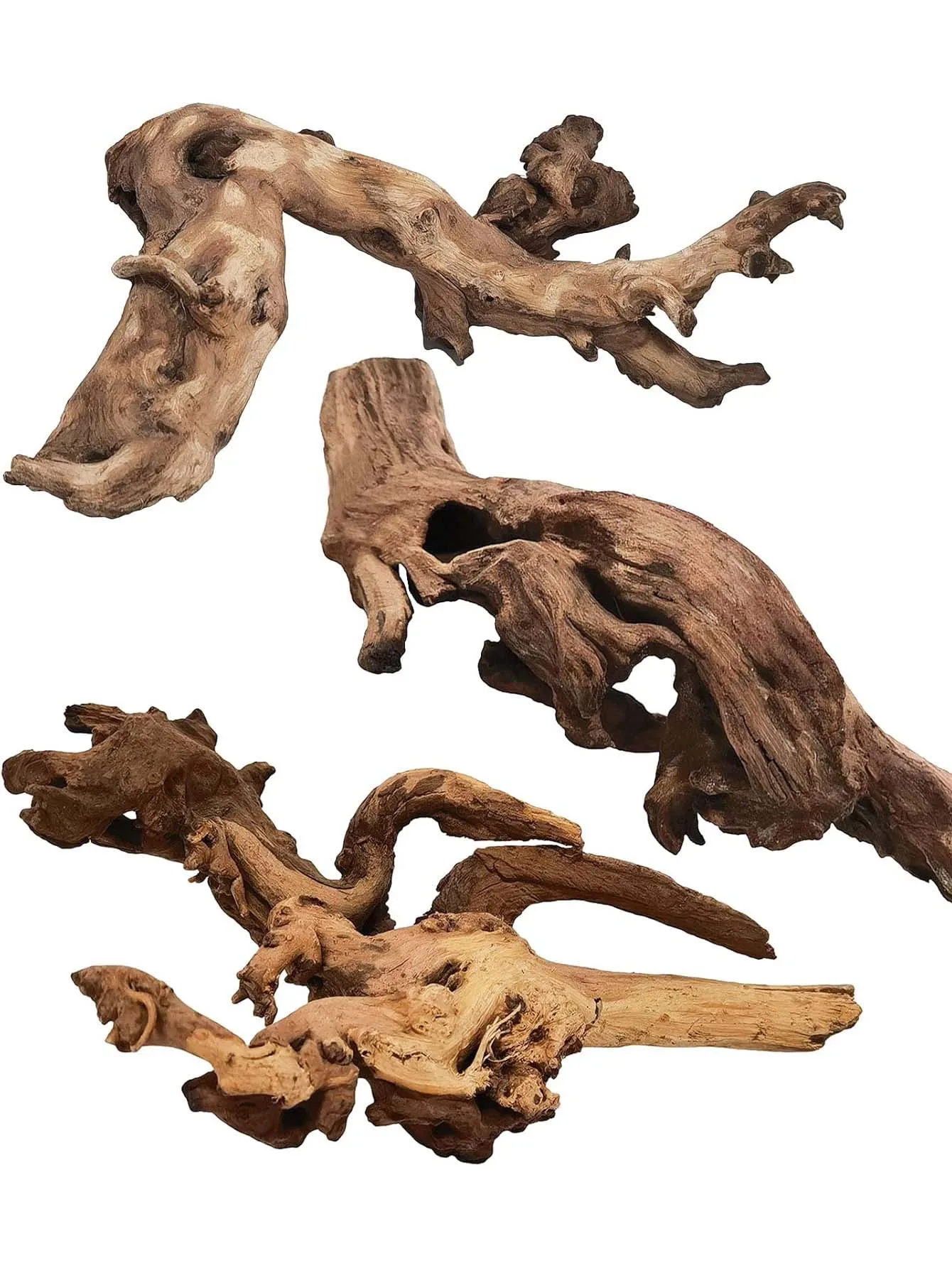
Natural Driftwood Aquarium & Terrarium Decor
Official Store Deal
Expert Analysis Overview
The Natural Driftwood Aquarium & Terrarium Decor is a versatile, essential furnishing designed for creating enriching and stimulating environments for aquatic and terrestrial pets. This collection of small, naturally shaped wood pieces serves as a fundamental element in biotope-inspired setups, offering both aesthetic appeal and critical functional benefits for animal well-being. Unlike artificial plastic decorations that often lack textural complexity and biological interaction, these natural wood pieces provide genuine opportunities for exploration, refuge, and even dietary supplementation through biofilm growth.
Each pack contains 3 pieces of natural driftwood, with sizes ranging from 5 to 10 centimeters (1.97-3.94 inches). The inherent variety in shape and form ensures that no two pieces are identical, promoting a unique and dynamic landscape within any enclosure. This natural variability is key.
For many species, particularly fish, reptiles, and amphibians, the presence of natural structures like driftwood is paramount for reducing stress and encouraging natural behaviors. Imagine a timid pleco finding solace within the crevices of a gnarled branch, or a small gecko scaling the textured surface of a miniature log. These elements provide crucial visual barriers and territorial markers, which are vital for the psychological health of many captive animals. The environment becomes more than just a tank.
Compared to inert plastic decorations, which offer uniform surfaces and predictable forms, natural driftwood introduces an organic complexity that artificial materials simply cannot replicate. The irregular contours and varied textures stimulate curiosity and provide a more authentic sensory experience for pets. This is a significant upgrade from generic, brightly colored plastic ornaments that often detract from a natural aesthetic and offer limited functional enrichment.
These driftwood pieces are composed of hard, dense natural wood, selected for its longevity and structural integrity. The material resists rapid decomposition in water and stands up to the daily interactions of active pets. This density is a critical factor.
In a pet enclosure, durability is not merely about surviving; it is about providing a consistent, reliable structure for animal interaction. For species that climb, such as certain arboreal reptiles or amphibians, the sturdy branches offer secure perching and climbing opportunities. For bottom-dwelling fish or crustaceans, the wood provides surfaces for grazing on beneficial biofilm or hiding from perceived threats. Even small rodents in terrariums might gnaw on the wood, which can aid in dental health and provide mental stimulation. It handles daily wear.
This natural hardwood offers superior resilience compared to softer, untreated woods that might quickly break down or splinter, posing potential hazards. Its robust nature also surpasses the often-brittle or easily scratched surfaces of many synthetic decorations, ensuring a longer lifespan and sustained aesthetic appeal within the habitat. The investment holds up over time.
When introduced to an aquatic environment, this natural driftwood will initially float due to its buoyancy. Over time, as the wood becomes waterlogged, it will sink, becoming a permanent fixture. During this process, and continuously thereafter, the wood will release tannins into the water.
These tannins, natural organic compounds, impart a slight amber tint to the water, mimicking the 'blackwater' conditions found in many natural river systems. This coloration is not only aesthetically pleasing to many aquarists but also provides a host of benefits for aquatic life, including a slight reduction in pH, which is beneficial for soft-water fish species, and antibacterial properties. Furthermore, the wood's surface will develop biofilm, a natural layer of beneficial microorganisms that serves as a valuable food source for shrimp, snails, and many species of bottom-feeding fish. Fish love the biofilm.
Unlike inert ceramic or plastic decorations that do not interact with water chemistry or support beneficial microbial growth, natural driftwood actively contributes to the biological balance of an aquarium. The gradual release of tannins helps to buffer pH, creating a more stable and natural environment, while the biofilm provides continuous grazing opportunities. This dynamic interaction makes driftwood a far more enriching and biologically active choice than purely decorative alternatives.
For terrestrial enclosures housing reptiles, amphibians, or invertebrates, these driftwood pieces offer essential structural complexity. Their varied shapes, including branching forms and hollowed sections, provide diverse climbing surfaces and secure hiding spots. The natural texture is inviting.
Many arboreal reptiles, such as chameleons or certain geckos, require elevated perches and climbing opportunities to thrive. The rough, natural surface of the driftwood provides excellent grip, preventing slips and falls, and encourages natural climbing behaviors. For basking species, wood can absorb and radiate heat, creating warm spots. Ground-dwelling animals, like tarantulas or certain snakes, benefit from the nooks and crannies as secure retreats, reducing stress and promoting a sense of security. It's a natural playground.
This natural wood surpasses artificial resin logs or plastic branches in both texture and thermal properties. Resin can feel unnaturally smooth and often lacks the intricate details that encourage natural climbing. Natural wood, conversely, provides a tactile experience that closely mimics a pet's wild habitat, making it a superior choice for promoting physical activity and mental engagement in terrarium inhabitants. The difference is palpable.
Before introducing any natural driftwood into a pet environment, particularly an aquarium, proper preparation is crucial. The initial buoyancy of the wood means it will float if not treated. Furthermore, the wood will release tannins, which, while beneficial, can be excessive if not managed. Preparation is key.
To ensure the driftwood sinks and to mitigate the initial heavy release of tannins, the recommended method is to boil the wood in water for 2-4 hours or to soak it in water for at least a day, or even several days. Boiling helps to quickly waterlog the wood, making it sink faster, and also sterilizes the surface, removing any potential pathogens or unwanted organic matter. Soaking allows for a more gradual waterlogging and tannin release, which can be managed by changing the water periodically. This process is non-negotiable for aquatic setups.
Neglecting this preparation step can lead to floating decor, cloudy water, or an excessive drop in pH that could stress sensitive aquatic life. Unlike pre-treated artificial decorations that require no preparation, natural driftwood demands this initial effort. However, this minor investment of time ensures a safe, stable, and biologically beneficial addition to the pet's habitat, far outweighing the convenience of less natural alternatives. The effort is worth it.
This natural driftwood offers a profound enhancement to any pet's living space, fostering an environment where natural instincts can flourish. Imagine the vibrant activity in a tank where fish dart through intricate branches, or the confident exploration of a reptile navigating its textured landscape. This decor doesn't just fill space; it creates a thriving ecosystem, providing endless opportunities for enrichment and observation, transforming a simple enclosure into a dynamic, naturalistic haven for your cherished companions.
The Foundation of Habitat Enrichment: Crafting Authentic Pet Spaces
Each pack contains 3 pieces of natural driftwood, with sizes ranging from 5 to 10 centimeters (1.97-3.94 inches). The inherent variety in shape and form ensures that no two pieces are identical, promoting a unique and dynamic landscape within any enclosure. This natural variability is key.
For many species, particularly fish, reptiles, and amphibians, the presence of natural structures like driftwood is paramount for reducing stress and encouraging natural behaviors. Imagine a timid pleco finding solace within the crevices of a gnarled branch, or a small gecko scaling the textured surface of a miniature log. These elements provide crucial visual barriers and territorial markers, which are vital for the psychological health of many captive animals. The environment becomes more than just a tank.
Compared to inert plastic decorations, which offer uniform surfaces and predictable forms, natural driftwood introduces an organic complexity that artificial materials simply cannot replicate. The irregular contours and varied textures stimulate curiosity and provide a more authentic sensory experience for pets. This is a significant upgrade from generic, brightly colored plastic ornaments that often detract from a natural aesthetic and offer limited functional enrichment.
Engineered for Endurance: Durability in Dynamic Environments
These driftwood pieces are composed of hard, dense natural wood, selected for its longevity and structural integrity. The material resists rapid decomposition in water and stands up to the daily interactions of active pets. This density is a critical factor.
In a pet enclosure, durability is not merely about surviving; it is about providing a consistent, reliable structure for animal interaction. For species that climb, such as certain arboreal reptiles or amphibians, the sturdy branches offer secure perching and climbing opportunities. For bottom-dwelling fish or crustaceans, the wood provides surfaces for grazing on beneficial biofilm or hiding from perceived threats. Even small rodents in terrariums might gnaw on the wood, which can aid in dental health and provide mental stimulation. It handles daily wear.
This natural hardwood offers superior resilience compared to softer, untreated woods that might quickly break down or splinter, posing potential hazards. Its robust nature also surpasses the often-brittle or easily scratched surfaces of many synthetic decorations, ensuring a longer lifespan and sustained aesthetic appeal within the habitat. The investment holds up over time.
The Submerged Sanctuary: Aquatic Applications
When introduced to an aquatic environment, this natural driftwood will initially float due to its buoyancy. Over time, as the wood becomes waterlogged, it will sink, becoming a permanent fixture. During this process, and continuously thereafter, the wood will release tannins into the water.
These tannins, natural organic compounds, impart a slight amber tint to the water, mimicking the 'blackwater' conditions found in many natural river systems. This coloration is not only aesthetically pleasing to many aquarists but also provides a host of benefits for aquatic life, including a slight reduction in pH, which is beneficial for soft-water fish species, and antibacterial properties. Furthermore, the wood's surface will develop biofilm, a natural layer of beneficial microorganisms that serves as a valuable food source for shrimp, snails, and many species of bottom-feeding fish. Fish love the biofilm.
Unlike inert ceramic or plastic decorations that do not interact with water chemistry or support beneficial microbial growth, natural driftwood actively contributes to the biological balance of an aquarium. The gradual release of tannins helps to buffer pH, creating a more stable and natural environment, while the biofilm provides continuous grazing opportunities. This dynamic interaction makes driftwood a far more enriching and biologically active choice than purely decorative alternatives.
Terrestrial Terrariums: A Climber's Paradise
For terrestrial enclosures housing reptiles, amphibians, or invertebrates, these driftwood pieces offer essential structural complexity. Their varied shapes, including branching forms and hollowed sections, provide diverse climbing surfaces and secure hiding spots. The natural texture is inviting.
Many arboreal reptiles, such as chameleons or certain geckos, require elevated perches and climbing opportunities to thrive. The rough, natural surface of the driftwood provides excellent grip, preventing slips and falls, and encourages natural climbing behaviors. For basking species, wood can absorb and radiate heat, creating warm spots. Ground-dwelling animals, like tarantulas or certain snakes, benefit from the nooks and crannies as secure retreats, reducing stress and promoting a sense of security. It's a natural playground.
This natural wood surpasses artificial resin logs or plastic branches in both texture and thermal properties. Resin can feel unnaturally smooth and often lacks the intricate details that encourage natural climbing. Natural wood, conversely, provides a tactile experience that closely mimics a pet's wild habitat, making it a superior choice for promoting physical activity and mental engagement in terrarium inhabitants. The difference is palpable.
Essential Preparation: Ensuring a Safe Start
Before introducing any natural driftwood into a pet environment, particularly an aquarium, proper preparation is crucial. The initial buoyancy of the wood means it will float if not treated. Furthermore, the wood will release tannins, which, while beneficial, can be excessive if not managed. Preparation is key.
To ensure the driftwood sinks and to mitigate the initial heavy release of tannins, the recommended method is to boil the wood in water for 2-4 hours or to soak it in water for at least a day, or even several days. Boiling helps to quickly waterlog the wood, making it sink faster, and also sterilizes the surface, removing any potential pathogens or unwanted organic matter. Soaking allows for a more gradual waterlogging and tannin release, which can be managed by changing the water periodically. This process is non-negotiable for aquatic setups.
Neglecting this preparation step can lead to floating decor, cloudy water, or an excessive drop in pH that could stress sensitive aquatic life. Unlike pre-treated artificial decorations that require no preparation, natural driftwood demands this initial effort. However, this minor investment of time ensures a safe, stable, and biologically beneficial addition to the pet's habitat, far outweighing the convenience of less natural alternatives. The effort is worth it.
This natural driftwood offers a profound enhancement to any pet's living space, fostering an environment where natural instincts can flourish. Imagine the vibrant activity in a tank where fish dart through intricate branches, or the confident exploration of a reptile navigating its textured landscape. This decor doesn't just fill space; it creates a thriving ecosystem, providing endless opportunities for enrichment and observation, transforming a simple enclosure into a dynamic, naturalistic haven for your cherished companions.