Pellet Stove Hot Rod Igniter: Efficient 220V M16*1.5 Thread Ignition
Official Store Deal
Expert Analysis Overview
The Core of Combustion Efficiency
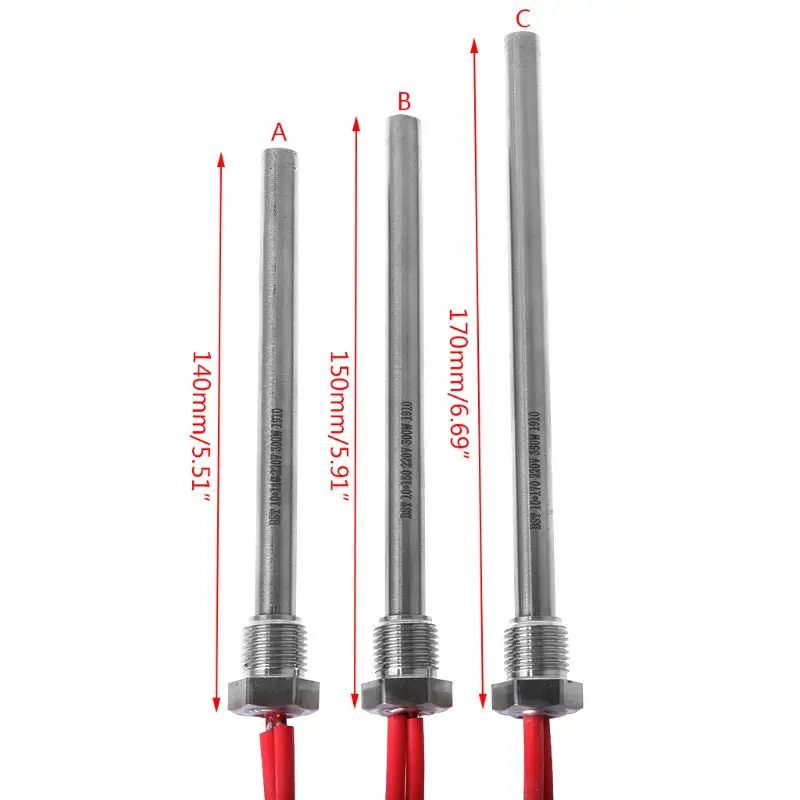
The Pellet Stove Hot Rod Igniter is a critical combustion component designed for reliable, rapid ignition of wood pellets, directly influencing the efficiency and emissions profile of heating systems. This device represents a fundamental element in modern pellet stove operation, moving beyond rudimentary ignition methods that often compromise performance and air quality. Its primary function is straightforward: to heat rapidly and consistently, initiating the combustion process in the pellet fuel with minimal delay. This is a vital part.The visual data confirms these igniters are available in specific lengths: 140mm, 150mm, and 170mm. Each unit features a consistent 10mm diameter and a robust M16*1.5 threaded base, indicating a standardized fitting for many applications. Power ratings are clearly indicated as 300W for the shorter 140mm and 150mm models, and a more powerful 350W for the 170mm variant, all operating at a standard 220V. These precise measurements are not arbitrary; they are engineered to fit specific stove designs, ensuring optimal placement within the pellet feed mechanism.
This precise engineering implies a direct and significant impact on ignition speed and consistency, which are paramount for efficient pellet combustion. A properly sized and powered igniter ensures that the wood pellets reach their ignition temperature swiftly and uniformly, typically within a few minutes. This rapid heating minimizes the "smoldering" phase, a period often associated with incomplete combustion, higher particulate emissions, and increased smoke production. Quick ignition means less waiting, and more importantly, less initial pollution.
Compared to manual ignition methods, which often involve kindling, fire starters, or even less reliable electric elements, the hot rod igniter offers a significant operational upgrade. Manual methods are inherently inconsistent, prone to producing more smoke and requiring more user intervention during the startup phase as the fuel slowly catches fire. This igniter eliminates that variability, providing a controlled, predictable, and efficient start every single time. It's a cleaner start for your stove. In a scenario where consistent heat and minimal startup emissions are desired, this technology proves invaluable.
Material Science and Durability Considerations
The visible construction of these igniters, characterized by their uniform metallic sheen, strongly suggests the use of high-temperature resistant metal, most likely a grade of stainless steel. This material choice is paramount for components operating under extreme thermal stress, where temperatures can soar to several hundred degrees Celsius. The metallic shaft appears smooth and uniform, indicating quality manufacturing processes and attention to surface finish, which can impact heat transfer efficiency.This material selection directly implies enhanced longevity and superior resistance to the harsh, corrosive conditions prevalent within a pellet stove's combustion chamber. High temperatures, corrosive byproducts of wood combustion (such as creosote and various acids), and abrasive ash particles are constant threats to internal components. Stainless steel offers a robust barrier against these degradative forces, maintaining its structural integrity and heating efficiency over prolonged periods. It withstands the heat and the wear. This resistance is crucial for maintaining consistent performance and reducing the frequency of component replacement.
Lower-grade materials, often found in less robust or cheaper alternatives, would quickly succumb to such an aggressive environment. They might corrode rapidly, warp under thermal cycling, or even burn out prematurely, leading to frequent replacements, inconsistent stove performance, and potentially higher maintenance costs. The visible quality and implied material here suggest a design focused on enduring these challenges, offering a more reliable and cost-effective long-term solution. This is a durable choice for demanding applications. Investing in quality materials reduces future headaches.
Power Requirements and Operational Safety
The specified operating voltage of 220V and power outputs of 300W or 350W are critical electrical parameters that define the igniter's performance. These figures dictate the precise amount of electrical energy required to achieve the necessary heat for rapid pellet ignition. The 220V standard is common in many regions globally for higher-power appliances, including heating elements, ensuring compatibility with existing household electrical infrastructures in those areas.These specifications imply a rapid heating capability, which is essential for quick stove startups and efficient fuel consumption. Higher wattage directly translates to faster heat generation within the igniter's element, allowing it to reach optimal temperatures quickly and effectively ignite the dense wood pellets. This efficiency in heating reduces the overall electrical consumption during the ignition cycle, as the igniter needs to be active for a shorter duration. Fast heating is key to both performance and energy management. It minimizes energy waste.
The importance of meticulously matching these electrical specifications to the pellet stove's requirements and the local power supply cannot be overstated for both operational safety and optimal performance. Using an igniter with an incorrect voltage can lead to immediate failure, severe damage to the stove's electrical system, or significant safety hazards, including overheating, electrical short circuits, or even fire. Verification is essential before installation. For instance, attempting to use a 220V igniter on a 110V system would result in insufficient heat, while a 110V igniter on a 220V system would likely burn out instantly.
The Impact on Indoor Air Quality
The direct link between efficient ignition and reduced incomplete combustion is a cornerstone of improved indoor air quality, a primary concern for any air quality specialist. When wood pellets ignite quickly and completely, the production of harmful byproducts, such as fine particulate matter (PM2.5), volatile organic compounds (VOCs), and carbon monoxide (CO), is significantly minimized. This is a crucial benefit for respiratory health.Efficient combustion, facilitated by a reliable igniter, results in less visible smoke, fewer invisible particulate emissions, and a substantial reduction in carbon monoxide production during the critical startup phase of the stove. This directly contributes to a healthier indoor environment by reducing the presence of airborne irritants and potential respiratory hazards. Cleaner air is the goal for any heating system. This also helps in meeting local air quality standards, which are becoming increasingly stringent.
This contrasts sharply with struggling or failing igniters, which can prolong the smoldering phase, leading to excessive smoke and a greater release of pollutants into the surrounding air. An unreliable igniter forces the stove to operate inefficiently, creating more soot and creosote buildup, which further degrades air quality and increases maintenance needs. A reliable igniter ensures the stove operates as cleanly as possible from the very beginning, promoting a more complete and environmentally responsible burn. It starts clean, every time.
Installation and Compatibility
The M16*1.5 thread and the availability of 140mm, 150mm, and 170mm lengths highlight specific installation requirements that users must carefully consider. The M16*1.5 threaded base ensures a secure mechanical connection, preventing dislodgement or air leaks during operation, which could compromise efficiency. Different lengths are provided to accommodate varying internal stove designs and pellet feed mechanisms.The importance of correct fitment for optimal performance and safety cannot be overstated. An igniter that is too short may not reach the pellet bed effectively, leading to poor or inconsistent ignition, wasting fuel and producing more emissions. Conversely, one that is too long could interfere with other internal components, cause mechanical damage, or create an improper seal at the mounting point. Precision fit matters for both functionality and safety. This ensures proper heat transfer.
The challenge of universal compatibility means that users must meticulously verify these dimensions and specifications against their specific stove model's requirements. While the M16*1.5 thread is a common standard in many pellet stove designs, variations in length, wattage, and even minor differences in thread pitch are frequent across different manufacturers and models. Always check your stove's owner's manual or consult the manufacturer's specifications to ensure a perfect match. This prevents installation issues. Using an incompatible part can lead to damage or inefficient operation.
Imagine a heating season where your wood pellet stove springs to life with unwavering reliability, every single time, without the struggle of manual ignition or the frustration of a slow, smoky start. Envision the peace of mind that comes from knowing your ignition system is operating efficiently, contributing to cleaner burns and a healthier home environment for your family. This igniter delivers consistent performance, transforming the startup experience into a seamless, smoke-minimized process that preserves indoor air quality. It ensures your heating system functions at its peak, providing warmth without compromise and reducing the environmental footprint of your home heating.