Philips Series 1000 Air Purifier Replacement Filter Set
Official Store Deal
Expert Analysis Overview
Essential Air Purification: A DIY Perspective
This replacement filter set, comprising an active carbon filter (FY1413/40) and a HEPA filter (FY1410/40), is a critical maintenance component for Philips Air Purifier Series 1000 models, specifically AC1214, AC1215, AC1217, and AC2729. It is a direct-fit solution for maintaining indoor air quality. These filters are not compatible with Series 2000 or 2000i purifiers. The dual-layer filtration system addresses both particulate matter and gaseous pollutants, a fundamental requirement for healthy indoor environments.
The Dual-Layer Filtration Advantage
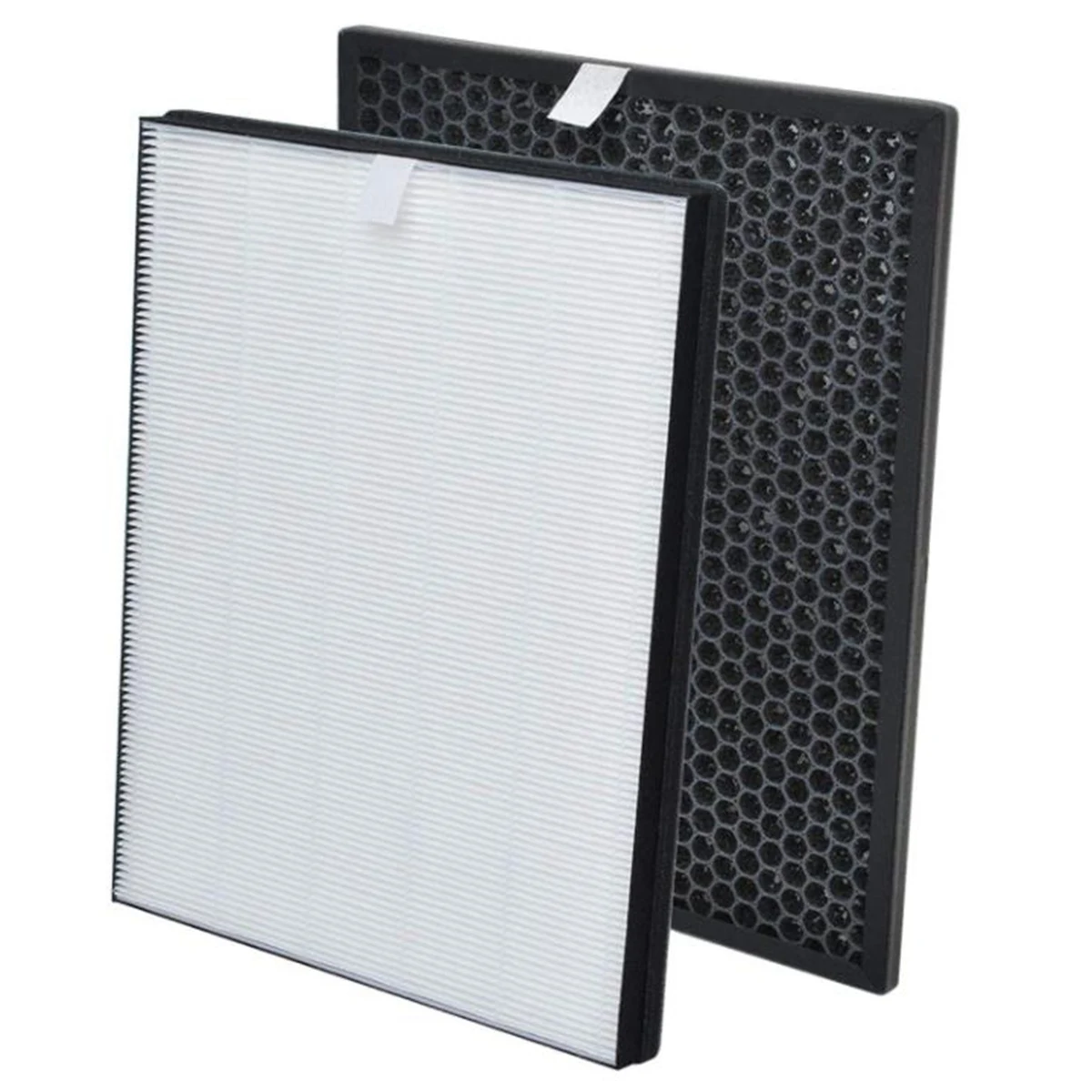
Air purification relies on effective filtration. This set provides a two-stage defense. The active carbon filter is the first line of defense. It tackles gaseous contaminants. This filter features a honeycomb design. This structure is not merely aesthetic; it significantly reduces wind resistance. A lower resistance means the air purifier can operate more efficiently, drawing more air through the filter without overworking the fan. This design also increases the effective filtration area, allowing for greater contact time between the air and the activated carbon. The result is improved purification efficiency for volatile organic compounds (VOCs) and formaldehyde, common indoor air pollutants that often go unnoticed but contribute to poor air quality. The carbon particles are sufficient for absorption. This is a crucial detail for long-term effectiveness.
Following the activated carbon layer is the True HEPA filter. HEPA stands for High-Efficiency Particulate Air. This filter is engineered to capture microscopic airborne particles. It boasts a capture rate of 99.97% for particles as small as 0.3 microns. This includes common allergens like pollen, pet dander, and dust mites. It also traps mold spores and bacteria. The HEPA layer prevents secondary pollution. This level of filtration is paramount for individuals with allergies, asthma, or other respiratory sensitivities. Unlike standard filters that might only catch larger dust particles, a True HEPA filter provides comprehensive particulate removal. This ensures cleaner, healthier air circulates throughout the living space.
Precision Engineering and Material Integrity
Examining the physical construction, both filters exhibit a robust build. The frames appear to be made of a durable plastic, providing structural integrity. This prevents warping or collapse under airflow pressure. The HEPA filter features densely packed pleats. These pleats maximize the surface area for filtration. More surface area equals better capture efficiency. The activated carbon filter's honeycomb matrix is uniformly distributed. This ensures consistent airflow and pollutant absorption across the entire filter. The materials used are described as high-quality. This suggests a longer effective lifespan compared to lower-grade alternatives. The visible construction implies careful manufacturing. This is not a flimsy component. Such attention to detail is vital for maintaining the performance of the air purifier over time. A well-constructed filter maintains its shape and filtration capabilities.
Seamless Integration and Maintenance
One of the primary concerns for any DIY repair or maintenance task is ease of installation. These replacement filters are designed for straightforward integration. The images clearly show a simple slide-in, slide-out mechanism. This minimizes the complexity of filter changes. The process is quick. This eliminates the need for specialized tools or extensive technical knowledge. The precise dimensions, 36cm by 27.5cm, ensure a snug fit within the compatible Philips Air Purifier Series 1000 models. A proper fit is essential for preventing air bypass. Air bypassing the filter renders the purification ineffective. The clear labeling of the active carbon and HEPA layers further simplifies correct orientation during installation. This empowers users to perform routine maintenance confidently. Regular replacement is key to optimal performance.
Compared to the hassle of professional servicing or the cost of replacing an entire air purifier unit, performing a DIY filter change offers significant value. The ability to easily replace these components extends the life of the appliance. It also ensures continuous high-quality air purification. This proactive maintenance approach saves both time and money. It is a simple, yet effective, way to keep your home environment healthy. The design prioritizes user convenience. This makes air purifier maintenance accessible to everyone.
Performance Metrics and Real-World Impact
From a performance standpoint, the combination of activated carbon and True HEPA filtration delivers comprehensive air purification. The active carbon targets odors from cooking, pets, and smoke. It also tackles harmful gases like formaldehyde and VOCs from paints, cleaning products, and new furniture. The HEPA filter, with its 0.3-micron capture efficiency, effectively removes airborne allergens and particulate matter. This includes fine dust, pollen, and pet dander. For households with allergy sufferers, this level of filtration can significantly reduce symptoms. It creates a more comfortable living space. The honeycomb design of the carbon filter minimizes air resistance. This allows the purifier to maintain its rated clean air delivery rate (CADR). This means the purifier can clean a room efficiently. The filters work in concert. This ensures a holistic approach to indoor air quality. The impact on daily life is tangible. Cleaner air promotes better sleep and overall well-being.
Consider a scenario where a household has pets and residents with seasonal allergies. The pet dander and associated odors are addressed by the carbon filter. The HEPA filter then captures the microscopic allergens. This dual action provides relief. Unlike single-stage filters that might only address one type of pollutant, this two-stage system offers a robust solution. It handles a broader spectrum of airborne contaminants. This makes it a superior choice for comprehensive air quality management. The investment in these filters directly translates to a healthier home environment. This is a smart choice for proactive health management.
Compatibility and Verification
Crucially, the product explicitly states compatibility with Philips Air Purifier Series 1000 models (AC1214/1215/1217 AC2729) and *not* with Series 2000/2000i. This clear distinction is vital for DIY enthusiasts. Verifying the specific model number of your air purifier before purchase prevents fitment issues. The dimensions provided (36cm x 27.5cm for both, with thicknesses of 2.8cm for HEPA and 1cm for Carbon) serve as an additional verification point. Users can measure their existing filters. This ensures a perfect match. Incorrect filter dimensions can lead to air leakage. This compromises the purifier's effectiveness. The clear visual guide in the product images, showing the compatible and incompatible purifier models, further aids in this verification process. This level of transparency is appreciated. It helps users make informed decisions. Always double-check your model number.
This filter set is an upgrade from simply tolerating poor air quality. It empowers users to take control of their indoor environment. Imagine breathing noticeably fresher, cleaner air, free from allergens and unpleasant odors. This proactive maintenance ensures your Philips Air Purifier continues to perform at its peak, providing a sanctuary of clean air for you and your family. The peace of mind from knowing your home's air is purified is invaluable.