Premium Oxygen-Free Copper Battery Inverter Cable
Official Store Deal
Expert Analysis Overview
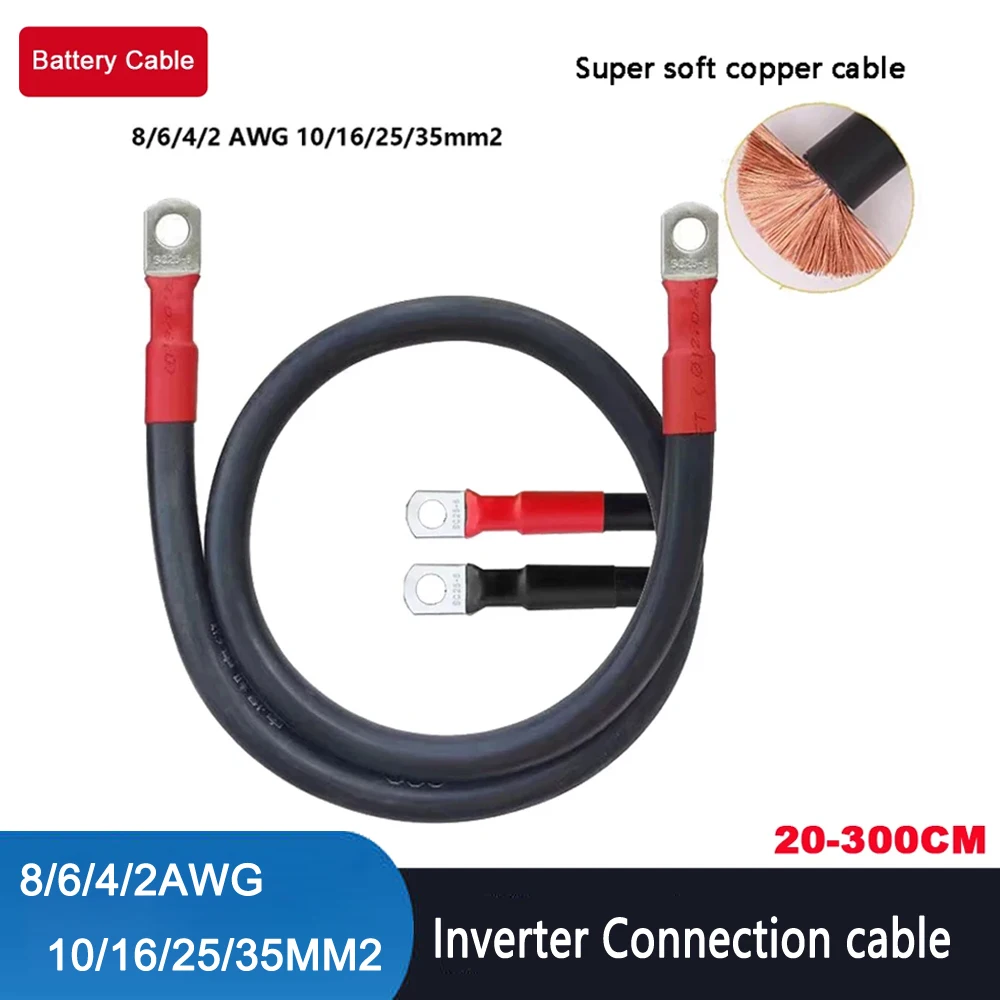
The Premium Oxygen-Free Copper Battery Inverter Cable is a high-performance electrical conduit engineered for critical power connections in solar, automotive, and UPS systems. This cable offers superior conductivity and flexibility, making it an ideal choice for enthusiasts building or upgrading robust off-grid and mobile power solutions. Its construction prioritizes minimal resistance and maximum power transfer, crucial for system efficiency.
This battery cable utilizes 99.99% pure oxygen-free copper for its conductor. This high purity level directly translates into exceptional electrical conductivity, far surpassing standard copper alloys. The individual strands are finely drawn, with the 35mm² (2AWG) variant featuring 1121*0.2mm strands, creating a highly flexible and efficient current path.
Such high-purity copper minimizes energy loss due to resistance, a critical factor in DC power applications like solar arrays or battery banks. Imagine a scenario where every watt counts; this cable ensures more power reaches its destination, whether an inverter or a charging station. Compared to cables using lower-grade copper or fewer strands, this design reduces heat generation and voltage drop, preserving the overall efficiency of the power system.
Encasing the pure copper core is a high-quality natural rubber jacket, featuring a double sheath construction. This robust insulation provides excellent wear resistance, good flame retardance, and superior protection against environmental factors. The double sheath design adds an extra layer of mechanical and electrical integrity.
This protective layer ensures the cable can withstand the rigors of engine compartments, outdoor solar installations, or the constant movement in RVs and marine applications. Its resilience guards against abrasions, oil, and chemicals, extending the operational lifespan significantly. Unlike cables with PVC insulation that can become brittle over time, the natural rubber maintains its flexibility and protective qualities in varying temperatures, a key advantage for long-term reliability.
One of the standout attributes of this cable is its super soft copper construction. The finely stranded copper, combined with the flexible rubber jacket, allows for easy routing and bending in tight spaces. Flexibility is paramount in many installations.
This pliability simplifies the installation process, reducing the effort and time required to connect components. It also minimizes stress on connection points and terminals, which can be a common failure point with stiffer cables. Consider an inverter installation in a confined battery box; the cable bends without kinking, ensuring a clean and secure connection. Standard, less flexible cables often fight back, making neat and safe routing a frustrating challenge.
The cables are pre-fitted with SC Tinned Copper Lugs, available in M6, M8, and M10 sizes. These tinned copper lugs provide excellent corrosion resistance and a secure, low-resistance connection. The lugs are color-coded (red for positive, black for negative) for clear identification.
These tinned lugs ensure a reliable electrical interface, crucial for preventing power loss and ensuring safety. The tinning process protects the copper from oxidation, maintaining optimal conductivity over years of service. The availability of multiple lug sizes ensures compatibility with a wide range of battery terminals, inverter posts, and busbars. This eliminates the need for additional crimping tools or purchasing separate lugs, streamlining the setup process.
For solar energy hobbyists, these cables are indispensable for building a self-sustaining energy system. The range of gauges, from 8AWG (10mm²) to 2AWG (35mm²), allows for precise sizing based on current draw and cable length, minimizing efficiency losses. Proper cable sizing is critical.
Calculating efficiency losses involves understanding voltage drop. A 2AWG cable, rated for 170A, will experience significantly less voltage drop over a given distance compared to a smaller 8AWG cable carrying the same current. This directly impacts the power delivered to an inverter, ensuring maximum output from battery banks. Verifying compatibility with existing solar setups is straightforward due to the industry-standard AWG and mm² sizing, ensuring seamless integration with charge controllers, batteries, and inverters.
The cables are available in various lengths, from 20CM up to 300CM, with customizable options. This flexibility allows users to order the exact length required for their specific application, minimizing excess cable and associated voltage drop. Shorter runs mean less resistance.
Customizable lengths prevent clutter and reduce material waste, contributing to a cleaner and more organized installation. This is particularly beneficial in complex off-grid systems where precise cable management is essential for safety and aesthetics. Instead of coiling up extra length or cutting and crimping, a custom-length cable provides a professional finish and optimal performance.
These cables excel in scenarios demanding high current flow and reliability, such as connecting a battery bank to a pure sine wave inverter in an RV or linking a car battery to a high-power audio amplifier. The strong conductivity ensures minimal heat buildup even under heavy loads. This is a critical safety feature.
Imagine powering a remote cabin with a solar array; the consistent power delivery from these cables ensures appliances run smoothly, without the flickering or performance degradation caused by inadequate wiring. The low eccentricity of the insulation means a uniform thickness around the conductor, preventing hot spots and ensuring consistent electrical performance. This consistency is a mark of quality engineering, providing peace of mind in critical power applications.
The double sheath design is not merely for aesthetics; it provides enhanced protection against physical damage and improves electrical isolation. This construction is often found in industrial-grade cables where reliability is paramount. It offers superior resistance to crushing and impact.
This added layer of defense is particularly valuable in mobile applications where cables might be subject to vibration or accidental bumps. It also contributes to the cable's flame retardant properties, adding an extra layer of safety to any power system. Compared to single-sheath cables, the double layer offers a significant upgrade in both durability and safety, making it a wise investment for any serious power enthusiast.
Investing in high-quality battery cables like these is an investment in the longevity and efficiency of your entire power system. The robust construction and superior materials ensure years of reliable service, reducing the need for costly replacements or troubleshooting. This cable is built to last.
Picture your off-grid cabin running flawlessly for years, your RV powered reliably on cross-country trips, or your car's electrical system performing optimally, all thanks to the foundational quality of its power connections. These cables provide the peace of mind that comes from knowing your critical power infrastructure is built on a foundation of uncompromising quality and performance. They are an essential component for anyone serious about maximizing their energy independence and system reliability.
Uncompromising Conductivity and Material Purity
This battery cable utilizes 99.99% pure oxygen-free copper for its conductor. This high purity level directly translates into exceptional electrical conductivity, far surpassing standard copper alloys. The individual strands are finely drawn, with the 35mm² (2AWG) variant featuring 1121*0.2mm strands, creating a highly flexible and efficient current path.
Such high-purity copper minimizes energy loss due to resistance, a critical factor in DC power applications like solar arrays or battery banks. Imagine a scenario where every watt counts; this cable ensures more power reaches its destination, whether an inverter or a charging station. Compared to cables using lower-grade copper or fewer strands, this design reduces heat generation and voltage drop, preserving the overall efficiency of the power system.
Durability and Environmental Resilience
Encasing the pure copper core is a high-quality natural rubber jacket, featuring a double sheath construction. This robust insulation provides excellent wear resistance, good flame retardance, and superior protection against environmental factors. The double sheath design adds an extra layer of mechanical and electrical integrity.
This protective layer ensures the cable can withstand the rigors of engine compartments, outdoor solar installations, or the constant movement in RVs and marine applications. Its resilience guards against abrasions, oil, and chemicals, extending the operational lifespan significantly. Unlike cables with PVC insulation that can become brittle over time, the natural rubber maintains its flexibility and protective qualities in varying temperatures, a key advantage for long-term reliability.
Engineered for Flexibility and Ease of Installation
One of the standout attributes of this cable is its super soft copper construction. The finely stranded copper, combined with the flexible rubber jacket, allows for easy routing and bending in tight spaces. Flexibility is paramount in many installations.
This pliability simplifies the installation process, reducing the effort and time required to connect components. It also minimizes stress on connection points and terminals, which can be a common failure point with stiffer cables. Consider an inverter installation in a confined battery box; the cable bends without kinking, ensuring a clean and secure connection. Standard, less flexible cables often fight back, making neat and safe routing a frustrating challenge.
Secure and Versatile Terminal Connections
The cables are pre-fitted with SC Tinned Copper Lugs, available in M6, M8, and M10 sizes. These tinned copper lugs provide excellent corrosion resistance and a secure, low-resistance connection. The lugs are color-coded (red for positive, black for negative) for clear identification.
These tinned lugs ensure a reliable electrical interface, crucial for preventing power loss and ensuring safety. The tinning process protects the copper from oxidation, maintaining optimal conductivity over years of service. The availability of multiple lug sizes ensures compatibility with a wide range of battery terminals, inverter posts, and busbars. This eliminates the need for additional crimping tools or purchasing separate lugs, streamlining the setup process.
Optimizing Power Transfer in Solar and Off-Grid Systems
For solar energy hobbyists, these cables are indispensable for building a self-sustaining energy system. The range of gauges, from 8AWG (10mm²) to 2AWG (35mm²), allows for precise sizing based on current draw and cable length, minimizing efficiency losses. Proper cable sizing is critical.
Calculating efficiency losses involves understanding voltage drop. A 2AWG cable, rated for 170A, will experience significantly less voltage drop over a given distance compared to a smaller 8AWG cable carrying the same current. This directly impacts the power delivered to an inverter, ensuring maximum output from battery banks. Verifying compatibility with existing solar setups is straightforward due to the industry-standard AWG and mm² sizing, ensuring seamless integration with charge controllers, batteries, and inverters.
Customizable Lengths for Tailored Solutions
The cables are available in various lengths, from 20CM up to 300CM, with customizable options. This flexibility allows users to order the exact length required for their specific application, minimizing excess cable and associated voltage drop. Shorter runs mean less resistance.
Customizable lengths prevent clutter and reduce material waste, contributing to a cleaner and more organized installation. This is particularly beneficial in complex off-grid systems where precise cable management is essential for safety and aesthetics. Instead of coiling up extra length or cutting and crimping, a custom-length cable provides a professional finish and optimal performance.
Real-World Performance and Application Versatility
These cables excel in scenarios demanding high current flow and reliability, such as connecting a battery bank to a pure sine wave inverter in an RV or linking a car battery to a high-power audio amplifier. The strong conductivity ensures minimal heat buildup even under heavy loads. This is a critical safety feature.
Imagine powering a remote cabin with a solar array; the consistent power delivery from these cables ensures appliances run smoothly, without the flickering or performance degradation caused by inadequate wiring. The low eccentricity of the insulation means a uniform thickness around the conductor, preventing hot spots and ensuring consistent electrical performance. This consistency is a mark of quality engineering, providing peace of mind in critical power applications.
The Advantage of Double Sheath Design
The double sheath design is not merely for aesthetics; it provides enhanced protection against physical damage and improves electrical isolation. This construction is often found in industrial-grade cables where reliability is paramount. It offers superior resistance to crushing and impact.
This added layer of defense is particularly valuable in mobile applications where cables might be subject to vibration or accidental bumps. It also contributes to the cable's flame retardant properties, adding an extra layer of safety to any power system. Compared to single-sheath cables, the double layer offers a significant upgrade in both durability and safety, making it a wise investment for any serious power enthusiast.
Future-Proofing Your Power System
Investing in high-quality battery cables like these is an investment in the longevity and efficiency of your entire power system. The robust construction and superior materials ensure years of reliable service, reducing the need for costly replacements or troubleshooting. This cable is built to last.
Picture your off-grid cabin running flawlessly for years, your RV powered reliably on cross-country trips, or your car's electrical system performing optimally, all thanks to the foundational quality of its power connections. These cables provide the peace of mind that comes from knowing your critical power infrastructure is built on a foundation of uncompromising quality and performance. They are an essential component for anyone serious about maximizing their energy independence and system reliability.