Sheepskin Beekeeping Gloves with Mesh Ventilation Sleeves
Official Store Deal
Expert Analysis Overview
The Barrier Between Flesh and Stingers
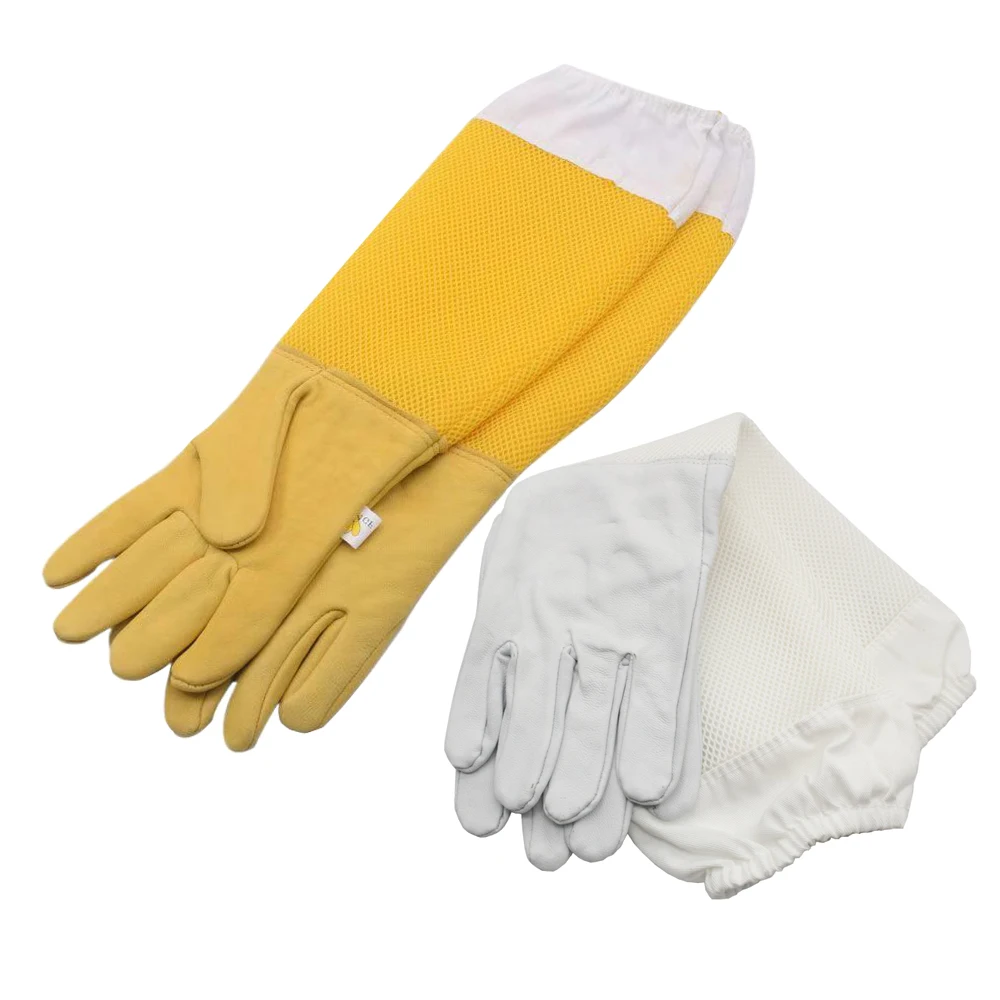
Sheepskin Beekeeping Gloves are a high-dexterity protective solution for apiarists who prioritize tactile feedback and heat management during hive inspections. Safety shouldn't mean clumsiness. These gloves utilize premium sheepskin leather on the palms and fingers. This leather is thin. It allows for precision. When a queen needs to be marked or a delicate frame needs lifting, the material transmits the necessary sensations to the fingertips. Standard cowhide gloves often feel like wearing heavy-duty oven mitts. They are stiff. They lack nuance. These sheepskin alternatives feel like a second skin.
Working with bees requires a calm hand. Jerky movements cause aggression. Because these gloves offer such high sensitivity, movements remain fluid and controlled. This lowers hive stress. It saves time. A faster inspection means more time relaxing in the shade. The leather is naturally soft. It stays pliable. Unlike cheaper synthetic materials that crack under the sun, this leather maintains its structural integrity over dozens of uses.
Ventilation for Mid-Summer Inspections
Beekeeping is hot work. The sun beats down. Standard protective gear traps heat. These gloves combat the swampy feeling of sweaty forearms with integrated 3D Mesh Sleeves. The mesh is breathable. Air moves through easily. Imagine a slight breeze hitting the arms while prying a stuck lid. The mesh facilitates that cooling. It prevents moisture buildup. Sweat is a nuisance. It makes gloves slippery. By venting the heat before it reaches the palm, the grip remains secure.
This specific mesh design uses a multi-layered weave. It is thick. Stinger penetration is difficult. While a determined bee might find a way through, the thickness of the mesh creates a physical gap between the insect and the skin. This is the path of least resistance for airflow. It works well. Most gardeners hate being hot. These gloves solve that. They provide comfort.
The Elastic Security System
Protection is only as good as the seal. A single bee inside a glove causes panic. These gloves employ heavy-duty elastic cuffs at the top of the sleeve and at the wrist junction. They fit tight. No hitchhikers allowed. The sleeves extend all the way to the elbow or higher, depending on the arm length. This ensures the gap between the beekeeping suit and the hands is completely bridged.
Imagine reaching into a crowded hive box. Bees are everywhere. The extra-long canvas sleeves protect against accidental brushes against the hive walls. The material is tough. It resists tears. If the sleeve catches on a wooden splinter or a metal hive tool, the reinforced canvas holds its ground. This is vital. Equipment failure is dangerous. These gloves prevent it.
Dexterity vs. Safety
There is always a trade-off between thickness and feel. These gloves favor the feel. Sheepskin is strong but thin. It stops most stings. However, a direct hit from an angry worker might still be felt. This is acceptable. The gain in dexterity is worth the minor risk. Precision prevents stings. If a frame is dropped because of bulky gloves, the bees will attack. If the frame is moved smoothly, stings are rare. Tactile feedback is safety.
Consider the act of scraping propolis. A hive tool requires a firm, specific grip. The sheepskin provides that friction. It isn't slippery. Even when covered in a light dusting of pollen or a smear of honey, the leather maintains its grab. This is essential for preventing accidents. Heavy gloves fail here. These gloves succeed.
Comparing the Industry Standards
Compared to basic rubber or generic industrial gloves, these are a massive upgrade. Rubber makes hands prune. It smells bad. Sheepskin is a natural fiber. It is comfortable. Compared to professional-grade heavy cowhide, these are lighter. They are cooler. For a hobbyist with two or three hives, these are the ideal choice. They don't require a long break-in period. They work immediately.
Professional gear can be overkill. It is heavy. It is expensive. For the lazy gardener who wants to check the bees and get back to the patio, these are the shortcut. They offer the right balance of price and protection. The yellow and white color scheme isn't just for show. It makes the gloves easy to find in a messy shed. No searching for lost gear. They stand out.
Maintenance for the Minimalist
Cleaning is a chore. Nobody likes it. These gloves require very little. A quick wipe with a damp cloth removes most honey. Propolis can be frozen and chipped off. If they get wet, they should air dry. Do not use heat. Heat ruins the leather. It makes it brittle. Keep them in a cool spot.
With proper care, a pair lasts several seasons. The stitching is reinforced at the thumb. This is a high-stress point. It won't pop easily. The canvas is thick. It resists fraying. For a budget-friendly tool, the build quality is surprising. It feels solid. It feels reliable.
Owning these gloves changes the hive experience. Inspections become less of a chore. Fear of stings vanishes. The hands stay cool. The work gets done faster. Picture walking out to the apiary on a Saturday morning. The sun is out. The gloves slide on easily. The elastic snaps into place. You feel protected but light. You move through the hive with the grace of a pro. No sweat. No stings. Just honey and success.