Slim Solid State Relay SSR-41FDA/FDD
Official Store Deal
Expert Analysis Overview
Precision in Miniature: The SSR-41FDA and SSR-41FDD Solid State Relays
The SSR-41FDA and SSR-41FDD are compact, high-performance solid state relays engineered for precise control within demanding electrical systems. These units represent a significant upgrade over traditional electromechanical relays, offering enhanced reliability and silent operation for critical applications. The design prioritizes space efficiency, making them ideal for integration into modern, densely packed control panels or printed circuit board assemblies. Their robust construction ensures consistent performance where mechanical wear is unacceptable.
Silent Switching Dynamics
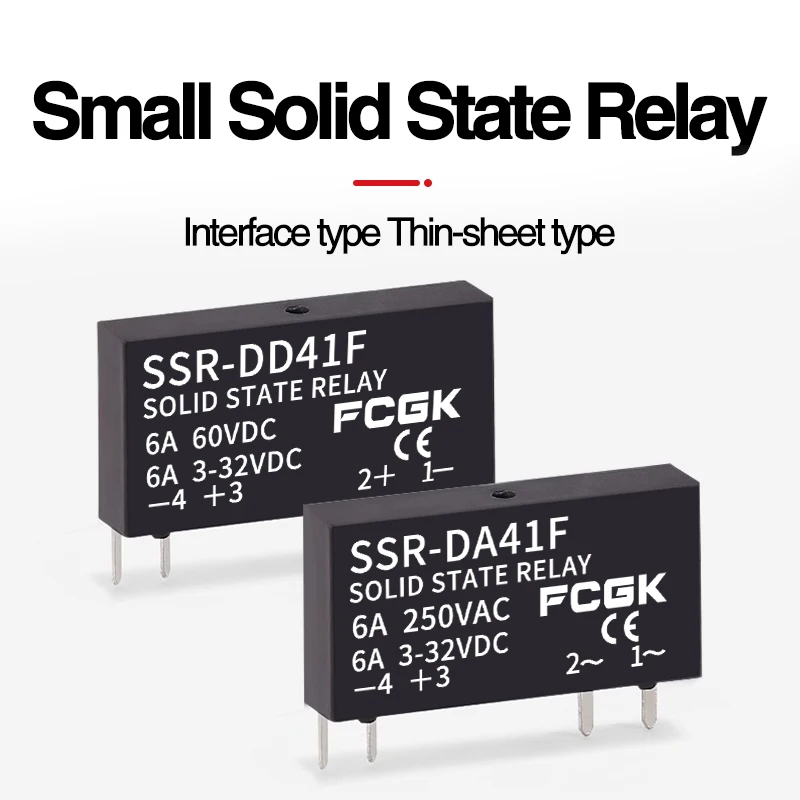
At its core, a solid state relay (SSR) functions as an electronic switch, devoid of any moving parts. The SSR-41FDA model is specifically designed for DC controlled AC loads, handling alternating current outputs with a direct current control signal. Conversely, the SSR-41FDD variant manages DC controlled DC loads, providing a direct current output based on a DC control input. Both models are rated for a 6A load current, a capacity suitable for a wide array of industrial and automation tasks.
Consider a scenario in industrial automation where a motor or heating element requires frequent, rapid switching. Traditional mechanical relays would suffer from contact wear, arcing, and eventual failure, leading to costly downtime. These SSRs eliminate such concerns. Their electronic switching mechanism ensures millions of cycles without degradation, maintaining consistent performance over an extended operational lifespan. This is a significant advantage.
Compared to the audible click and limited lifespan of electromechanical relays, these solid state counterparts offer silent operation. This characteristic is particularly beneficial in noise-sensitive environments, such as medical equipment, office automation, or residential control systems. The absence of arcing also reduces electromagnetic interference (EMI), contributing to a cleaner electrical environment for sensitive electronics. This is a clear upgrade.
Electrical Integrity and Compliance
Electrical specifications are paramount for safety and functionality. Both SSR models operate with a control voltage of 3-32VDC, making them directly compatible with common programmable logic controllers (PLCs), microcontrollers, and other low-voltage control circuits. The SSR-41FDA handles load voltages from 24-250VAC, while the SSR-41FDD manages 5-60VDC loads. This versatility covers a broad spectrum of applications, from controlling small AC motors to switching DC solenoids.
Proper load calculation is critical. The 6A load current rating necessitates careful consideration of the connected device's power consumption. Overloading any relay, solid state or mechanical, can lead to excessive heat generation, potentially causing component failure or, in severe cases, an electrical fire. Always ensure the wire gauge used for the load circuit is appropriate for the 6A current to prevent overheating of conductors. The terminals themselves appear sturdy, designed for reliable connections.
These relays boast an off-state time of less than or equal to 10 milliseconds (<=10mS). This rapid response time is crucial for applications requiring precise timing and quick system reactions, such as in process control or safety interlocks. Compared to older, slower switching technologies, this swift disengagement ensures that controlled circuits respond almost instantaneously to control signals, enhancing overall system responsiveness and safety. The CE marking on the casing indicates compliance with European safety standards, providing a baseline assurance of quality and electrical safety.
Seamless System Integration
The physical dimensions of these relays are remarkably compact: 28mm in length, 14.5mm in width, and 5mm pin spacing. This thin-sheet, interface-type form factor is designed for high-density mounting. The black, dense casing suggests a robust encapsulation, protecting the internal electronics from environmental factors. The pins themselves appear to be of good quality, ensuring reliable solder joints or secure connections within a compatible socket.
Installation is straightforward. The pin configuration is suitable for direct PCB mounting or insertion into a dedicated relay socket, which would then allow for DIN rail mounting. This flexibility simplifies integration into various control panel designs, from custom circuit Boards to standardized industrial enclosures. The compact footprint allows engineers to design smaller, more efficient control systems, reducing overall enclosure size and material costs. Space is often at a premium.
Unlike bulkier, older generation SSRs that often required significant panel space and external heat sinks for lower current ratings, these slim relays offer a streamlined solution. Their design minimizes the physical impact on a control system, allowing for more components in the same footprint or a reduction in the overall size of the equipment. This efficiency translates directly into cost savings and improved system aesthetics. The small size is a major benefit.
Enduring Performance Metrics
The solid-state nature of these relays inherently provides superior longevity compared to their mechanical counterparts. With no moving parts to wear out, no contacts to arc and pit, and no springs to fatigue, the operational lifespan is significantly extended. This translates into reduced maintenance requirements and fewer system failures, particularly in applications with high switching frequencies.
Imagine a critical manufacturing line where a component fails every few months due to relay wear. Replacing that component involves downtime, labor costs, and potential production losses. By upgrading to solid state relays like the SSR-41FDA/FDD, such failures become far less frequent. The initial investment in these reliable components pays dividends through increased uptime and reduced operational expenses over the long term. This is true value.
Furthermore, the consistent performance of solid state relays means less variability in system operation. Mechanical relays can exhibit contact bounce, leading to erratic switching and potential damage to sensitive loads. These SSRs provide clean, bounce-free switching, ensuring stable and predictable control signals. This precision is vital for modern control systems that demand high accuracy and repeatability.
The Strategic Advantage of Solid State
These slim solid state relays offer a compelling value proposition for anyone designing or maintaining electrical control systems. Their ability to provide silent, high-speed, and reliable switching for both AC and DC loads, all within a compact form factor, positions them as an essential component for modern automation. The low price point, especially when considering the long-term benefits of reduced maintenance and increased system uptime, makes them an economically sound choice.
Unlike generic, uncertified switching components that might compromise safety or reliability, these CE-marked relays provide a level of assurance. Their robust design and adherence to specified electrical parameters ensure that they will perform as expected, minimizing risks associated with electrical control. This transparency in specification and certification is crucial for professional applications.
Picture your next control panel design: clean, efficient, and reliable. With the SSR-41FDA or SSR-41FDD, you gain the ability to implement precise control without the bulk, noise, or maintenance headaches of older technologies. These relays empower engineers to create more sophisticated and dependable systems, ensuring smooth operation and peace of mind for years to come. The future of control is solid state, and these relays deliver that capability today.