Smart USB PIR Motion Sensor Switch for LED Lighting
Official Store Deal
Expert Analysis Overview
The Smart USB PIR Motion Sensor Switch is an efficient, localized automation solution tailored for integrating human presence detection with low-voltage LED lighting setups. It represents a streamlined approach to intelligent illumination, prioritizing direct functionality and energy conservation over complex smart home ecosystems. This device is an upgrade for any space where hands-free lighting control is desired, eliminating the perpetual need for manual interaction with physical switches. It streamlines daily routines through reactive illumination.
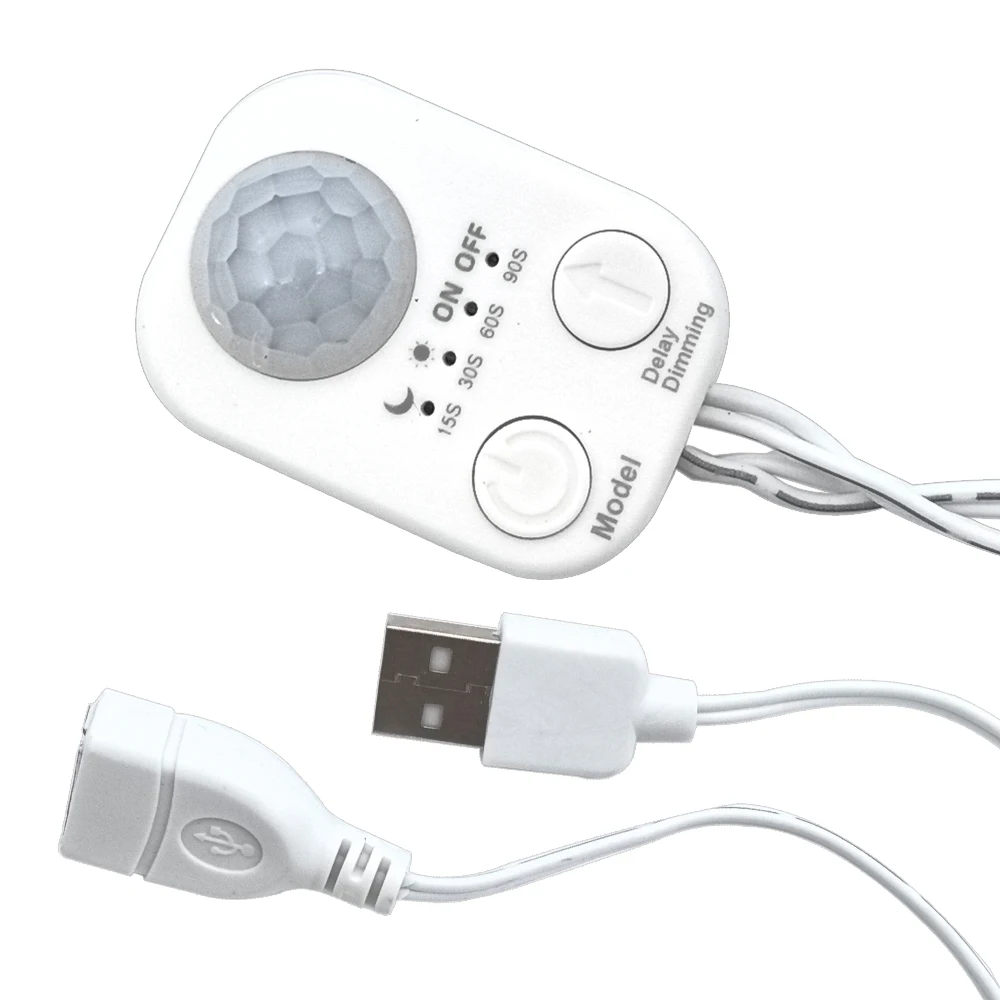
This sensor integrates a Passive Infrared (PIR) module, a common technology in security and automation. The visual input clearly shows the domed PIR lens, designed to detect infrared radiation emitted by moving bodies. It is a simple, effective method.
For users, this translates into immediate, responsive lighting. When a person enters the detection zone, the lights activate automatically. This reduces fumbling for switches in the dark, a significant convenience in hallways, closets, or under-cabinet installations. The system reacts to presence.
Compared to traditional toggle switches, this sensor offers a significant leap in convenience. It removes a repetitive manual task, making spaces feel more responsive and modern. This is automation at its most fundamental and useful.
Visual analysis indicates a 120-degree detection angle and a 3-meter detection distance. These specifications are clearly marked on the product imagery. The sensor's effective zone is broad enough for most residential applications.
This broad detection area ensures comprehensive coverage in typical rooms or pathways. Movement within this arc triggers the lighting, providing consistent illumination where and when it is needed. Users experience reliable activation.
Many basic motion sensors offer narrower fields of view, leading to blind spots. This wider angle minimizes such issues, ensuring fewer instances of walking into an unlit space. It is a practical design choice.
The device supports a versatile DC 5V-24V input voltage, with both USB Male 2.0 and DC 5.5/2.1mm Male connectors for input. Output is via USB Female 2.0 or DC 5.5/2.1mm Female connectors. This offers broad compatibility.
This dual-connectivity approach means the sensor can power a wide array of LED strips, often found in low-voltage applications. Whether an existing USB power brick or a standard DC adapter is available, this sensor integrates seamlessly. Powering options are flexible.
Unlike systems locked into a single power input, this sensor provides adaptability. It integrates into various existing low-voltage setups without requiring specialized power supplies. This simplifies installation for many users.
Control is managed via two physical buttons: "Model" and "Delay Dimming." The "Model" button cycles through operating modes: Day, Night, ON, and OFF. The "Delay Dimming" button adjusts the lighting duration (15s, 30s, 60s, 90s, 120s, 300s, 600s) and brightness levels.
These tactile controls allow users to tailor the sensor's behavior to specific environmental needs. Want lights to stay on longer in a workshop? Adjust the delay. Need softer illumination at night? Dim it down. Customization is direct.
Many entry-level sensors offer fixed settings, limiting their utility. This sensor's adjustable parameters provide a degree of flexibility that enhances its practical application in diverse settings. It offers more control.
The "Day" mode typically means the lights only activate if motion is detected *and* the ambient light is low. The "Night" mode activates lights solely based on motion, regardless of ambient light. "ON" keeps the lights continuously active, and "OFF" deactivates them entirely. These modes cater to varied preferences.
For a voice control fanatic, the absence of direct voice commands might seem like a drawback. However, these intelligent modes reduce the *need* for verbal commands by automating decisions based on environmental factors. The sensor makes smart choices.
This level of automated decision-making surpasses basic on/off switches, anticipating user needs without requiring constant input. It is a step towards a truly hands-free environment. Automation reduces interaction.
Long-pressing the "Delay Dimming" button enables brightness adjustments, while short presses cycle through delay times. This dual function streamlines the interface. Users can fine-tune the output.
The ability to modify both the duration and intensity of lighting directly from the unit offers granular control. This ensures energy isn't wasted by lights staying on too long, and illumination levels match the task. Efficiency is paramount.
Fixed-brightness or fixed-delay sensors often lead to compromises in user experience or energy consumption. This sensor's adjustability provides a more refined and efficient lighting solution. It adapts to the user.
This sensor's value lies in its direct, efficient automation for specific lighting zones. It offers a clear upgrade from purely manual lighting, providing immediate convenience and energy savings. The cost-per-use is exceptionally low given its functionality.
While this device does not offer direct integration with voice assistants like Alexa or Google Home, its localized automation frees users from the need to physically interact with switches. For those building simple, responsive lighting setups without the complexity of a full smart home hub, this is an ideal component. It removes a common friction point.
Imagine walking into a closet or pantry, and the lights simply turn on without a word or a touch. This sensor delivers that experience reliably. It excels in its niche of providing simple, effective motion-activated lighting, contributing to a more comfortable, effortless living space. The setup is straightforward. This allows users to eliminate the need for physical switches in specific areas, contributing to a more modern and convenient home. You can set up localized routines easily, such as having lights turn on only at night for a short duration. This sensor makes your home more responsive and less demanding of your attention. It quietly ensures illumination when and where it's needed, allowing you to enjoy your space without interruption. Your everyday interactions with lighting become seamless and intuitive. It simply works.
Intuitive Automation Core
This sensor integrates a Passive Infrared (PIR) module, a common technology in security and automation. The visual input clearly shows the domed PIR lens, designed to detect infrared radiation emitted by moving bodies. It is a simple, effective method.
For users, this translates into immediate, responsive lighting. When a person enters the detection zone, the lights activate automatically. This reduces fumbling for switches in the dark, a significant convenience in hallways, closets, or under-cabinet installations. The system reacts to presence.
Compared to traditional toggle switches, this sensor offers a significant leap in convenience. It removes a repetitive manual task, making spaces feel more responsive and modern. This is automation at its most fundamental and useful.
Detection Precision and Range
Visual analysis indicates a 120-degree detection angle and a 3-meter detection distance. These specifications are clearly marked on the product imagery. The sensor's effective zone is broad enough for most residential applications.
This broad detection area ensures comprehensive coverage in typical rooms or pathways. Movement within this arc triggers the lighting, providing consistent illumination where and when it is needed. Users experience reliable activation.
Many basic motion sensors offer narrower fields of view, leading to blind spots. This wider angle minimizes such issues, ensuring fewer instances of walking into an unlit space. It is a practical design choice.
Powering Your Illumination
The device supports a versatile DC 5V-24V input voltage, with both USB Male 2.0 and DC 5.5/2.1mm Male connectors for input. Output is via USB Female 2.0 or DC 5.5/2.1mm Female connectors. This offers broad compatibility.
This dual-connectivity approach means the sensor can power a wide array of LED strips, often found in low-voltage applications. Whether an existing USB power brick or a standard DC adapter is available, this sensor integrates seamlessly. Powering options are flexible.
Unlike systems locked into a single power input, this sensor provides adaptability. It integrates into various existing low-voltage setups without requiring specialized power supplies. This simplifies installation for many users.
User Interaction and Customization
Control is managed via two physical buttons: "Model" and "Delay Dimming." The "Model" button cycles through operating modes: Day, Night, ON, and OFF. The "Delay Dimming" button adjusts the lighting duration (15s, 30s, 60s, 90s, 120s, 300s, 600s) and brightness levels.
These tactile controls allow users to tailor the sensor's behavior to specific environmental needs. Want lights to stay on longer in a workshop? Adjust the delay. Need softer illumination at night? Dim it down. Customization is direct.
Many entry-level sensors offer fixed settings, limiting their utility. This sensor's adjustable parameters provide a degree of flexibility that enhances its practical application in diverse settings. It offers more control.
Operational Modes Explained
The "Day" mode typically means the lights only activate if motion is detected *and* the ambient light is low. The "Night" mode activates lights solely based on motion, regardless of ambient light. "ON" keeps the lights continuously active, and "OFF" deactivates them entirely. These modes cater to varied preferences.
For a voice control fanatic, the absence of direct voice commands might seem like a drawback. However, these intelligent modes reduce the *need* for verbal commands by automating decisions based on environmental factors. The sensor makes smart choices.
This level of automated decision-making surpasses basic on/off switches, anticipating user needs without requiring constant input. It is a step towards a truly hands-free environment. Automation reduces interaction.
Brightness and Delay Adjustments
Long-pressing the "Delay Dimming" button enables brightness adjustments, while short presses cycle through delay times. This dual function streamlines the interface. Users can fine-tune the output.
The ability to modify both the duration and intensity of lighting directly from the unit offers granular control. This ensures energy isn't wasted by lights staying on too long, and illumination levels match the task. Efficiency is paramount.
Fixed-brightness or fixed-delay sensors often lead to compromises in user experience or energy consumption. This sensor's adjustability provides a more refined and efficient lighting solution. It adapts to the user.
Value Proposition and Smart Home Integration Considerations
This sensor's value lies in its direct, efficient automation for specific lighting zones. It offers a clear upgrade from purely manual lighting, providing immediate convenience and energy savings. The cost-per-use is exceptionally low given its functionality.
While this device does not offer direct integration with voice assistants like Alexa or Google Home, its localized automation frees users from the need to physically interact with switches. For those building simple, responsive lighting setups without the complexity of a full smart home hub, this is an ideal component. It removes a common friction point.
Imagine walking into a closet or pantry, and the lights simply turn on without a word or a touch. This sensor delivers that experience reliably. It excels in its niche of providing simple, effective motion-activated lighting, contributing to a more comfortable, effortless living space. The setup is straightforward. This allows users to eliminate the need for physical switches in specific areas, contributing to a more modern and convenient home. You can set up localized routines easily, such as having lights turn on only at night for a short duration. This sensor makes your home more responsive and less demanding of your attention. It quietly ensures illumination when and where it's needed, allowing you to enjoy your space without interruption. Your everyday interactions with lighting become seamless and intuitive. It simply works.