Solar Photovoltaic MC4 Connectors with M12 Thread
Official Store Deal
Expert Analysis Overview
The ZIXH MC4 Solar Photovoltaic Connector is a critical component designed for robust, weatherproof electrical connections within solar panel arrays and inverter systems. Its engineering prioritizes long-term reliability. This is not a simple plug. It represents an engineered interface for demanding outdoor environments, ensuring consistent power flow and system longevity. The meticulous design addresses common failure points in solar installations, offering a superior alternative to generic options that often fall short in durability and performance. This connector protects your investment.
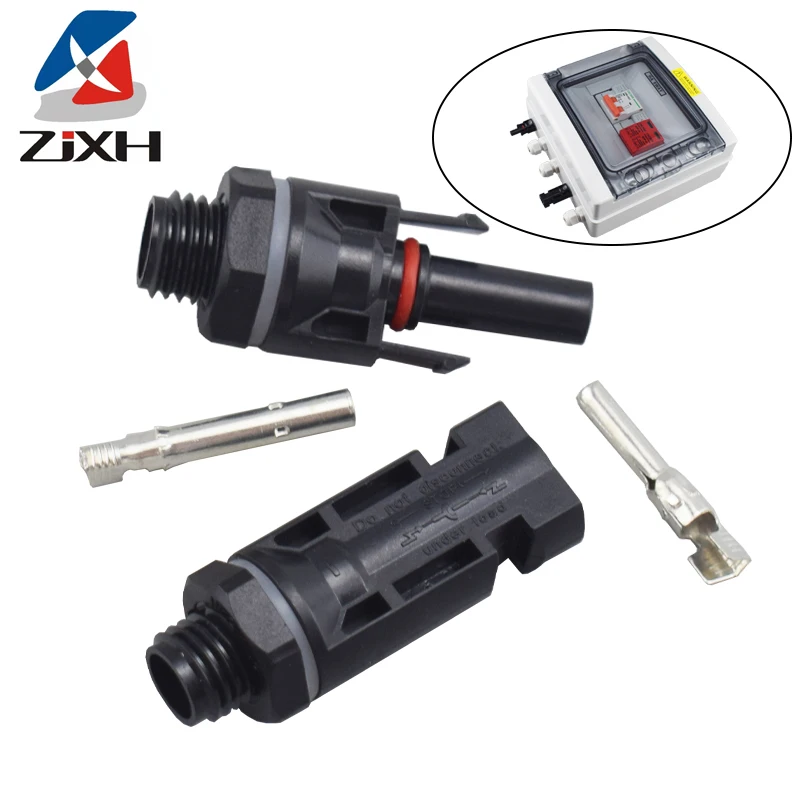
The MC4 standard defines these male and female connectors, visible with their distinct locking mechanisms. They feature an M12 x 1.5 thread for secure fastening. Rated for a working voltage of less than 1000V DC and a working current of less than 30A, these units handle substantial power loads. The test voltage is an impressive DC6000V.
This robust specification ensures a stable solar array. Intermittent power issues are minimized. Consistent energy harvest becomes the norm. Such reliability is paramount for system owners who depend on uninterrupted power generation, especially in grid-tied or off-grid setups where downtime is costly.
Older, non-standardized connectors often lack these precise ratings. They introduce potential failure points, leading to voltage drops or current limitations. These ZIXH connectors offer superior safety and efficiency. They represent a significant upgrade in system integrity and operational peace of mind.
The core contacts are copper, meticulously silver-plated. This silver plating is clearly visible on the pin and socket components. Plug resistance remains below 1 milliohm. This is an excellent figure.
Silver plating critically minimizes contact resistance. This reduces heat buildup at the connection point. Energy loss is also significantly cut. Maximum power transfer from panels to inverter is thus maintained, ensuring that every watt generated reaches its destination efficiently. This directly impacts system output.
Plain copper or brass contacts oxidize faster over time. They lead to higher resistance. This degrades system efficiency and can create hot spots. Silver plating extends operational life and maintains peak performance throughout the system's lifespan.
An IP67 rating defines the environmental protection level of these connectors. It's a high standard for outdoor electrical components. The robust black polycarbonate sheathing feels dense and durable.
IP67 means complete dust protection. It also allows immersion in up to one meter of water for 30 minutes. This is crucial for outdoor solar installations where components are exposed to rain, snow, and dust. The seals are tight.
This rating far surpasses basic weather resistance. It offers superior protection against environmental factors. These factors commonly degrade outdoor electrical connections, compromising safety and performance. The IP67 rating secures the system's integrity against the harshest conditions.
Wire compatibility spans 2.5mm², 4.0mm², and 6.0mm² cable cross-sections. The M12 x 1.5 thread secures the connection, providing a tactile sense of security when tightened. The connector bodies exhibit precise molding.
Proper crimping for these specific wire gauges is vital. A precise crimp ensures low resistance. This prevents arc faults and hot spots, which are significant safety concerns. The M12 thread provides a secure mechanical lock, resisting loosening from environmental factors.
Unlike screw terminals, which can loosen over time due to thermal cycling or vibration, crimped and threaded connections offer a vibration-resistant, long-lasting bond. This is essential for rooftop or ground-mount systems where stability is paramount.
Working voltage is specified at less than 1000V DC. Current capacity is less than 30A. The test voltage reaches an impressive DC6000V, indicating robust dielectric strength. These are serious ratings.
These ratings suit most residential and commercial solar arrays. The 1000V capacity offers ample headroom for series-connected panels, preventing voltage breakdown. 30A handles significant power flow without overheating. This ensures stable operation even under peak solar irradiance.
Lower-rated connectors create bottlenecks. They limit system expansion. They risk failure under peak load, potentially damaging connected equipment. These connectors offer a safer, more scalable choice for evolving solar installations.
Insulation resistance exceeds 500 megohms. The class of pollution is rated CAT III/2. These figures are critical for electrical safety.
High insulation resistance prevents current leakage. This enhances safety for installers and users. System efficiency also improves by minimizing stray currents. CAT III/2 indicates suitability for fixed installations, handling some transient overvoltages common in outdoor electrical systems.
Generic connectors often lack specified insulation resistance. This poses a significant shock hazard. Potential for ground faults exists. These connectors actively mitigate such risks, providing a crucial layer of protection against electrical incidents.
The sheathing material is PC Black, a polycarbonate compound. The core is silver-plated copper, as observed on the metallic contacts. The plastic feels solid, not hollow.
Polycarbonate (PC) sheathing offers excellent UV resistance. It provides mechanical strength, resisting impacts and abrasions. This is crucial for components exposed to direct sunlight and physical stress over many years. The black color helps dissipate heat.
Inferior plastics become brittle over time. They crack under UV exposure, compromising the waterproof seal. These materials are selected for their longevity and ability to maintain structural integrity in harsh outdoor conditions, ensuring the connector's seal remains intact.
The M12 x 1.5 thread is a key feature of the connector's mechanical design. The threading is clean and precise, suggesting good mold quality. The nut turns smoothly.
This thread provides a robust, secure connection. It resists loosening from vibration, a common issue in outdoor installations. Thermal expansion and contraction are also managed effectively. Mechanical stability is vital. It maintains electrical contact for decades, preventing intermittent connections.
Simple push-fit connectors lack this level of mechanical integrity. They offer inferior pull-out strength. Their long-term seal against environmental ingress is less reliable. The threaded design is superior for permanent, high-reliability installations.
The operating temperature range is specified as -40°C to +105°C. This wide range is essential for global solar applications. This broad tolerance is impressive.
This wide range ensures functionality in extreme climates. Freezing winters and scorching summers are accommodated without material degradation. Thermal cycling is a major stressor for outdoor electrical components. These connectors endure it without compromise.
Connectors with narrower temperature tolerances degrade faster. They crack or fail when temperatures swing significantly. This leads to premature system faults. These connectors offer peace of mind, knowing they will perform reliably in diverse environmental conditions.
The integrated design, combining robust materials and precise manufacturing, is engineered to prevent common failure points. The tight seals and secure contacts are evident.
Robust construction minimizes risks. Arc faults, hot spots, and moisture ingress are significantly reduced. These are prevalent failure modes in solar installations, leading to power loss or safety hazards. The design directly addresses these vulnerabilities.
Many field failures stem from inadequate connection quality. These connectors are engineered to prevent such issues. They secure the entire system, protecting both the energy output and the safety of the installation.
A pair of these connectors costs approximately $3.50 USD. This initial outlay is minimal compared to the overall system cost. It's a small investment.
This small investment protects a larger one. Solar panel arrays and inverters are expensive, long-term assets. High-quality connectors are a prudent decision, safeguarding the integrity of the entire system for years to come.
Replacing a faulty connector is costly in terms of labor and downtime. Repairing system damage caused by poor connections is even more so. Initial savings from choosing cheaper, less reliable alternatives are quickly negated by subsequent maintenance and repair expenses.
Imagine a solar array operating flawlessly for decades. Picture consistent energy production, minimal maintenance, and the peace of mind that comes from knowing every connection is secure. These ZIXH MC4 connectors deliver that foundational reliability. They ensure your solar investment performs optimally, providing a dependable conduit for renewable energy. This is smart engineering, built for the long haul.
Precision Engineering for Solar Longevity
The MC4 standard defines these male and female connectors, visible with their distinct locking mechanisms. They feature an M12 x 1.5 thread for secure fastening. Rated for a working voltage of less than 1000V DC and a working current of less than 30A, these units handle substantial power loads. The test voltage is an impressive DC6000V.
This robust specification ensures a stable solar array. Intermittent power issues are minimized. Consistent energy harvest becomes the norm. Such reliability is paramount for system owners who depend on uninterrupted power generation, especially in grid-tied or off-grid setups where downtime is costly.
Older, non-standardized connectors often lack these precise ratings. They introduce potential failure points, leading to voltage drops or current limitations. These ZIXH connectors offer superior safety and efficiency. They represent a significant upgrade in system integrity and operational peace of mind.
The Core Connection: Durability and Conductivity
The core contacts are copper, meticulously silver-plated. This silver plating is clearly visible on the pin and socket components. Plug resistance remains below 1 milliohm. This is an excellent figure.
Silver plating critically minimizes contact resistance. This reduces heat buildup at the connection point. Energy loss is also significantly cut. Maximum power transfer from panels to inverter is thus maintained, ensuring that every watt generated reaches its destination efficiently. This directly impacts system output.
Plain copper or brass contacts oxidize faster over time. They lead to higher resistance. This degrades system efficiency and can create hot spots. Silver plating extends operational life and maintains peak performance throughout the system's lifespan.
Weathering the Elements: IP67 Rated Protection
An IP67 rating defines the environmental protection level of these connectors. It's a high standard for outdoor electrical components. The robust black polycarbonate sheathing feels dense and durable.
IP67 means complete dust protection. It also allows immersion in up to one meter of water for 30 minutes. This is crucial for outdoor solar installations where components are exposed to rain, snow, and dust. The seals are tight.
This rating far surpasses basic weather resistance. It offers superior protection against environmental factors. These factors commonly degrade outdoor electrical connections, compromising safety and performance. The IP67 rating secures the system's integrity against the harshest conditions.
Installation Integrity: A Technician's Perspective
Wire compatibility spans 2.5mm², 4.0mm², and 6.0mm² cable cross-sections. The M12 x 1.5 thread secures the connection, providing a tactile sense of security when tightened. The connector bodies exhibit precise molding.
Proper crimping for these specific wire gauges is vital. A precise crimp ensures low resistance. This prevents arc faults and hot spots, which are significant safety concerns. The M12 thread provides a secure mechanical lock, resisting loosening from environmental factors.
Unlike screw terminals, which can loosen over time due to thermal cycling or vibration, crimped and threaded connections offer a vibration-resistant, long-lasting bond. This is essential for rooftop or ground-mount systems where stability is paramount.
Electrical Performance Under Load
Working voltage is specified at less than 1000V DC. Current capacity is less than 30A. The test voltage reaches an impressive DC6000V, indicating robust dielectric strength. These are serious ratings.
These ratings suit most residential and commercial solar arrays. The 1000V capacity offers ample headroom for series-connected panels, preventing voltage breakdown. 30A handles significant power flow without overheating. This ensures stable operation even under peak solar irradiance.
Lower-rated connectors create bottlenecks. They limit system expansion. They risk failure under peak load, potentially damaging connected equipment. These connectors offer a safer, more scalable choice for evolving solar installations.
Insulation Resistance and Safety Margins
Insulation resistance exceeds 500 megohms. The class of pollution is rated CAT III/2. These figures are critical for electrical safety.
High insulation resistance prevents current leakage. This enhances safety for installers and users. System efficiency also improves by minimizing stray currents. CAT III/2 indicates suitability for fixed installations, handling some transient overvoltages common in outdoor electrical systems.
Generic connectors often lack specified insulation resistance. This poses a significant shock hazard. Potential for ground faults exists. These connectors actively mitigate such risks, providing a crucial layer of protection against electrical incidents.
Material Science and Build Quality
The sheathing material is PC Black, a polycarbonate compound. The core is silver-plated copper, as observed on the metallic contacts. The plastic feels solid, not hollow.
Polycarbonate (PC) sheathing offers excellent UV resistance. It provides mechanical strength, resisting impacts and abrasions. This is crucial for components exposed to direct sunlight and physical stress over many years. The black color helps dissipate heat.
Inferior plastics become brittle over time. They crack under UV exposure, compromising the waterproof seal. These materials are selected for their longevity and ability to maintain structural integrity in harsh outdoor conditions, ensuring the connector's seal remains intact.
Mechanical Design and Threading
The M12 x 1.5 thread is a key feature of the connector's mechanical design. The threading is clean and precise, suggesting good mold quality. The nut turns smoothly.
This thread provides a robust, secure connection. It resists loosening from vibration, a common issue in outdoor installations. Thermal expansion and contraction are also managed effectively. Mechanical stability is vital. It maintains electrical contact for decades, preventing intermittent connections.
Simple push-fit connectors lack this level of mechanical integrity. They offer inferior pull-out strength. Their long-term seal against environmental ingress is less reliable. The threaded design is superior for permanent, high-reliability installations.
Long-Term Reliability and Maintenance
The operating temperature range is specified as -40°C to +105°C. This wide range is essential for global solar applications. This broad tolerance is impressive.
This wide range ensures functionality in extreme climates. Freezing winters and scorching summers are accommodated without material degradation. Thermal cycling is a major stressor for outdoor electrical components. These connectors endure it without compromise.
Connectors with narrower temperature tolerances degrade faster. They crack or fail when temperatures swing significantly. This leads to premature system faults. These connectors offer peace of mind, knowing they will perform reliably in diverse environmental conditions.
Preventing Common Failure Points
The integrated design, combining robust materials and precise manufacturing, is engineered to prevent common failure points. The tight seals and secure contacts are evident.
Robust construction minimizes risks. Arc faults, hot spots, and moisture ingress are significantly reduced. These are prevalent failure modes in solar installations, leading to power loss or safety hazards. The design directly addresses these vulnerabilities.
Many field failures stem from inadequate connection quality. These connectors are engineered to prevent such issues. They secure the entire system, protecting both the energy output and the safety of the installation.
The Value of a Secure Connection
A pair of these connectors costs approximately $3.50 USD. This initial outlay is minimal compared to the overall system cost. It's a small investment.
This small investment protects a larger one. Solar panel arrays and inverters are expensive, long-term assets. High-quality connectors are a prudent decision, safeguarding the integrity of the entire system for years to come.
Replacing a faulty connector is costly in terms of labor and downtime. Repairing system damage caused by poor connections is even more so. Initial savings from choosing cheaper, less reliable alternatives are quickly negated by subsequent maintenance and repair expenses.
Final Assessment: Powering Your Solar Future
Imagine a solar array operating flawlessly for decades. Picture consistent energy production, minimal maintenance, and the peace of mind that comes from knowing every connection is secure. These ZIXH MC4 connectors deliver that foundational reliability. They ensure your solar investment performs optimally, providing a dependable conduit for renewable energy. This is smart engineering, built for the long haul.