Stainless Steel T-Adapter Diverter
Official Store Deal
Expert Analysis Overview
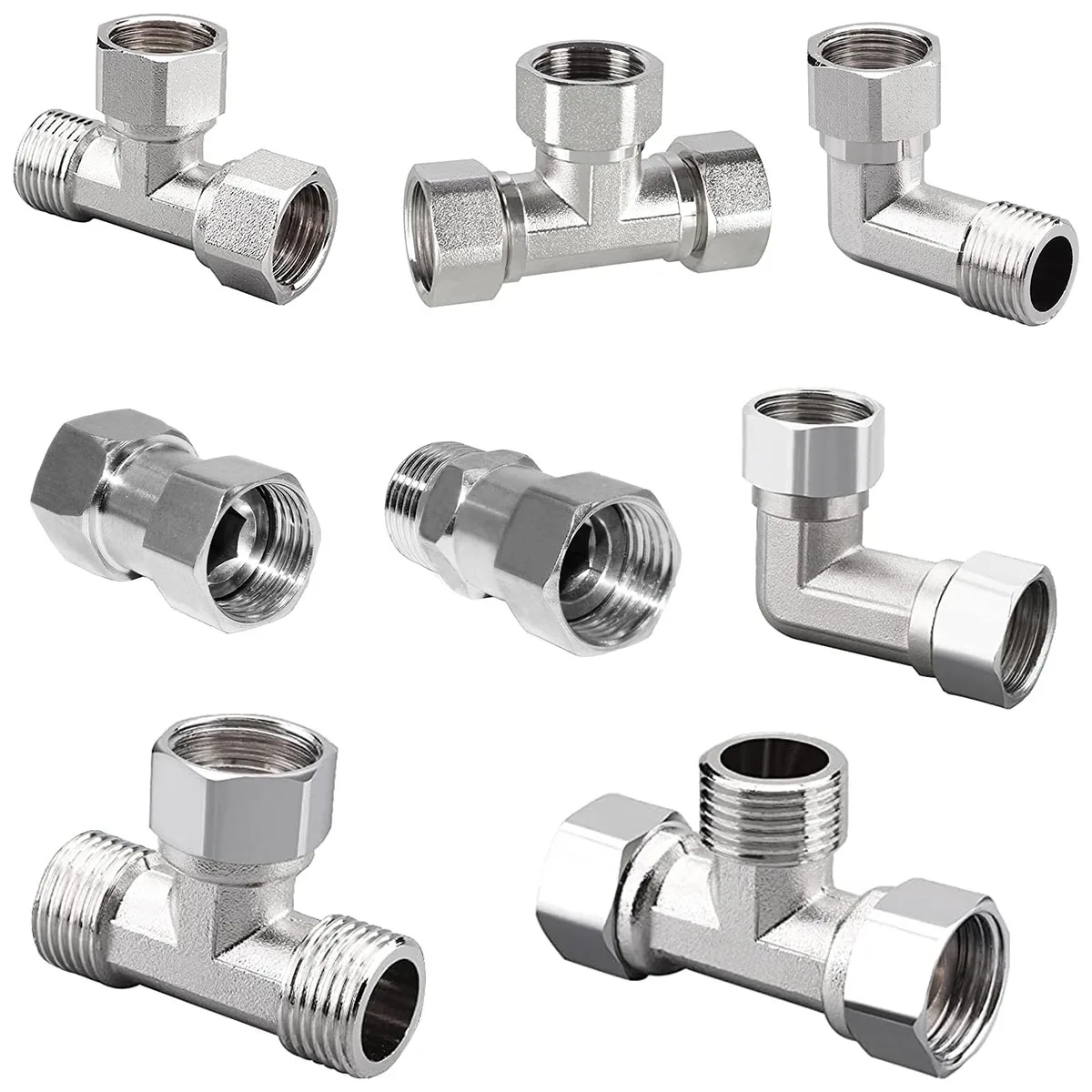
The Stainless Steel T-Adapter Diverter is a robust plumbing fitting engineered for reliable, leak-free water distribution in residential and light commercial applications. This collection of 304 stainless steel tee and elbow connectors provides a durable alternative to common brass or plastic components, ensuring longevity and resistance to corrosion in various water systems. Its design focuses on straightforward installation and secure connections, a critical factor for any plumbing professional or serious DIY enthusiast.
The visible components are constructed from 304 stainless steel. This material choice is not a mere aesthetic preference; it is a fundamental decision impacting the fitting's performance and lifespan. Stainless steel, particularly the 304 grade, offers superior resistance to rust, corrosion, and chemical degradation compared to standard brass or galvanized steel.
For plumbing systems, this means the fittings will withstand exposure to chlorinated water, hard water minerals, and even mild chemical treatments without succumbing to pitting or galvanic corrosion. This is a significant advantage in areas with aggressive water conditions, where cheaper materials often fail prematurely. A solid choice.
Unlike chrome-plated brass fittings that can chip or flake over time, exposing the underlying material to corrosion, these stainless steel components maintain their structural integrity. This translates directly into fewer leaks and reduced maintenance over the system's operational life. It's an investment in peace of mind.
The images clearly display both male and female pipe threads on these fittings. The markings "1/2 304" indicate a nominal pipe size of 1/2 inch and the material grade. While not explicitly stated as NPT (National Pipe Taper), the visual appearance strongly suggests tapered threads, which are standard for sealing in North American plumbing.
Proper thread engagement is paramount for leak-free connections. Tapered threads create a mechanical seal as they tighten, but they require a thread sealant like PTFE tape or pipe dope for a watertight connection. The precision of these threads, as implied by the clean machining, will directly influence how effectively a seal can be achieved. Don't skimp on sealant.
In contrast to straight pipe threads that rely solely on a gasket for sealing, tapered threads offer a more secure, metal-to-metal interference fit. This design minimizes the risk of leaks when installed correctly, making them a preferred choice for pressurized water lines. Always verify thread compatibility before installation to prevent cross-threading.
The product line includes various configurations: standard tees, elbows, and straight connectors, some featuring a movable nut. This movable nut design, often seen on compression fittings or union connections, allows for easier alignment during installation, particularly in tight spaces or when connecting rigid pipes.
This flexibility simplifies the installation process, reducing the frustration often associated with aligning multiple fixed fittings simultaneously. It allows for a degree of rotational adjustment before final tightening, which can be invaluable when working with existing pipe runs. A practical feature.
Compared to fixed fittings that demand precise pipe cutting and alignment, the movable nut provides a margin of error, making the job quicker and less prone to rework. This design choice reflects an understanding of real-world plumbing challenges, aiming to streamline the installation for both professionals and competent DIYers. It saves time and effort.
One of the primary frustrations in plumbing is dealing with leaks caused by inferior materials or poor design. These stainless steel fittings directly address these concerns by offering a material that resists the common causes of failure. Cheap plastic components, for instance, are notorious for cracking under pressure or degrading with exposure to hot water and chemicals.
By choosing 304 stainless steel, the risk of material failure is significantly reduced. This means fewer emergency repairs and a more reliable plumbing system overall. It's about building it right the first time. No shortcuts here.
Many generic fittings on the market are made from thin-walled, low-grade brass or zinc alloys that are prone to dezincification or stress corrosion cracking. These stainless steel alternatives provide a robust solution that stands up to the rigors of continuous water flow and pressure, ensuring a long service life. This is a critical upgrade.
The images illustrate the use of these fittings in various applications, including toilet connections and general water lines. Their 1/2-inch size is common for many household fixtures, making them suitable for diverting water to bidet sprayers, connecting water heaters, or extending existing lines.
The ability to create a 3-way diversion with the tee fittings is particularly useful for adding accessories without extensive re-piping. For example, installing a bidet attachment often requires a T-adapter at the toilet's water supply line. These fittings provide the necessary connection points cleanly and securely. Simple, effective solutions.
Unlike specialized, proprietary connectors, these standard threaded fittings offer broad compatibility with existing plumbing infrastructure. This ensures that users can integrate them into their current systems without needing custom adapters or tools, simplifying upgrades and repairs. They fit right in.
Stainless steel is inherently durable, capable of withstanding significant mechanical stress and temperature fluctuations without deforming or cracking. This makes these fittings suitable for both hot and cold water applications, maintaining their integrity across a wide range of operating conditions.
Their resistance to rust also means they are ideal for installations in damp or humid environments, such as under sinks or in utility rooms, where other metals might quickly corrode. The polished finish, while aesthetic, also contributes to a smoother surface that is less prone to mineral buildup. Clean lines, inside and out.
This level of durability far surpasses that of plastic or even some lower-grade brass fittings, which can become brittle or develop pinhole leaks over time. Investing in stainless steel ensures that the plumbing connections remain sound for decades, reducing the likelihood of costly water damage. It's a long-term play.
The slightly higher upfront cost of stainless steel fittings is quickly offset by their longevity and reliability. The phrase "install it once and never have it leak" encapsulates the core value proposition. This isn't just about saving money on future repairs; it's about avoiding the hassle and disruption that plumbing failures inevitably cause.
For a master plumber, time is money, and callbacks are costly. Using high-quality components like these stainless steel diverters minimizes the chances of post-installation issues, enhancing reputation and client satisfaction. It's about doing the job right.
Consider the total cost of ownership: the initial purchase, installation labor, and potential future repairs. By choosing these durable fittings, the long-term cost is often significantly lower than repeatedly replacing cheaper, less reliable alternatives. This is smart plumbing.
These stainless steel 3-way diverters and connectors represent a sound choice for anyone seeking to upgrade or install plumbing with an emphasis on durability and leak prevention. The 304 stainless steel construction, combined with what appears to be precise threading and practical design features like the movable nut, positions these fittings as a reliable option. They are designed to integrate seamlessly into standard 1/2-inch plumbing systems, providing a robust solution for diverting water to various fixtures. The commitment to quality materials means these components will resist corrosion and maintain their integrity for years, reducing the need for future interventions. Imagine the peace of mind knowing your connections are solid, built to last, and won't be the source of unexpected water damage. This is the kind of dependable hardware that makes a plumbing system truly resilient.
Material Integrity and Longevity
The visible components are constructed from 304 stainless steel. This material choice is not a mere aesthetic preference; it is a fundamental decision impacting the fitting's performance and lifespan. Stainless steel, particularly the 304 grade, offers superior resistance to rust, corrosion, and chemical degradation compared to standard brass or galvanized steel.
For plumbing systems, this means the fittings will withstand exposure to chlorinated water, hard water minerals, and even mild chemical treatments without succumbing to pitting or galvanic corrosion. This is a significant advantage in areas with aggressive water conditions, where cheaper materials often fail prematurely. A solid choice.
Unlike chrome-plated brass fittings that can chip or flake over time, exposing the underlying material to corrosion, these stainless steel components maintain their structural integrity. This translates directly into fewer leaks and reduced maintenance over the system's operational life. It's an investment in peace of mind.
Threading Precision and Sealing Performance
The images clearly display both male and female pipe threads on these fittings. The markings "1/2 304" indicate a nominal pipe size of 1/2 inch and the material grade. While not explicitly stated as NPT (National Pipe Taper), the visual appearance strongly suggests tapered threads, which are standard for sealing in North American plumbing.
Proper thread engagement is paramount for leak-free connections. Tapered threads create a mechanical seal as they tighten, but they require a thread sealant like PTFE tape or pipe dope for a watertight connection. The precision of these threads, as implied by the clean machining, will directly influence how effectively a seal can be achieved. Don't skimp on sealant.
In contrast to straight pipe threads that rely solely on a gasket for sealing, tapered threads offer a more secure, metal-to-metal interference fit. This design minimizes the risk of leaks when installed correctly, making them a preferred choice for pressurized water lines. Always verify thread compatibility before installation to prevent cross-threading.
Design for Versatility and Installation Ease
The product line includes various configurations: standard tees, elbows, and straight connectors, some featuring a movable nut. This movable nut design, often seen on compression fittings or union connections, allows for easier alignment during installation, particularly in tight spaces or when connecting rigid pipes.
This flexibility simplifies the installation process, reducing the frustration often associated with aligning multiple fixed fittings simultaneously. It allows for a degree of rotational adjustment before final tightening, which can be invaluable when working with existing pipe runs. A practical feature.
Compared to fixed fittings that demand precise pipe cutting and alignment, the movable nut provides a margin of error, making the job quicker and less prone to rework. This design choice reflects an understanding of real-world plumbing challenges, aiming to streamline the installation for both professionals and competent DIYers. It saves time and effort.
Avoiding Common Plumbing Pitfalls
One of the primary frustrations in plumbing is dealing with leaks caused by inferior materials or poor design. These stainless steel fittings directly address these concerns by offering a material that resists the common causes of failure. Cheap plastic components, for instance, are notorious for cracking under pressure or degrading with exposure to hot water and chemicals.
By choosing 304 stainless steel, the risk of material failure is significantly reduced. This means fewer emergency repairs and a more reliable plumbing system overall. It's about building it right the first time. No shortcuts here.
Many generic fittings on the market are made from thin-walled, low-grade brass or zinc alloys that are prone to dezincification or stress corrosion cracking. These stainless steel alternatives provide a robust solution that stands up to the rigors of continuous water flow and pressure, ensuring a long service life. This is a critical upgrade.
Application Scope and Practicality
The images illustrate the use of these fittings in various applications, including toilet connections and general water lines. Their 1/2-inch size is common for many household fixtures, making them suitable for diverting water to bidet sprayers, connecting water heaters, or extending existing lines.
The ability to create a 3-way diversion with the tee fittings is particularly useful for adding accessories without extensive re-piping. For example, installing a bidet attachment often requires a T-adapter at the toilet's water supply line. These fittings provide the necessary connection points cleanly and securely. Simple, effective solutions.
Unlike specialized, proprietary connectors, these standard threaded fittings offer broad compatibility with existing plumbing infrastructure. This ensures that users can integrate them into their current systems without needing custom adapters or tools, simplifying upgrades and repairs. They fit right in.
Durability and Resistance to Environmental Factors
Stainless steel is inherently durable, capable of withstanding significant mechanical stress and temperature fluctuations without deforming or cracking. This makes these fittings suitable for both hot and cold water applications, maintaining their integrity across a wide range of operating conditions.
Their resistance to rust also means they are ideal for installations in damp or humid environments, such as under sinks or in utility rooms, where other metals might quickly corrode. The polished finish, while aesthetic, also contributes to a smoother surface that is less prone to mineral buildup. Clean lines, inside and out.
This level of durability far surpasses that of plastic or even some lower-grade brass fittings, which can become brittle or develop pinhole leaks over time. Investing in stainless steel ensures that the plumbing connections remain sound for decades, reducing the likelihood of costly water damage. It's a long-term play.
The Value Proposition: Install Once, Forget It
The slightly higher upfront cost of stainless steel fittings is quickly offset by their longevity and reliability. The phrase "install it once and never have it leak" encapsulates the core value proposition. This isn't just about saving money on future repairs; it's about avoiding the hassle and disruption that plumbing failures inevitably cause.
For a master plumber, time is money, and callbacks are costly. Using high-quality components like these stainless steel diverters minimizes the chances of post-installation issues, enhancing reputation and client satisfaction. It's about doing the job right.
Consider the total cost of ownership: the initial purchase, installation labor, and potential future repairs. By choosing these durable fittings, the long-term cost is often significantly lower than repeatedly replacing cheaper, less reliable alternatives. This is smart plumbing.
Final Assessment
These stainless steel 3-way diverters and connectors represent a sound choice for anyone seeking to upgrade or install plumbing with an emphasis on durability and leak prevention. The 304 stainless steel construction, combined with what appears to be precise threading and practical design features like the movable nut, positions these fittings as a reliable option. They are designed to integrate seamlessly into standard 1/2-inch plumbing systems, providing a robust solution for diverting water to various fixtures. The commitment to quality materials means these components will resist corrosion and maintain their integrity for years, reducing the need for future interventions. Imagine the peace of mind knowing your connections are solid, built to last, and won't be the source of unexpected water damage. This is the kind of dependable hardware that makes a plumbing system truly resilient.