Tinned Copper DC Power Wire
Official Store Deal
Expert Analysis Overview
Conductor Integrity and Current Handling
The Tinned Copper DC Power Wire is a practical electrical conductor designed for low-voltage DC applications requiring reliable current transfer. This product is specifically aimed at automotive, motorcycle, and LED light strip power supply installations where consistent performance is paramount. Its construction and material choices indicate a focus on durability and electrical efficiency within its intended operational parameters.
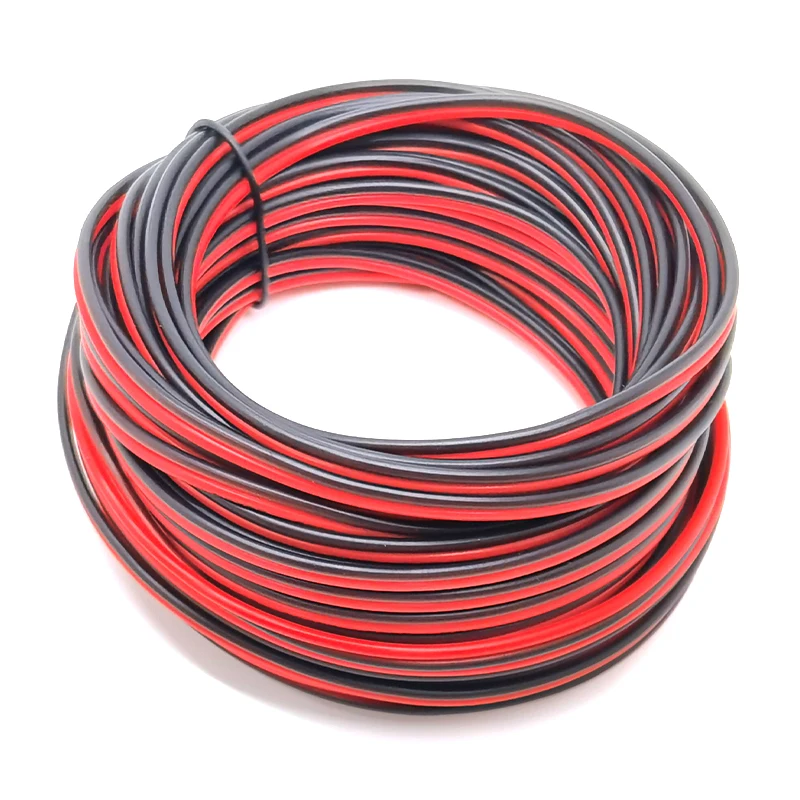
Visible product imagery displays a dual-strand wire, with various gauges ranging from 16AWG down to 30AWG. The core material is specified as tinned copper. This material choice is significant. Tinned copper conductors offer enhanced resistance to oxidation and corrosion compared to bare copper, particularly in environments exposed to moisture or fluctuating temperatures. This resistance is critical for maintaining low electrical resistance over the lifespan of the installation. The tin coating acts as a protective barrier. It prevents the copper from reacting with oxygen and sulfur, which can lead to the formation of resistive layers.
This broad range of available gauges allows for considerable versatility in low-voltage applications. Smaller gauges, such as 30AWG, are suitable for delicate signal wiring or very low-current LED applications. Larger gauges, like 16AWG, can handle more substantial current loads, making them appropriate for powering longer LED strips or certain automotive accessories. Unlike generic, untinned copper wire, which can degrade rapidly in harsh conditions, the tinned copper variant ensures sustained conductivity. This translates directly to more stable power delivery and reduced voltage drop over distance.
Insulation Resilience and Hazard Mitigation
The wire features a two-pin configuration, typically red and black, indicating polarity for DC circuits. The insulation material appears to be PVC, a common choice for general-purpose electrical wiring due to its flexibility and dielectric properties. The visible insulation thickness, particularly in the cross-section images, suggests adequate protection for the specified 300V rating.
Proper insulation is non-negotiable for electrical safety. It prevents short circuits and protects against accidental contact with live conductors. The 300V rating, while suitable for most automotive and LED applications, clearly defines the upper voltage limit for safe operation. Exceeding this rating can compromise the insulation's integrity, leading to potential electrical hazards. The flexibility of the PVC insulation is also a practical benefit, allowing for easier routing and installation in confined spaces, such as within vehicle chassis or behind trim panels. This flexibility reduces the risk of insulation cracking during installation.
Compared to rigid, less flexible insulation types, PVC offers a balance of protection and ease of use. However, users must be aware of its temperature limitations and resistance to certain chemicals. While generally robust, extreme heat or exposure to specific solvents can degrade PVC. Always verify environmental compatibility. This wire is not designed for high-temperature applications.
Performance Under Load
The stated AWG (American Wire Gauge) range is a critical indicator of the wire's current-carrying capacity. The provided specification table details the number of copper strands and the nominal sectional area for each gauge. For instance, 16AWG wire, with its larger cross-sectional area, can safely carry more current than 30AWG wire. Understanding these specifications is vital for preventing overheating and potential fire hazards.
Selecting the correct wire gauge for a given current load is a fundamental principle of electrical engineering. Undersized wire will experience excessive resistance, leading to heat generation and voltage drop. This heat can melt insulation, damage connected components, or even ignite surrounding materials. The tinned copper construction further aids performance by reducing skin effect at higher frequencies, though this is less critical for DC applications. The consistent strand count across the various gauges, as indicated in the table, suggests a standardized manufacturing process. This consistency is important for predictable performance.
Unlike installations where random, unrated wires are used, this product provides clear gauge specifications. This allows for precise calculation of current capacity based on standard electrical tables. For example, a 16AWG wire can typically handle 10-15 amps in a 12V automotive system, depending on length and ambient temperature. Always consult a wire gauge chart for specific amperage ratings. This prevents costly damage and ensures system longevity.
Durability and Installation Considerations
The visual evidence of tightly wound coils suggests good manufacturing practices, minimizing kinks and twists that could compromise wire integrity. The smooth, uniform insulation finish across the various gauges implies a consistent extrusion process. This consistency is a hallmark of quality manufacturing.
Durability in electrical wiring extends beyond just the conductor material; the outer jacket plays a significant role. A smooth, unblemished insulation surface reduces friction during installation, preventing nicks or abrasions that could expose the conductor. The two-pin parallel configuration simplifies connection, especially for polarity-sensitive devices like LEDs. This design streamlines installation. It also helps prevent accidental reverse polarity connections.
Compared to single-strand wires that require separate routing for positive and negative, this parallel twin-lead design offers convenience. It reduces installation time and effort. However, care must be taken to ensure the insulation remains intact, especially when routing through sharp edges or areas subject to vibration. Proper strain relief is always recommended. This prevents conductor fatigue at termination points.
Value Proposition and Application Versatility
This electrical wire offers a cost-effective solution for a wide array of low-voltage DC projects. Its tinned copper construction provides a significant advantage in terms of longevity and reliability, particularly in demanding environments. The availability of multiple gauges in a single product line simplifies procurement for diverse project needs.
The primary benefit of this wire lies in its ability to provide stable and safe power delivery for applications where voltage drop and corrosion are concerns. For car enthusiasts installing aftermarket lighting or truck owners adding auxiliary power, this wire minimizes the risk of intermittent power or premature component failure. The 300V rating ensures it is well within the safety margins for typical 12V or 24V vehicle systems. This provides peace of mind for installers.
Unlike cheaper, untinned alternatives that may fail prematurely due to oxidation, this tinned copper wire represents a superior long-term investment. The initial cost difference is often offset by reduced maintenance and replacement expenses. This makes it a smart choice for any project requiring reliable, durable low-voltage wiring. Imagine completing an automotive wiring project knowing the connections will remain robust for years, resisting the elements and delivering consistent power without degradation. This wire provides that assurance, allowing for confident, long-lasting electrical installations.