Tinned Copper PVC Insulated 2-Pin Electrical Wire
Official Store Deal
Expert Analysis Overview
The Tinned Copper PVC Insulated 2-Pin Electrical Wire is a fundamental conductor solution engineered for low-voltage DC applications, specifically targeting enthusiasts and professionals requiring reliable power delivery for LED strip lighting, small electronic projects, and internal equipment wiring. This wire prioritizes safety and longevity in its design.
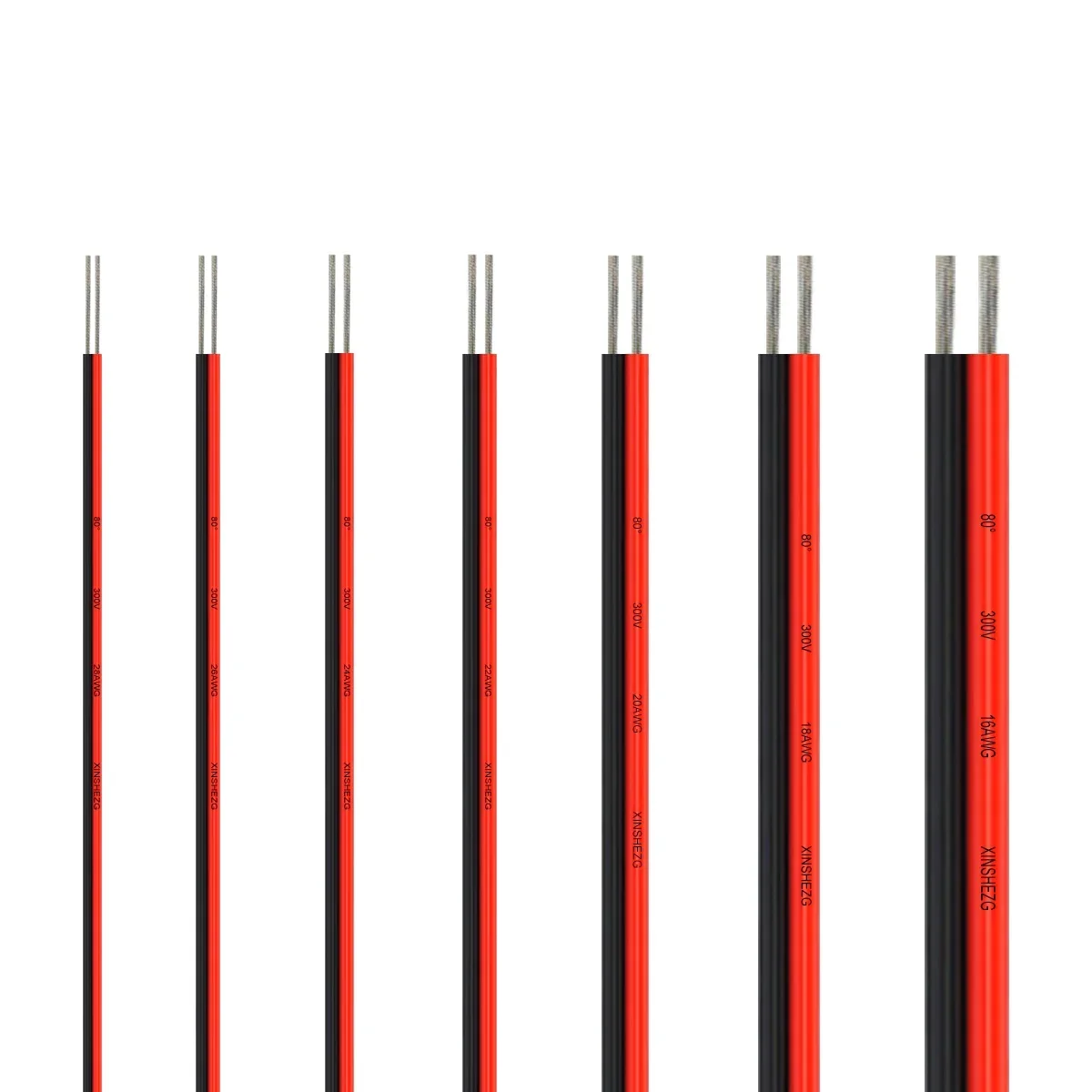
This electrical wire features tinned copper conductors, available in 18 AWG, 26 AWG, and 28 AWG options. The tinning process involves coating the copper strands with a thin layer of tin. This is a critical engineering choice.
Unlike bare copper, which is susceptible to oxidation over time, tinned copper offers significantly enhanced corrosion resistance. This resistance ensures that the wire maintains its high conductivity and low electrical resistance throughout its lifespan, preventing performance degradation and potential hot spots. Imagine a scenario where connections are exposed to humidity; tinned copper resists the green patina that can form on bare copper, preserving the integrity of the electrical path. It simply works better.
Compared to standard untinned copper wires, the tinned variant provides a superior long-term connection, particularly in environments prone to moisture or chemical exposure. This translates directly into a more stable and reliable power supply for sensitive electronic components, reducing the need for frequent maintenance or replacement.
The conductors are encased in PVC (Polyvinyl Chloride) insulation, clearly marked with red and black for polarity identification. This insulation is rated for a maximum voltage of 300V.
PVC is a widely recognized material in electrical applications due to its excellent dielectric strength, flexibility, and resistance to abrasion. The insulation maintains its integrity across an ideal working temperature range of -20°C to 70°C. This flexibility is crucial during installation, allowing the wire to be routed around corners and through conduits without cracking or compromising the protective layer. It bends easily.
While other insulation types like silicone offer higher temperature ratings, PVC provides a cost-effective and highly durable solution for the intended low-voltage applications. Its robust nature protects against accidental short circuits and ensures electrical safety, a paramount concern for any electrical installation. The tactile feel of the insulation is smooth yet firm, indicating a quality extrusion process that minimizes weak points.
Offering 18 AWG, 26 AWG, and 28 AWG options, this wire allows for precise matching of the conductor size to the specific current requirements of the load. AWG, or American Wire Gauge, is a standardized system for measuring wire diameter.
Selecting the correct wire gauge is not merely a recommendation; it is a fundamental safety requirement. Using a wire that is too thin (higher AWG number) for a given current can lead to excessive resistance, resulting in significant voltage drop and dangerous overheating. This overheating can melt insulation, cause short circuits, and potentially ignite fires. A thicker wire (lower AWG number) minimizes these risks. It carries current safely.
For instance, an 18 AWG wire is suitable for higher current LED strips or longer runs where voltage drop is a concern, while 26 AWG or 28 AWG wires are ideal for very low-power applications or intricate wiring within compact electronic devices. This range provides the flexibility to optimize both performance and safety, unlike generic single-gauge offerings that force compromises.
This wire is engineered for environmental resistance, boasting windproof, sunproof, waterproof, and snowproof properties. These characteristics are vital for installations that extend beyond controlled indoor environments.
The robust PVC insulation, combined with the oxidation-resistant tinned copper, forms a formidable barrier against external elements. This means the wire can reliably perform in outdoor lighting setups, automotive applications, or marine environments without premature degradation. Imagine an outdoor LED accent lighting system; this wire ensures consistent performance regardless of the weather. It endures the elements.
Many standard electrical wires are designed primarily for indoor use and lack these comprehensive environmental protections. The enhanced durability of this product significantly extends its lifespan in challenging conditions, reducing the frequency and cost of replacements compared to less resilient alternatives. This focus on longevity provides substantial long-term value.
The primary application for this 2-pin electrical wire is single-color LED strip lights, but its utility extends to general electrical equipment wiring and mechanical internal cable needs. Its design makes it highly adaptable for various low-power projects.
For LED strip installations, the clear red/black polarity and flexible nature simplify the connection process, ensuring proper power flow and preventing damage to the LEDs. In electronic equipment, the smaller gauges are perfect for internal connections where space is at a premium and precise routing is necessary. It fits tight spaces.
Unlike multi-conductor cables designed for complex data or multi-color LED signals, this 2-pin wire excels in its dedicated role of delivering simple positive and negative power. Its straightforward design and robust construction make it a go-to choice for reliable, dedicated power paths in a multitude of low-voltage scenarios, offering a focused solution for specific wiring challenges.
While the wire's design simplifies installation, adherence to best practices is crucial for optimal performance and safety. The 2-pin configuration requires careful attention to polarity.
Always ensure that the red wire connects to the positive terminal and the black wire to the negative terminal of both the power source and the load. Incorrect polarity, especially with LEDs, will prevent operation and could potentially damage sensitive components. Secure connections are also paramount; loose terminals can lead to intermittent power, increased resistance, and dangerous arcing. Strip the insulation cleanly.
Compared to complex wiring harnesses, this simple 2-pin setup minimizes potential points of error, but proper termination techniques remain essential. Using appropriate connectors, soldering, or crimping tools ensures a stable and durable electrical bond, maximizing the efficiency and lifespan of the entire system. This attention to detail prevents future troubleshooting headaches.
Picture your next DIY project: a custom under-cabinet LED lighting system, or perhaps a small robotics build. With this tinned copper wire, you gain the confidence of knowing your electrical connections are robust, oxidation-resistant, and capable of withstanding environmental stresses. The clear polarity markings and flexible insulation streamline the installation process, transforming what could be a tedious task into a straightforward, satisfying endeavor. This wire ensures your creations are powered reliably, day in and day out, providing consistent performance and peace of mind for years to come.
Conductor Integrity: Tinned Copper Advantage
This electrical wire features tinned copper conductors, available in 18 AWG, 26 AWG, and 28 AWG options. The tinning process involves coating the copper strands with a thin layer of tin. This is a critical engineering choice.
Unlike bare copper, which is susceptible to oxidation over time, tinned copper offers significantly enhanced corrosion resistance. This resistance ensures that the wire maintains its high conductivity and low electrical resistance throughout its lifespan, preventing performance degradation and potential hot spots. Imagine a scenario where connections are exposed to humidity; tinned copper resists the green patina that can form on bare copper, preserving the integrity of the electrical path. It simply works better.
Compared to standard untinned copper wires, the tinned variant provides a superior long-term connection, particularly in environments prone to moisture or chemical exposure. This translates directly into a more stable and reliable power supply for sensitive electronic components, reducing the need for frequent maintenance or replacement.
Insulation Resilience: PVC's Protective Shield
The conductors are encased in PVC (Polyvinyl Chloride) insulation, clearly marked with red and black for polarity identification. This insulation is rated for a maximum voltage of 300V.
PVC is a widely recognized material in electrical applications due to its excellent dielectric strength, flexibility, and resistance to abrasion. The insulation maintains its integrity across an ideal working temperature range of -20°C to 70°C. This flexibility is crucial during installation, allowing the wire to be routed around corners and through conduits without cracking or compromising the protective layer. It bends easily.
While other insulation types like silicone offer higher temperature ratings, PVC provides a cost-effective and highly durable solution for the intended low-voltage applications. Its robust nature protects against accidental short circuits and ensures electrical safety, a paramount concern for any electrical installation. The tactile feel of the insulation is smooth yet firm, indicating a quality extrusion process that minimizes weak points.
Gauge Precision: Matching Current to Conductor
Offering 18 AWG, 26 AWG, and 28 AWG options, this wire allows for precise matching of the conductor size to the specific current requirements of the load. AWG, or American Wire Gauge, is a standardized system for measuring wire diameter.
Selecting the correct wire gauge is not merely a recommendation; it is a fundamental safety requirement. Using a wire that is too thin (higher AWG number) for a given current can lead to excessive resistance, resulting in significant voltage drop and dangerous overheating. This overheating can melt insulation, cause short circuits, and potentially ignite fires. A thicker wire (lower AWG number) minimizes these risks. It carries current safely.
For instance, an 18 AWG wire is suitable for higher current LED strips or longer runs where voltage drop is a concern, while 26 AWG or 28 AWG wires are ideal for very low-power applications or intricate wiring within compact electronic devices. This range provides the flexibility to optimize both performance and safety, unlike generic single-gauge offerings that force compromises.
Environmental Fortitude: Built for Diverse Conditions
This wire is engineered for environmental resistance, boasting windproof, sunproof, waterproof, and snowproof properties. These characteristics are vital for installations that extend beyond controlled indoor environments.
The robust PVC insulation, combined with the oxidation-resistant tinned copper, forms a formidable barrier against external elements. This means the wire can reliably perform in outdoor lighting setups, automotive applications, or marine environments without premature degradation. Imagine an outdoor LED accent lighting system; this wire ensures consistent performance regardless of the weather. It endures the elements.
Many standard electrical wires are designed primarily for indoor use and lack these comprehensive environmental protections. The enhanced durability of this product significantly extends its lifespan in challenging conditions, reducing the frequency and cost of replacements compared to less resilient alternatives. This focus on longevity provides substantial long-term value.
Application Versatility: Powering Low-Voltage Systems
The primary application for this 2-pin electrical wire is single-color LED strip lights, but its utility extends to general electrical equipment wiring and mechanical internal cable needs. Its design makes it highly adaptable for various low-power projects.
For LED strip installations, the clear red/black polarity and flexible nature simplify the connection process, ensuring proper power flow and preventing damage to the LEDs. In electronic equipment, the smaller gauges are perfect for internal connections where space is at a premium and precise routing is necessary. It fits tight spaces.
Unlike multi-conductor cables designed for complex data or multi-color LED signals, this 2-pin wire excels in its dedicated role of delivering simple positive and negative power. Its straightforward design and robust construction make it a go-to choice for reliable, dedicated power paths in a multitude of low-voltage scenarios, offering a focused solution for specific wiring challenges.
Installation Considerations: Best Practices for Reliability
While the wire's design simplifies installation, adherence to best practices is crucial for optimal performance and safety. The 2-pin configuration requires careful attention to polarity.
Always ensure that the red wire connects to the positive terminal and the black wire to the negative terminal of both the power source and the load. Incorrect polarity, especially with LEDs, will prevent operation and could potentially damage sensitive components. Secure connections are also paramount; loose terminals can lead to intermittent power, increased resistance, and dangerous arcing. Strip the insulation cleanly.
Compared to complex wiring harnesses, this simple 2-pin setup minimizes potential points of error, but proper termination techniques remain essential. Using appropriate connectors, soldering, or crimping tools ensures a stable and durable electrical bond, maximizing the efficiency and lifespan of the entire system. This attention to detail prevents future troubleshooting headaches.
Picture your next DIY project: a custom under-cabinet LED lighting system, or perhaps a small robotics build. With this tinned copper wire, you gain the confidence of knowing your electrical connections are robust, oxidation-resistant, and capable of withstanding environmental stresses. The clear polarity markings and flexible insulation streamline the installation process, transforming what could be a tedious task into a straightforward, satisfying endeavor. This wire ensures your creations are powered reliably, day in and day out, providing consistent performance and peace of mind for years to come.