TLZWLA 3.5mm Audio Jack Welding Connectors (5-Pack)
Official Store Deal
Expert Analysis Overview
Precision in Audio Connectivity
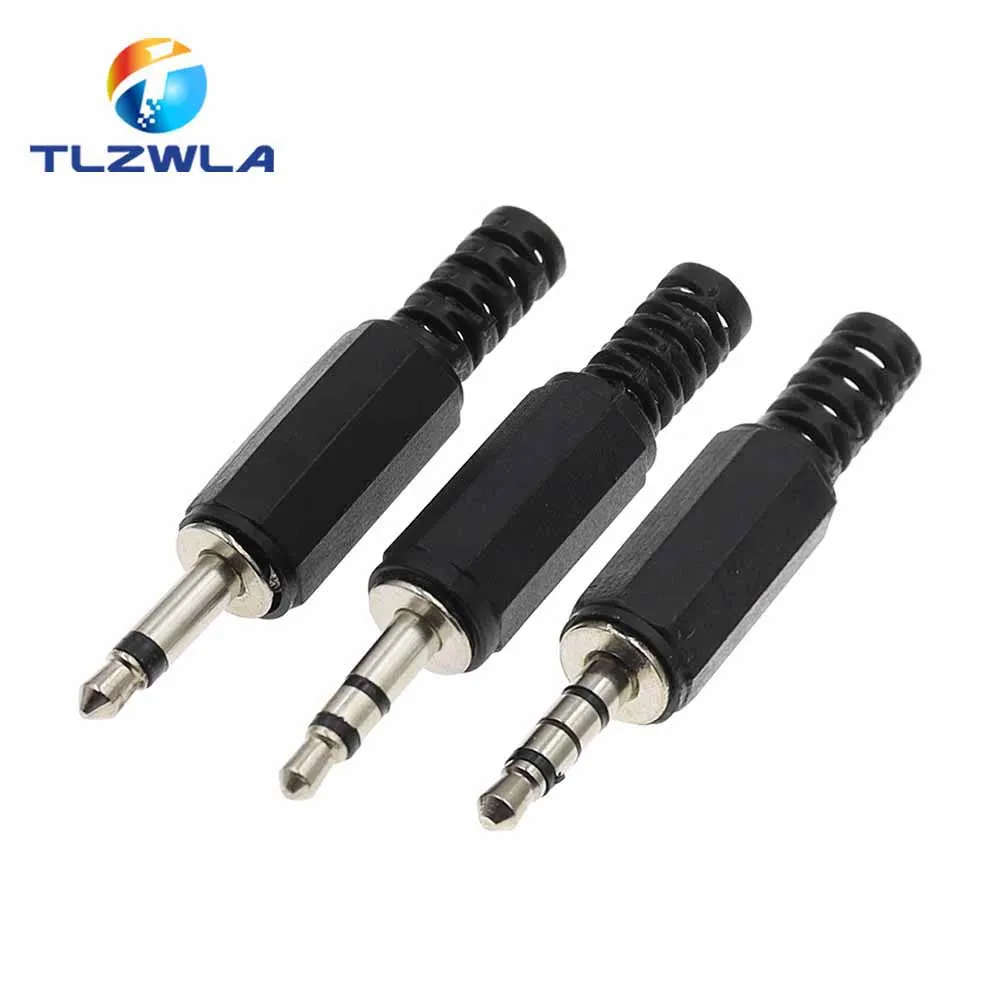
The TLZWLA 3.5mm Audio Jack Connectors are essential welding-type male plugs designed for reliable audio signal transmission in custom cable assemblies. These connectors provide a robust solution for repairing or fabricating audio cables, ensuring a secure and permanent electrical bond. The multi-section design accommodates various audio requirements, from basic mono to advanced stereo with microphone functionality. This product targets audio enthusiasts, repair technicians, and DIY electronics hobbyists who prioritize customizability and connection integrity over pre-terminated solutions.Unlike many generic, flimsy connectors that rely on crimping or simple friction, these welding-type plugs demand a direct solder connection. This method, when executed correctly, creates an electrically superior and mechanically stronger joint. The visible black plastic housing appears durable, offering protection for the internal connections. Its hexagonal body facilitates easy gripping during assembly and disassembly, a small but significant ergonomic detail.
For any electrical component, the quality of the connection directly impacts performance and safety. These connectors, by requiring soldering, inherently push the user towards a more professional and stable connection. A properly soldered joint minimizes resistance, reduces signal loss, and prevents intermittent connections. This ensures consistent audio quality, a critical factor for any audio application. The design supports long-term functionality.
The Anatomy of Signal Integrity
These 3.5mm male plugs are available in 2-section (TS), 3-section (TRS), and 4-section (TRRS) configurations. Each configuration serves a distinct purpose in audio signal routing. A 2-section connector handles mono audio, providing a single audio channel and a ground. This is ideal for basic instrument cables or older mono headphone jacks. The visible metal pins are precisely machined.Moving to the 3-section TRS (Tip-Ring-Sleeve) variant, this is the standard for stereo audio, offering left and right audio channels plus a common ground. This configuration is ubiquitous for headphones and auxiliary input cables. The distinct segments on the metal shaft are clearly visible, indicating their separate electrical paths. Proper insulation between these sections is paramount for preventing crosstalk and short circuits, which would degrade audio fidelity.
The 4-section TRRS connector expands functionality by adding an additional contact, typically used for a microphone input or inline remote controls found on modern headsets. This versatility makes these connectors suitable for a wide array of contemporary audio devices. Each segment must be correctly wired to its corresponding function to ensure full compatibility and operation. The precision of these small contacts is crucial for reliable performance across all intended functions.
Durability Through Design
The black plastic housing of these connectors features a ribbed tail section, which serves as a strain relief mechanism. This design element is critical for protecting the soldered wire connections from bending and pulling forces. Without adequate strain relief, repeated flexing of the cable near the connector can lead to wire fatigue, insulation damage, and eventual connection failure. This small detail significantly extends cable lifespan.Material selection for the housing is important. While specific plastic composition is not detailed, the matte black finish and robust appearance suggest a resilient polymer. Such materials are chosen for their electrical insulation properties and mechanical strength. They must withstand typical handling and environmental stresses without cracking or degrading. A strong housing protects the delicate internal solder points.
Compared to connectors with flimsy or non-existent strain relief, these TLZWLA plugs offer a clear advantage in terms of longevity. The integrated strain relief helps to distribute stress evenly across the cable, preventing sharp bends at the critical connection point. This design choice minimizes the need for frequent repairs or replacements, offering better long-term value. It is a practical consideration for any frequently handled cable.
The Art of the Solder Joint
The welding-type designation means these connectors require soldering for installation. This method provides the most secure and electrically sound connection possible for audio cables. Proper soldering involves heating the wire and the connector terminal to the correct temperature, then applying solder to create a strong metallurgical bond. This process ensures minimal resistance and maximum signal transfer.For electricians and hobbyists, understanding the correct wire gauge for audio applications is essential. While these connectors are universal for 3.5mm jacks, the internal terminals are designed to accommodate specific wire sizes. Using an inappropriately thick or thin wire can lead to difficulties in soldering, poor mechanical strength, or even overheating if high currents were involved (though less common in audio). Always match the wire to the terminal.
Ensuring safety standard compliance during assembly is paramount. Improper soldering can lead to cold joints, which are mechanically weak and electrically unreliable. Worse, stray strands of wire or excessive solder can create short circuits, potentially damaging connected equipment or, in rare cases, posing a fire hazard. Adequate insulation, proper heat management, and careful inspection are non-negotiable steps. A clean, shiny solder joint is the goal.
Versatility Across Audio Ecosystems
These 3.5mm connectors are incredibly versatile, finding applications across a vast array of audio equipment. They are suitable for repairing or building custom cables for headphones, earbuds, microphones, car auxiliary inputs, portable speakers, and various other consumer electronics. Their availability in 2, 3, and 4-section configurations ensures compatibility with almost any standard 3.5mm audio port. This broad utility makes them a staple for any electronics workbench.Consider a scenario where a favorite pair of headphones has a damaged plug. Instead of discarding the entire unit, these connectors allow for a cost-effective and environmentally friendly repair. The ability to choose the specific section count (TS, TRS, TRRS) means the repaired cable will retain its original functionality, whether it's just stereo audio or includes microphone and control capabilities. This extends the life of valuable audio gear.
Compared to proprietary connectors or those requiring specialized tools, the 3.5mm jack remains a universal standard. Its widespread adoption means these welding-type plugs are a practical investment for anyone dealing with audio equipment. They offer the flexibility to create custom cable lengths, adapt existing cables, or replace damaged plugs with a high-quality, user-assembled alternative. This adaptability is a significant advantage in a diverse audio landscape.
Economic Efficiency in Bulk
Offered in a 5-piece pack, these connectors represent significant economic efficiency for users who require multiple units. Purchasing in bulk reduces the per-unit cost, making it a more budget-friendly option for ongoing projects or stocking a repair kit. This approach prevents the inconvenience and higher cost of buying single connectors as needs arise. It is a smart procurement strategy.For professionals who frequently repair audio equipment or build custom cables, having a supply of these connectors on hand minimizes downtime. It eliminates the wait for new parts to arrive, allowing for quicker project completion and improved service delivery. The value proposition extends beyond just the initial purchase price to include time savings and operational efficiency. This is a practical consideration for any busy technician.
This bulk offering contrasts sharply with the higher prices often associated with pre-made, off-the-shelf cables, especially those with specific lengths or configurations. By assembling cables with these welding-type connectors, users gain control over cable quality, length, and specific wiring. The initial investment in these connectors and basic soldering equipment quickly pays for itself through savings on replacement cables and the satisfaction of custom work. It is a cost-effective approach to audio cabling.
Imagine the satisfaction of restoring a beloved pair of headphones or crafting a custom audio cable perfectly tailored to your setup, knowing each connection is robust and reliable. These TLZWLA 3.5mm connectors empower you to achieve professional-grade audio connections, ensuring crystal-clear sound and lasting durability for all your projects. Your audio experience will be consistently excellent, free from the frustrations of intermittent signals or fragile connections. This is the foundation for superior sound.