Universal 2-Pin Power Cable: US/EU Plug to C7/C8 Figure-8 Connector
Official Store Deal
Expert Analysis Overview
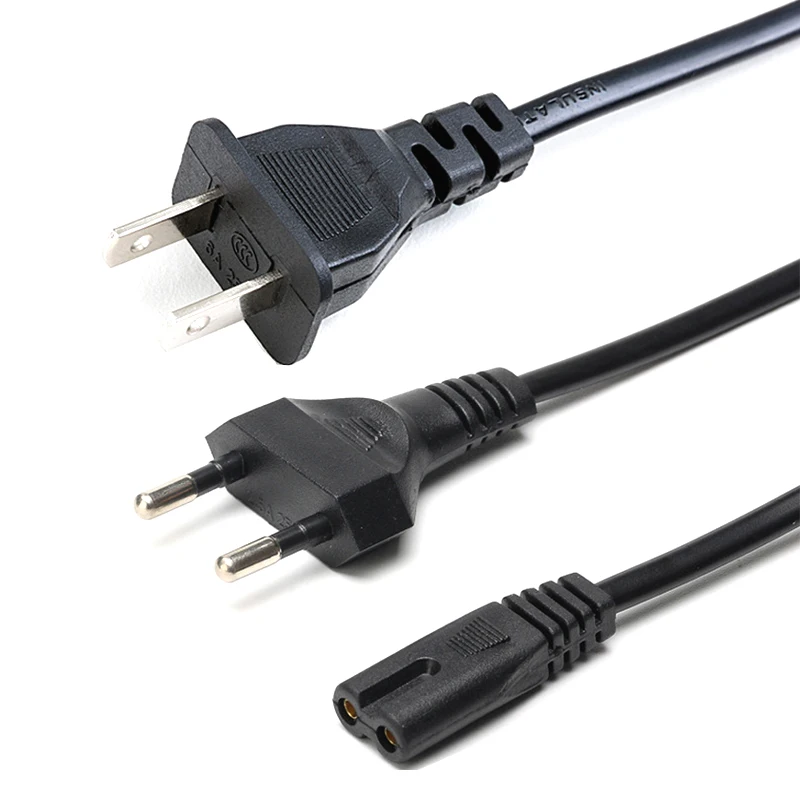
The Universal 2-Pin Power Cable: US/EU Plug to C7/C8 Figure-8 Connector is a critically functional electrical accessory designed for seamless power transmission to a range of low-to-medium power electronics. This product addresses the common user frustration of incompatible power standards and flimsy stock cables. It offers a standardized, compliant solution for devices requiring a non-grounded connection. The visible construction implies a focus on fundamental electrical safety and broad utility. This cable serves as a direct replacement or extension for numerous consumer electronics. Its design prioritizes straightforward functionality.
The visible construction of these power cables features molded PVC insulation and integrated strain relief at both the plug and connector ends. This design choice is crucial for maintaining the cable's structural integrity. The outer jacket appears smooth and consistent, indicating a uniform extrusion process. Polyvinyl chloride (PVC) is a widely used material in cable manufacturing due to its excellent insulating properties and resistance to abrasion. This material choice is standard for consumer electronics.
This robust molding directly impacts the cable's longevity and operational safety. Strain relief prevents the internal conductors from bending sharply or breaking where the cable meets the connector housing. Such damage is a common point of failure in lesser-quality cables, leading to intermittent power or, more critically, exposed wiring. A secure connection is paramount. The integrity of these connection points is vital for preventing electrical shorts and ensuring consistent power delivery to the connected device.
Unlike generic, uncertified cables that often exhibit weak points at the cable-to-connector junction, this product's molded design minimizes mechanical stress. This approach significantly reduces the risk of internal wire fatigue and potential short circuits over time. It is a fundamental aspect of electrical safety. This engineering choice enhances the cable's lifespan and reduces the likelihood of hazardous electrical failures.
These cables are offered with two distinct input plug configurations: the US Type A/B 2-pin flat blade plug and the EU Type C/F 2-round pin plug. Both variants terminate in a standard IEC C7 figure-8 connector. This dual-standard approach provides essential versatility. The C7 connector is a non-polarized, two-conductor appliance coupler commonly found on devices like laptop power bricks, game consoles (e.g., PS4), and various audio/video equipment.
The inclusion of both US and EU plug types means users can power their C7-compatible devices across major international electrical grids without the need for additional travel adapters. This simplifies device setup for travelers or those with imported electronics. The C7 connector is widely adopted. For instance, if a user travels from Europe to the United States, they can simply swap the power cord to match the local outlet, maintaining device functionality.
Compared to single-region power cords, which limit device portability or necessitate bulky, often unreliable plug adapters, these cables offer a streamlined solution. This design choice directly addresses the inconvenience of managing multiple power accessories. It enhances user convenience significantly. The ability to use a single cable type for multiple regions reduces clutter and simplifies international device usage.
The cables are designed as 2-pin, non-grounded power cords, suitable for devices that do not require an earth connection for safe operation. While the specific wire gauge is not explicitly stated, the visible cable diameter suggests a standard gauge appropriate for low-to-medium current applications, typically rated for up to 2.5 Amperes. This is a critical specification for electrical safety.
Proper wire gauge selection is fundamental to preventing electrical hazards. An appropriately sized conductor ensures that the cable can safely carry the intended current load without excessive heat buildup. Overheating can degrade insulation, leading to short circuits or, in severe cases, electrical fires. The cable's insulation appears robust. An undersized wire gauge for a given current can cause the cable to become a fire hazard.
Unlike cables with insufficient or unknown wire gauges, which pose a significant risk of thermal overload, this product's apparent construction aligns with typical safety expectations for C7 applications. Users must always verify device power draw against the cable's rating. This prevents dangerous situations. Adherence to established wire gauge standards is a cornerstone of safe electrical practice.
The availability of these power cables in 0.6-meter and 1.5-meter lengths provides practical options for various installation scenarios. Both black and white color options are visible, offering aesthetic flexibility. The cable's flexibility appears adequate for routing, allowing for neat installation around furniture or within entertainment centers.
Choosing the correct cable length can significantly improve workspace organization and safety. A shorter 0.6-meter cable minimizes clutter for devices positioned close to an outlet, such as a desktop monitor or a small media player. The longer 1.5-meter option extends reach for devices further from power sources, like a gaming console under a desk or a projector mounted on a ceiling. This optimizes setup efficiency.
Unlike fixed-length cables that often result in excessive slack or insufficient reach, these length options allow for tailored power solutions. This prevents unsightly cable tangles and reduces trip hazards. The choice of color also aids in blending with different device aesthetics, contributing to a cleaner, more professional appearance in any setting.
The product's straightforward design and standardized components contribute to its cost-effectiveness as a replacement or extension cable. The visible quality of the molded connectors and insulation suggests a reasonable expectation of durability. This represents a sound investment. The use of common materials and manufacturing techniques allows for an accessible price point without compromising essential functionality.
Investing in a reliable power cable, even for seemingly minor components, offers long-term value. A well-constructed cable reduces the likelihood of premature failure, which can lead to costly device downtime or the need for frequent replacements. This approach minimizes recurring expenses. The initial outlay for a quality cable is often recouped through its extended service life and consistent performance.
Compared to continually replacing flimsy, uncertified cables that degrade quickly, this product offers a more durable alternative. The initial purchase price is offset by its extended service life and consistent performance. This translates to better long-term value. Users avoid the frustration and expense associated with unreliable power accessories.
The metal pins on both the US and EU plugs, as well as the internal contacts of the C7 connector, appear to be constructed from standard conductive materials, likely brass or a copper alloy. The pins exhibit a smooth finish, suggesting proper manufacturing processes. Good terminal quality is essential for electrical safety and performance.
High-quality terminals ensure a secure and low-resistance electrical connection. Poorly manufactured pins can lead to loose fits, arcing, and increased resistance, generating heat at the connection point. This heat can damage both the cable and the device's power input, potentially causing device malfunction or fire. A tight fit is critical for maintaining electrical continuity and minimizing energy loss.
Unlike cables with rough or improperly sized pins that can degrade outlet contacts or cause intermittent power, these terminals appear designed for consistent contact. This attention to detail contributes directly to the overall safety and reliability of the power delivery system. It prevents connection issues. The quality of the metal contacts directly influences the efficiency and safety of power transmission.
While specific UL (Underwriters Laboratories) or CE (Conformité Européenne) markings are not explicitly visible in all images, the product's description as "American European" implies adherence to regional electrical safety standards. The PVC insulation is a common material for consumer-grade power cords. Compliance is a key factor for consumer safety.
Appropriate insulation ratings are vital for user safety and preventing electrical hazards. Insulation protects users from direct contact with live conductors and prevents short circuits between wires. Cables meeting recognized standards like UL or CE have undergone rigorous testing to ensure they meet specific safety and performance criteria. This ensures safe operation under normal conditions.
Unlike uncertified cables that may use substandard insulation materials or thicknesses, potentially leading to breakdown and shock hazards, a product designed for US and EU markets typically adheres to minimum safety requirements. Users should always look for explicit certification marks when possible. This provides peace of mind, confirming the cable has been tested for electrical safety.
The typical application for C7/C8 connectors, such as laptops, PS4 consoles, and LED lights, indicates a design for low to moderate amperage loads, generally up to 2.5 Amperes. This current capacity is sufficient for the specified devices. Understanding the maximum permissible load is important for safe operation.
Matching the cable's amperage rating to the device's power draw is non-negotiable for electrical safety. Using a cable rated for lower amperage than the device requires can cause the cable to overheat, melt its insulation, and potentially ignite. This is a serious fire risk. Always consult the power requirements of the device to ensure compatibility with the cable's specifications.
Compared to heavy-duty power cords designed for high-current appliances, these cables are specifically tailored for their intended electronic devices. This ensures efficient power delivery without over-engineering or under-specifying the cable. It is a balanced design. This targeted design prevents unnecessary bulk while maintaining adequate safety margins for its intended use.
The durable construction, including molded connectors and PVC insulation, suggests a long operational lifespan under normal use conditions. Minimal maintenance is typically required for such cables. Proper handling extends life significantly.
Regular inspection for physical damage, such as cuts, abrasions, or kinks, is the primary maintenance task. Keeping the cable free from excessive tension or sharp bends will prevent internal wire damage, particularly near the connectors. Storing cables neatly, rather than in tangled knots, also contributes to their longevity by preventing stress on the conductors. This preserves functionality.
Unlike cables made with brittle plastics or poorly secured connectors that fail prematurely, this product's design aims for sustained performance. Adhering to simple care practices ensures the cable remains a reliable power conduit for years. This avoids frequent replacements and maintains a safe electrical environment.
These power cables are primarily designed for indoor use in typical residential or office environments. The materials and construction do not indicate suitability for harsh outdoor conditions or industrial settings. Environmental context matters for cable integrity and safety.
Indoor use implies protection from direct sunlight, extreme temperatures, and moisture, all of which can degrade cable insulation and compromise electrical safety. Exposure to these elements can accelerate material breakdown, leading to potential hazards like insulation cracking or water ingress. Dry conditions are ideal for these cables.
Unlike specialized outdoor-rated cables that feature UV-resistant jackets and enhanced waterproofing, these standard power cords are not engineered for such demanding environments. Using them outside their intended environment could lead to premature failure and safety risks. This is a critical distinction that users must observe to ensure safe operation.
Imagine a streamlined setup where every device receives consistent, safe power, free from the clutter of adapters or the worry of unreliable connections. With these universal 2-pin power cables, devices like your laptop, PS4, or LED lighting integrate effortlessly into any US or EU power grid. Experience the confidence of compliant electrical accessories. Your workspace remains organized, and your electronics operate without interruption. This is the peace of mind that comes with a well-chosen power solution.
The Foundation of Connectivity
The visible construction of these power cables features molded PVC insulation and integrated strain relief at both the plug and connector ends. This design choice is crucial for maintaining the cable's structural integrity. The outer jacket appears smooth and consistent, indicating a uniform extrusion process. Polyvinyl chloride (PVC) is a widely used material in cable manufacturing due to its excellent insulating properties and resistance to abrasion. This material choice is standard for consumer electronics.
This robust molding directly impacts the cable's longevity and operational safety. Strain relief prevents the internal conductors from bending sharply or breaking where the cable meets the connector housing. Such damage is a common point of failure in lesser-quality cables, leading to intermittent power or, more critically, exposed wiring. A secure connection is paramount. The integrity of these connection points is vital for preventing electrical shorts and ensuring consistent power delivery to the connected device.
Unlike generic, uncertified cables that often exhibit weak points at the cable-to-connector junction, this product's molded design minimizes mechanical stress. This approach significantly reduces the risk of internal wire fatigue and potential short circuits over time. It is a fundamental aspect of electrical safety. This engineering choice enhances the cable's lifespan and reduces the likelihood of hazardous electrical failures.
Universal Power Integration
These cables are offered with two distinct input plug configurations: the US Type A/B 2-pin flat blade plug and the EU Type C/F 2-round pin plug. Both variants terminate in a standard IEC C7 figure-8 connector. This dual-standard approach provides essential versatility. The C7 connector is a non-polarized, two-conductor appliance coupler commonly found on devices like laptop power bricks, game consoles (e.g., PS4), and various audio/video equipment.
The inclusion of both US and EU plug types means users can power their C7-compatible devices across major international electrical grids without the need for additional travel adapters. This simplifies device setup for travelers or those with imported electronics. The C7 connector is widely adopted. For instance, if a user travels from Europe to the United States, they can simply swap the power cord to match the local outlet, maintaining device functionality.
Compared to single-region power cords, which limit device portability or necessitate bulky, often unreliable plug adapters, these cables offer a streamlined solution. This design choice directly addresses the inconvenience of managing multiple power accessories. It enhances user convenience significantly. The ability to use a single cable type for multiple regions reduces clutter and simplifies international device usage.
Electrical Integrity and Safety Protocols
The cables are designed as 2-pin, non-grounded power cords, suitable for devices that do not require an earth connection for safe operation. While the specific wire gauge is not explicitly stated, the visible cable diameter suggests a standard gauge appropriate for low-to-medium current applications, typically rated for up to 2.5 Amperes. This is a critical specification for electrical safety.
Proper wire gauge selection is fundamental to preventing electrical hazards. An appropriately sized conductor ensures that the cable can safely carry the intended current load without excessive heat buildup. Overheating can degrade insulation, leading to short circuits or, in severe cases, electrical fires. The cable's insulation appears robust. An undersized wire gauge for a given current can cause the cable to become a fire hazard.
Unlike cables with insufficient or unknown wire gauges, which pose a significant risk of thermal overload, this product's apparent construction aligns with typical safety expectations for C7 applications. Users must always verify device power draw against the cable's rating. This prevents dangerous situations. Adherence to established wire gauge standards is a cornerstone of safe electrical practice.
Practical Deployment and Ergonomics
The availability of these power cables in 0.6-meter and 1.5-meter lengths provides practical options for various installation scenarios. Both black and white color options are visible, offering aesthetic flexibility. The cable's flexibility appears adequate for routing, allowing for neat installation around furniture or within entertainment centers.
Choosing the correct cable length can significantly improve workspace organization and safety. A shorter 0.6-meter cable minimizes clutter for devices positioned close to an outlet, such as a desktop monitor or a small media player. The longer 1.5-meter option extends reach for devices further from power sources, like a gaming console under a desk or a projector mounted on a ceiling. This optimizes setup efficiency.
Unlike fixed-length cables that often result in excessive slack or insufficient reach, these length options allow for tailored power solutions. This prevents unsightly cable tangles and reduces trip hazards. The choice of color also aids in blending with different device aesthetics, contributing to a cleaner, more professional appearance in any setting.
The Value Proposition in Power Delivery
The product's straightforward design and standardized components contribute to its cost-effectiveness as a replacement or extension cable. The visible quality of the molded connectors and insulation suggests a reasonable expectation of durability. This represents a sound investment. The use of common materials and manufacturing techniques allows for an accessible price point without compromising essential functionality.
Investing in a reliable power cable, even for seemingly minor components, offers long-term value. A well-constructed cable reduces the likelihood of premature failure, which can lead to costly device downtime or the need for frequent replacements. This approach minimizes recurring expenses. The initial outlay for a quality cable is often recouped through its extended service life and consistent performance.
Compared to continually replacing flimsy, uncertified cables that degrade quickly, this product offers a more durable alternative. The initial purchase price is offset by its extended service life and consistent performance. This translates to better long-term value. Users avoid the frustration and expense associated with unreliable power accessories.
Terminal Quality and Connection Integrity
The metal pins on both the US and EU plugs, as well as the internal contacts of the C7 connector, appear to be constructed from standard conductive materials, likely brass or a copper alloy. The pins exhibit a smooth finish, suggesting proper manufacturing processes. Good terminal quality is essential for electrical safety and performance.
High-quality terminals ensure a secure and low-resistance electrical connection. Poorly manufactured pins can lead to loose fits, arcing, and increased resistance, generating heat at the connection point. This heat can damage both the cable and the device's power input, potentially causing device malfunction or fire. A tight fit is critical for maintaining electrical continuity and minimizing energy loss.
Unlike cables with rough or improperly sized pins that can degrade outlet contacts or cause intermittent power, these terminals appear designed for consistent contact. This attention to detail contributes directly to the overall safety and reliability of the power delivery system. It prevents connection issues. The quality of the metal contacts directly influences the efficiency and safety of power transmission.
Insulation Ratings and Compliance
While specific UL (Underwriters Laboratories) or CE (Conformité Européenne) markings are not explicitly visible in all images, the product's description as "American European" implies adherence to regional electrical safety standards. The PVC insulation is a common material for consumer-grade power cords. Compliance is a key factor for consumer safety.
Appropriate insulation ratings are vital for user safety and preventing electrical hazards. Insulation protects users from direct contact with live conductors and prevents short circuits between wires. Cables meeting recognized standards like UL or CE have undergone rigorous testing to ensure they meet specific safety and performance criteria. This ensures safe operation under normal conditions.
Unlike uncertified cables that may use substandard insulation materials or thicknesses, potentially leading to breakdown and shock hazards, a product designed for US and EU markets typically adheres to minimum safety requirements. Users should always look for explicit certification marks when possible. This provides peace of mind, confirming the cable has been tested for electrical safety.
Amperage Load and Device Suitability
The typical application for C7/C8 connectors, such as laptops, PS4 consoles, and LED lights, indicates a design for low to moderate amperage loads, generally up to 2.5 Amperes. This current capacity is sufficient for the specified devices. Understanding the maximum permissible load is important for safe operation.
Matching the cable's amperage rating to the device's power draw is non-negotiable for electrical safety. Using a cable rated for lower amperage than the device requires can cause the cable to overheat, melt its insulation, and potentially ignite. This is a serious fire risk. Always consult the power requirements of the device to ensure compatibility with the cable's specifications.
Compared to heavy-duty power cords designed for high-current appliances, these cables are specifically tailored for their intended electronic devices. This ensures efficient power delivery without over-engineering or under-specifying the cable. It is a balanced design. This targeted design prevents unnecessary bulk while maintaining adequate safety margins for its intended use.
Longevity and Maintenance Considerations
The durable construction, including molded connectors and PVC insulation, suggests a long operational lifespan under normal use conditions. Minimal maintenance is typically required for such cables. Proper handling extends life significantly.
Regular inspection for physical damage, such as cuts, abrasions, or kinks, is the primary maintenance task. Keeping the cable free from excessive tension or sharp bends will prevent internal wire damage, particularly near the connectors. Storing cables neatly, rather than in tangled knots, also contributes to their longevity by preventing stress on the conductors. This preserves functionality.
Unlike cables made with brittle plastics or poorly secured connectors that fail prematurely, this product's design aims for sustained performance. Adhering to simple care practices ensures the cable remains a reliable power conduit for years. This avoids frequent replacements and maintains a safe electrical environment.
Environmental Adaptability
These power cables are primarily designed for indoor use in typical residential or office environments. The materials and construction do not indicate suitability for harsh outdoor conditions or industrial settings. Environmental context matters for cable integrity and safety.
Indoor use implies protection from direct sunlight, extreme temperatures, and moisture, all of which can degrade cable insulation and compromise electrical safety. Exposure to these elements can accelerate material breakdown, leading to potential hazards like insulation cracking or water ingress. Dry conditions are ideal for these cables.
Unlike specialized outdoor-rated cables that feature UV-resistant jackets and enhanced waterproofing, these standard power cords are not engineered for such demanding environments. Using them outside their intended environment could lead to premature failure and safety risks. This is a critical distinction that users must observe to ensure safe operation.
Imagine a streamlined setup where every device receives consistent, safe power, free from the clutter of adapters or the worry of unreliable connections. With these universal 2-pin power cables, devices like your laptop, PS4, or LED lighting integrate effortlessly into any US or EU power grid. Experience the confidence of compliant electrical accessories. Your workspace remains organized, and your electronics operate without interruption. This is the peace of mind that comes with a well-chosen power solution.