Wallpad Wood Modular EU Switches and Sockets
Official Store Deal
Expert Analysis Overview
The Architectural Interface of Organic Living
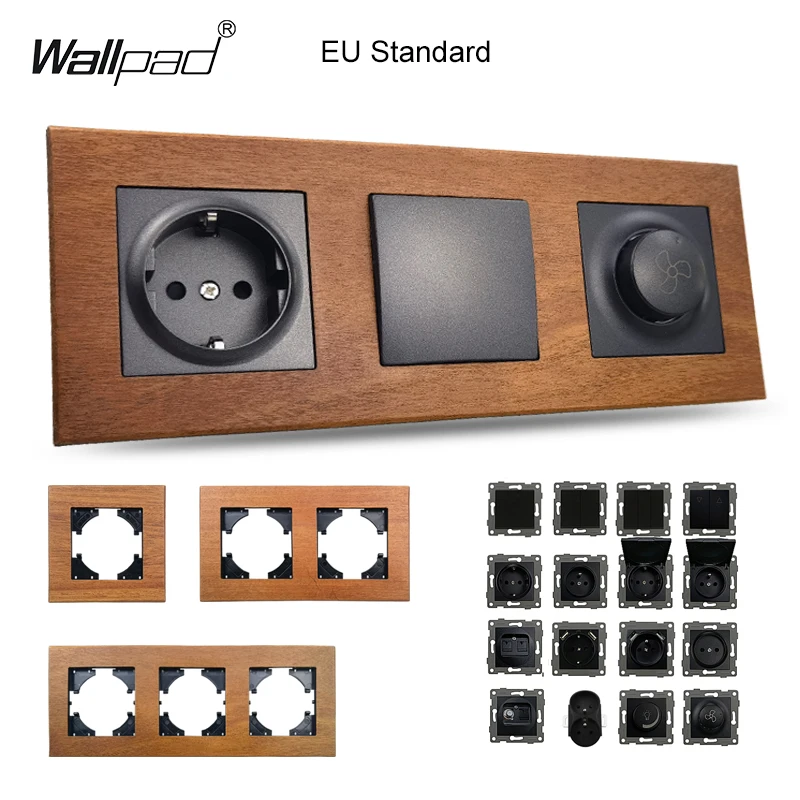
Wallpad Wood Wall Panels represent a sophisticated architectural solution for homeowners seeking to reconcile organic interior design with modern electrical infrastructure. The standard white plastic switch remains a persistent eyesore in high-end renovations. Plastic feels cheap. These modular panels replace that sterile aesthetic with genuine walnut and oak textures. This isn't just a cover; it's a structural upgrade for the room's tactile experience. Natural fibers offer warmth. The matte black modules provide a sharp, industrial contrast that grounds the visual weight of the wood. This combination ensures that the technology powering a home doesn't clash with the furniture surrounding it.
Material Integrity and Visual Weight
Every panel is unique. Natural wood grain varies significantly. This ensures that no two rooms look identical. Unlike printed 'wood-look' plastics, these panels possess a tangible grain depth that interacts with ambient light. The beveled edges catch shadows. This creates a three-dimensional presence on the wall. The finish is smooth but retains the porous character of the source material. It feels premium. The weight of the assembly suggests durability. When pressed, the wood doesn't flex against the drywall. This rigidity is essential for a high-traffic interface.
The Modular Architecture Advantage
Standardization meets customization here. The frame and the internal components are sold separately. This is efficient. Users can configure a single triple-gang panel to house a Schuko socket, a light switch, and a USB-C fast charger. This eliminates wall clutter. One panel does everything. The interior modules are built from fireproof polycarbonate. Safety comes first. The mounting bracket uses reinforced steel. It stays level. Because the system follows the 86mm EU standard, it drops into existing round European back boxes without modification. Choice is yours.
Power Delivery for the Smart Hub
Modern homes demand high-speed power. The integrated Type-A and Type-C USB modules provide fast-charging capabilities for smartphones and tablets. No more bulky adapters. The power conversion happens behind the wall. These modules are designed for heat dissipation. Safety remains the priority. The sockets themselves include child-safety shutters. These prevent accidental contact. The French and Schuko variants provide a secure, grounded connection for high-draw appliances like espresso machines or home theater setups. It works flawlessly. The mechanical switches provide a crisp, audible click. Tactile feedback is satisfying.
Integration into the Voice-Controlled Ecosystem
While the frames are passive, they are the ideal housing for smart modules. Voice control enthusiasts often hide 'in-wall' smart relays like Shelly or Sonoff behind the physical switch. This setup is ideal. The wood panel allows for the classic physical toggle while the hidden electronics handle the voice commands through Alexa or Google Home. It blends old and new. The matte black keys don't show fingerprints. This keeps the 'smart' interface looking clean after repeated manual use. Aesthetics stay sharp. The panel serves as the physical endpoint for a sophisticated digital network.
Installation Logistics and Precision
Precision matters during setup. The internal depth required for the USB modules is roughly 35mm. Check your boxes. Standard EU round boxes are generally compatible, but shallow boxes may require spacers. The screw alignment is standard. Levelling is straightforward. Because the wood is natural, it is sensitive to extreme humidity. Avoid bathroom steam. The modules snap into the frame with a secure locking mechanism. They don't wiggle. Once installed, the frame sits flush against the wall. No gaps exist. This creates a seamless transition between the electrical Hardware and the wall surface.
Long-Term Value and Sustainability
Replacing plastic with wood is a sustainable choice. Plastics degrade and yellow. Wood ages gracefully. A walnut panel looks better after five years than a white plastic one. The modules are replaceable. If a USB port fails or standards change, only the center module needs swapping. The wood frame stays. This reduces electronic waste. It saves money. The initial cost is higher than generic alternatives, but the lifespan of the aesthetic is significantly longer. It's an investment.
Detailed Aesthetic Variations
Wallpad offers several wood species. Walnut is dark. Oak is light. The Zebra wood option provides a bold, striped pattern for modern accents. Each species responds differently to the room's lighting. Darker woods hide the black module seams more effectively. Lighter woods highlight the contrast. The grain density affects the feel. Tight grains feel harder. Open grains feel more textured. This variety allows for precise color matching with flooring or cabinetry. Style is personal.
Imagine walking into a room where the walls feel alive. Instead of cold, sterile white plastic, the fingertips brush across warm walnut grain to toggle the evening ambiance. The smart home disappears into the decor, leaving only comfort and control. The integration of high-speed charging and reliable power sockets into a single, organic panel transforms a utility into a design statement. Every interaction with the home's lighting becomes a tactile reminder of quality. The hardware finally matches the vision.