ZigBee Smart Vibration Sensor
Official Store Deal
Expert Analysis Overview
Intelligent Home Vigilance with Voice Integration
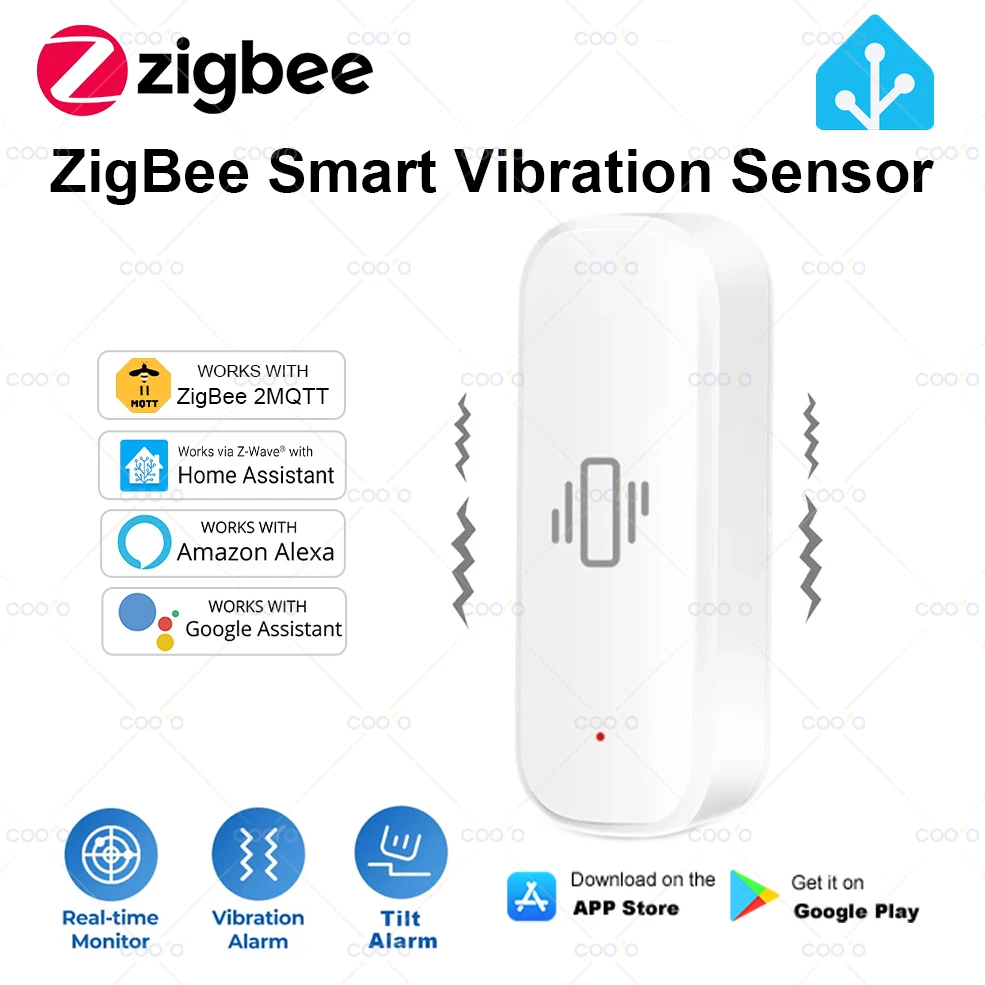
The ZigBee Smart Vibration Sensor is a pragmatic security accessory engineered for homeowners prioritizing seamless smart home integration and comprehensive motion detection. This device is not merely a sensor; it is a critical component for those building an interconnected smart ecosystem, particularly users invested in voice-controlled environments like Amazon Alexa or Google Assistant. Its compact form factor belies a robust detection suite, including vibration, tilt, and drop monitoring, providing a multi-layered security approach that traditional contact sensors often miss. It offers enhanced situational awareness.
Core Connectivity: The ZigBee Advantage
The sensor operates on the ZigBee protocol, a deliberate choice for smart home devices. ZigBee provides a mesh network, which means each device can relay signals, extending the network's reach and enhancing reliability. This is crucial for maintaining consistent communication across a larger home. Battery life often extends significantly with ZigBee compared to Wi-Fi alternatives. This saves time on replacements.
Unlike Wi-Fi devices that can bog down a router, ZigBee uses a separate, low-power network. This dedicated communication path minimizes latency for critical alerts. The sensor needs a Tuya ZigBee hub to function properly, a common requirement for many ZigBee-based devices. This hub acts as the bridge between the ZigBee network and your home's Wi-Fi, enabling internet connectivity and app control.
Such a setup ensures that even if your internet temporarily drops, local ZigBee commands can still execute. Your home remains secure. The reliance on a hub, however, means an additional hardware purchase if one is not already present. This is a common trade-off for the stability and efficiency of ZigBee.
Multi-Dimensional Detection Capabilities
This sensor excels in its ability to detect more than just simple open/close states. It monitors for vibration, tilt, and drops. A vibration alarm, for instance, triggers when a window is tampered with, even if it is not fully opened. This provides an early warning. Imagine a scenario where a burglar attempts to pry open a window; the sensor immediately picks up on the force and sends an alert. The system reacts quickly.
Tilt detection is particularly useful for objects that should remain static. Placing the sensor on a valuable art piece or a safe ensures any unauthorized movement triggers an alert. A sudden shift in position. This adds a layer of protection beyond basic motion detection. Drop detection, while seemingly niche, can be invaluable for monitoring specific items, such as a medicine cabinet or a valuable tool that should not be removed from its designated spot without notification. These nuanced detection methods provide superior security coverage compared to older, simpler magnetic contact sensors.
Seamless Smart Home Ecosystem Integration
The ZigBee Smart Vibration Sensor is designed with broad compatibility in mind, a critical factor for any voice control fanatic. It explicitly states support for ZigBee2MQTT, Home Assistant, Amazon Alexa, and Google Assistant. This extensive compatibility means the sensor can be integrated into a wide array of smart home setups. Your preferred ecosystem is likely supported.
For users of Home Assistant, the ZigBee2MQTT integration offers granular control and automation possibilities. This allows for complex routines triggered by the sensor's alerts. You can link the vibration detection to turn on lights, activate a siren, or even send a notification to a smart display. Voice control integration is particularly compelling. Imagine saying, "Alexa, what's the status of the front door?" and receiving an update on any recent vibrations or tilts. This hands-free monitoring is incredibly convenient.
While voice control offers immense convenience, the responsiveness can sometimes depend on the specific hub and network conditions. A well-optimized ZigBee network generally provides low latency. However, expect a slight delay between the physical event, sensor detection, hub processing, cloud relay, and finally, the voice assistant response. This delay is typically minimal, often under a second. This makes it practical for security alerts. The ability to set up routines, such as having Google Assistant announce, "Warning: vibration detected at the garage door," immediately brings the power of automation to your security. Eliminating the need to check an app constantly. This is the essence of a truly smart home.
Customization and Alert Management
One of the sensor's standout features is its customizable sensitivity settings. The accompanying app allows users to adjust the sensitivity from 1 to 18, offering fine-tuned control over when an alert is triggered. This is a significant advantage. A lower sensitivity might be ideal for a busy door in a high-traffic area, preventing nuisance alerts from everyday knocks. A higher sensitivity, conversely, would be perfect for a secure safe or a window that should not be touched. This prevents false alarms.
Remote alarm capabilities mean you receive instant notifications on your smartphone, no matter where you are. This ensures constant vigilance. Whether you're at work or on vacation, an attempted break-in or unauthorized movement of a protected item sends an immediate push notification. The sensor also includes a low battery reminder, a practical feature that prevents unexpected security gaps. The app clearly displays the battery level and sends a notification when it's time for a replacement. This proactive alert system is a small detail that makes a big difference in maintaining continuous security.
Data Logging and Historical Records
The ability to view history records is a functional aspect often overlooked. The sensor automatically saves message notifications, allowing users to easily review all past